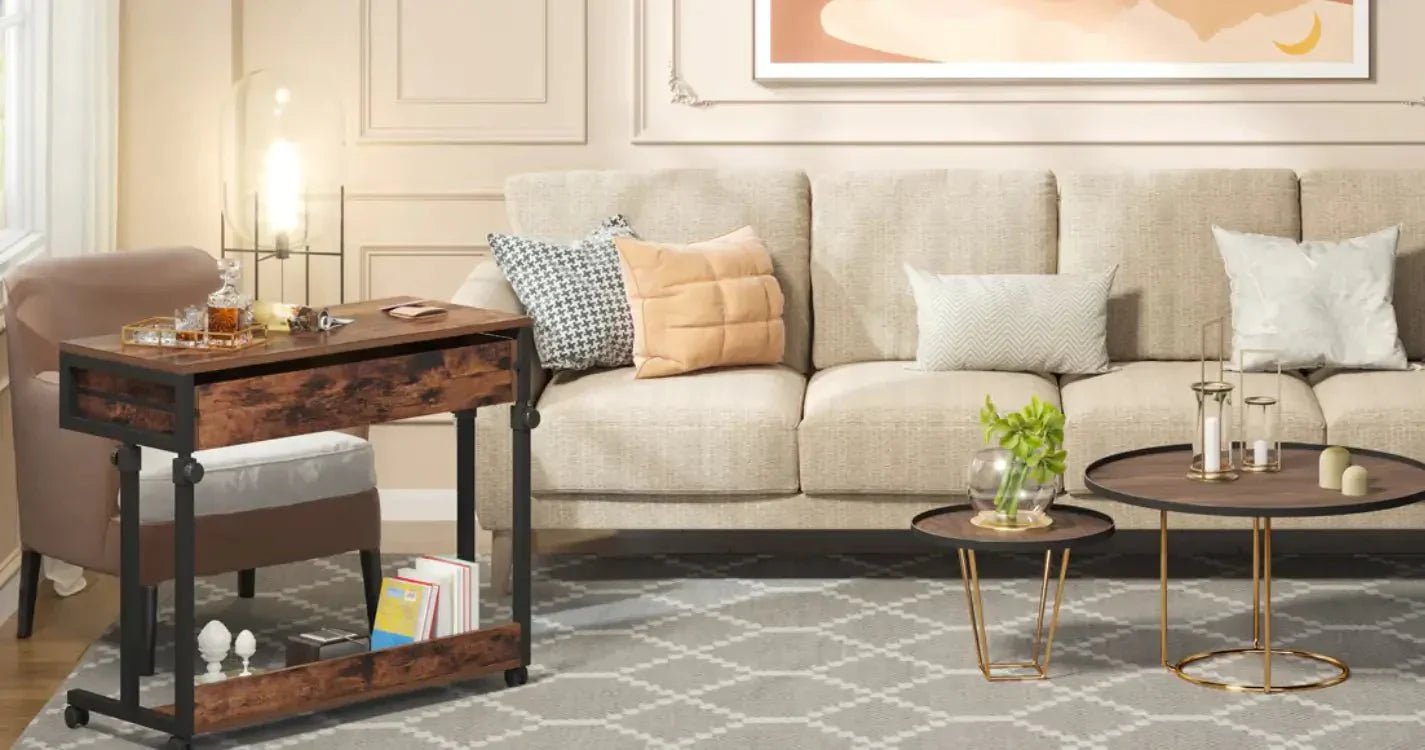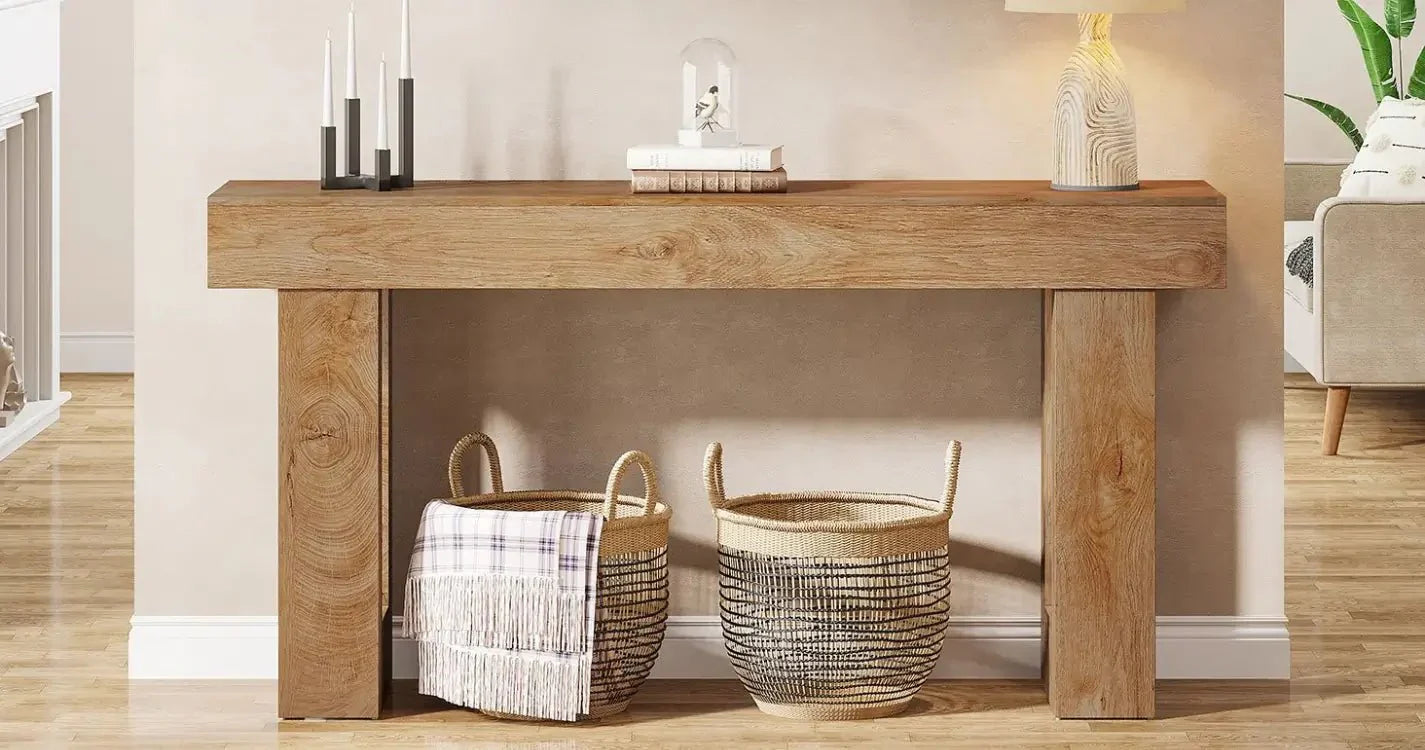


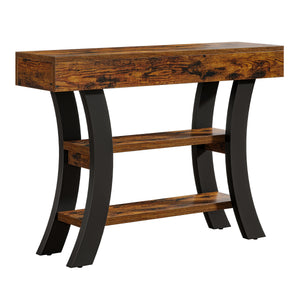
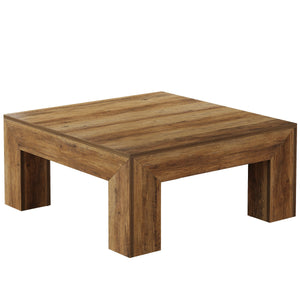
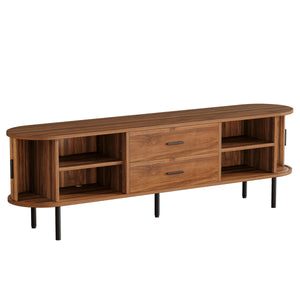
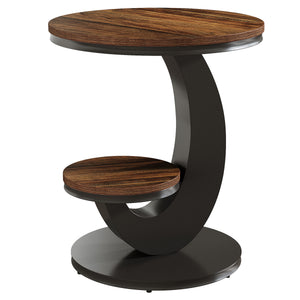

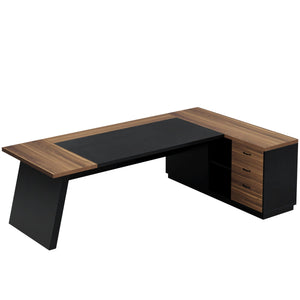
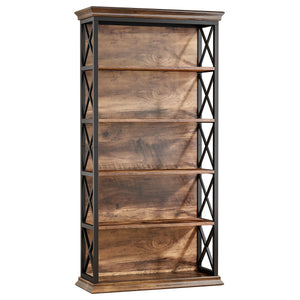

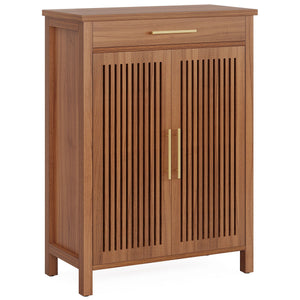

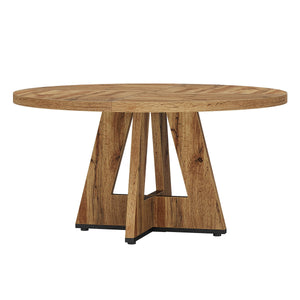
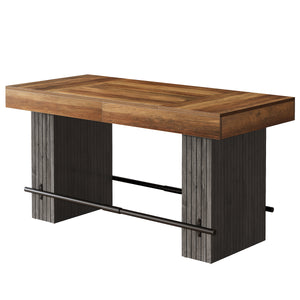
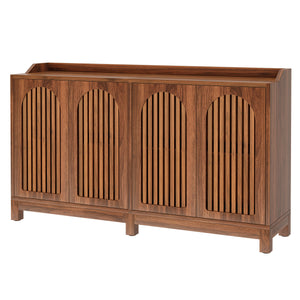
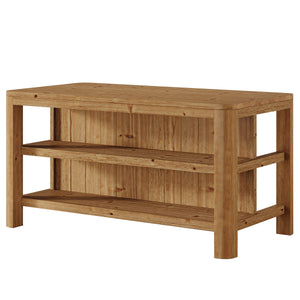
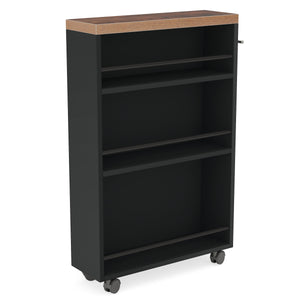
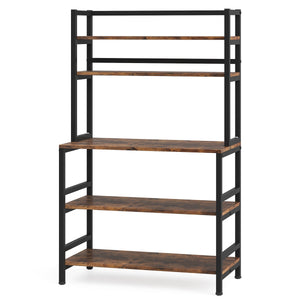

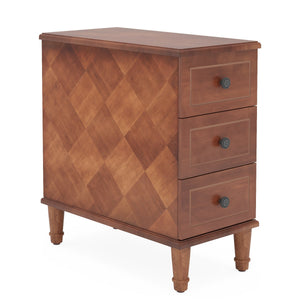
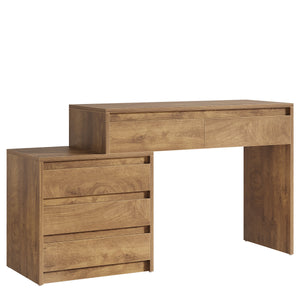
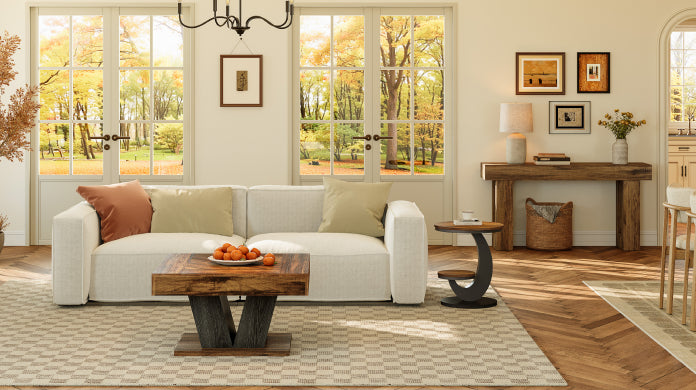




When selecting the shape of your end table, the key is understanding the visual anchor points in your living room. If your main sofa is a large L-shaped sectional, a bold, complicated table design might overwhelm the space and add unnecessary clutter. On the other hand, if you have a statement accent chair, an irregularly shaped side table with sculptural qualities can instantly transform the corner into a piece of art.
Table of Contents
Shape of End Table
The shape of your end table isn't just a matter of function; it also plays a critical role in your living room's overall aesthetic. From round and oval to square, rectangular, C-shaped, and nesting sets, each design offers something different—whether it’s maximizing space, enhancing a modern vibe, or creating a stylish focal point.

Round & Oval End Tables
Round tables are the quiet achievers of the living room. Their soft edges provide a gentle contrast to the sharper lines of furniture, making them perfect for smaller spaces or tighter layouts. A round table promotes a sense of openness, allowing for better movement in the room. It pairs effortlessly with most seating arrangements, without taking up too much visual space. Oval tables bring a similar fluidity, but with a slightly elongated shape that can work well in spaces that need to balance proportions.
Square & Rectangular End Tables
Square tables bring structure and symmetry into your space, offering a more traditional and formal design. They provide generous surface area, making them perfect for larger items like lamps, books, or decorative pieces. The clean, geometric shape of square or rectangular tables complements modern and contemporary interiors, creating a sense of order and balance. If your space feels a little too freeform or casual, a square or rectangular table might be the grounding piece it needs.
C-Shaped End Tables
If you're after both form and function, the C-shaped end table is a modern marvel. Its sleek, minimalist design slides right over the arm of your sofa or chair, giving you easy access to drinks, snacks, or your favorite gadgets—without taking up any valuable floor space. Perfect for apartments, modern living rooms, or those with a penchant for simple elegance, C-shaped tables deliver a lot of impact in a small footprint.
Nesting Sets
Nesting tables are the ultimate chameleon of your living room. Typically consisting of two or three smaller tables at varying heights, these sets add layers of depth and dimension to your space. When not in use, they stack neatly for a tidy, streamlined look. But when you need extra surface area for guests or family gatherings, simply separate them to create a more flexible layout. Whether used together or individually, nesting tables can adapt to your social needs and enhance the functionality of your space.
Round vs. Square: Which One Works Best for Your Space?
When it comes to choosing between a round or square end table, it’s all about the vibe you're going for and how your living room is laid out. The shape you pick can completely change the feel of your space, whether you’re looking to keep things airy and open or structured and balanced.

Round End Tables
Round tables are your go-to for creating a relaxed, inviting atmosphere. Their soft curves eliminate sharp edges, making them a perfect fit for smaller spaces or layouts where the flow of movement is key. With no corners to navigate, round tables create a sense of openness, making them ideal for more dynamic room arrangements, like circular or semi-circular seating areas.
Ideal for:
- Smaller rooms or spaces where you want to maintain an easy flow of movement.
- Circular or semi-circular seating setups, as they help complete the look while maintaining a light, open feel.
Square End Tables
On the other hand, square tables bring structure and order to your space. Their sharp, clean lines are perfect for creating symmetry, especially in larger or more formal rooms. Square tables provide plenty of surface area, making them functional for holding larger items or showing off decor. They work well with sectional sofas or rooms that need a bit more grounding.
Ideal for:
- Larger rooms with more structured seating arrangements.
- Spaces where you want to create balance and symmetry while still offering plenty of surface area for storage or styling.
C-Shaped and Nesting Tables
C-shaped tables are designed with a unique shape that allows them to easily slide over the arm of your sofa or chair. This feature makes them incredibly convenient for placing drinks, snacks, or books right at your fingertips without taking up too much space. With their sleek and compact design, C-shaped tables are an excellent fit for modern, minimalist interiors. They provide functionality and style in one small package, perfect for homes that need both practicality and aesthetics.
Ideal for:
- Small living rooms or spaces where every inch matters.
- Modern, minimalist spaces where sleek, space-saving furniture is essential.
Nesting Tables
Nesting tables offer ultimate versatility. Typically consisting of two or three smaller tables, these sets can be stacked together for a clean, organized look or spread out for extra surface area when needed. Whether you’re hosting a get-together or just need more room to work, these tables are flexible enough to adapt to any situation. And when they’re not in use, they stack neatly away, maintaining a tidy and uncluttered space.
Ideal for:
- Homes that need flexible furniture for different occasions.
- Spaces where you want to keep things clean and organized without sacrificing functionality.

How to Match Your Table Shape with Your Seating?
When picking an end table, many people focus solely on the style, ignoring the real "chemistry" it should have with the sofa. The trick to a perfect match isn't about coordinating everything to be the same—it's about compensating for what your sofa might be missing.
For Massive Sectionals
Got a big, heavy L-shaped or U-shaped sectional? Chances are your living room is already packed with sharp lines and 90-degree angles. Pushing a square end table into the mix could create a visual traffic jam. Enter the round or oval table—your secret weapon for breaking up the monotony. The gentle curves of a round table work like a visual lubricant, easing the tension of the sofa’s rigid lines. It’s what designers call a "visual breathing space"—and it’s the perfect way to introduce flow and airiness into a corner that might otherwise feel cramped.
For Low-Profile Modern Sofas
If you love the sleek, minimalist look of Italian-inspired or 2026’s trending low-profile sofas, your living room might be feeling just a little too... flat. While these low-slung pieces look gorgeous, they can make the space feel like it's sinking into the ground. This is where you need a rectangular or square table with some serious angles to act as a visual anchor. Think matte black or rich walnut wood—strong, solid lines that keep everything grounded. These pieces add weight to the space, preventing it from looking like a pile of pillows and cushions with no structure.
For Accent Chairs
Accent chairs aren’t just pieces of furniture—they’re the soul of the room. The end table you pair with them shouldn’t just be a place to set down your coffee; it should be another sculptural element that enhances the chair’s design. Try pairing an accent chair with a C-shaped table or an irregularly shaped table that “interlocks” visually with the chair. This kind of asymmetric overlap creates powerful texture friction—turning a quiet corner into an art installation where light and shadows play across the space.
The 2-Inch Rule
Forget about stressing over shape—if the height is off, your table will look cheap, no matter how beautiful it is. Here’s the golden rule: your end table should always be 1-2 inches lower than your sofa’s armrest. That tiny difference creates the perfect light and shadow reflection while ensuring that when you reach for something, the curve of your arm follows the most ergonomic, natural path. It’s the perfect little adjustment that makes everything feel just right.

Colors and Materials to Watch
The colors and materials of your end table can set the tone for your living room. Here’s how to choose the right ones:
- Wood: Warm and natural. Darker woods can contrast with neutral tones, while lighter woods fit perfectly in minimalist or Scandinavian settings.
- Metal: Sleek and industrial. Their clean lines and sturdy structure make them a great choice for urban or industrial-inspired spaces.
- Glass: Light and open. With minimal visual weight, they work well in smaller rooms, helping the space feel larger and lighter.
|
Color |
Mood/Effect |
Best Used In |
|
Neutral |
Timeless, calming, versatile |
Any space, pairs well with other colors |
|
Navy, Emerald |
Adds richness, depth, and a luxurious feel |
Accent pieces, focal points |
|
Brass/Gold |
Adds warmth, elegance, and a touch of glam |
Accent details, modern and classic spaces |
Read more: How To Pair Side Tables With Sofas?
Frequently Asked Questions
What Size Should My End Table Be?
Your end table should generally be about the same height as the arm of your sofa or chair. As for width, aim for a table that’s at least one-third of the length of your seating. For smaller spaces, go for a more compact design.

Should I Match My End Table with My Coffee Table?
While matching is not a strict rule, it’s best to keep a sense of harmony between the two. If you have a modern coffee table, a contemporary end table will usually complement it better than a rustic one. You don’t need them to be identical, but they should feel like they belong in the same room.
Can I Use a Nesting Table in a Small Space?
Yes, nesting tables are excellent for small spaces. You can use them when you need extra surface area and tuck them away when not in use, keeping your room feeling less cluttered.
Are There Any Tips For Choosing an End Table with Kids or Pets in Mind?
When choosing an end table for a family room, consider materials that are easy to clean, such as wood or metal, and avoid glass tables with sharp edges. Look for tables that are sturdy and won't easily tip over.