









A dining room should feel open, balanced, and inviting. Yet many homes experience the opposite: a space that feels cramped, visually heavy, and difficult to move through comfortably. Interestingly, this issue is rarely caused by room size alone.
In most cases, a crowded dining room is the result of poor furniture choices, mismatched proportions, and inefficient layout planning.
This guide breaks down the real reasons your dining room feels crowded and provides practical, design-driven solutions using modern furniture strategies, including table shape, seating optimization, and flexible storage.
Understanding Why Dining Rooms Feel Crowded
Before fixing the problem, it’s important to understand the root causes.
Oversized furniture in small circulation spaces
Many dining rooms feel tight because the furniture scale does not match the room dimensions. A large rectangular table in a narrow space reduces walking clearance.
Too many visual barriers
High-back chairs, bulky benches, and heavy wood finishes create visual “weight,” making rooms feel smaller than they are.
Lack of flexible furniture
Fixed seating arrangements reduce adaptability, especially in multi-use dining areas.
Table Shape Has the Biggest Impact on Space Perception
The shape of your dining table directly affects movement flow and visual openness.
Round vs Circular Tables
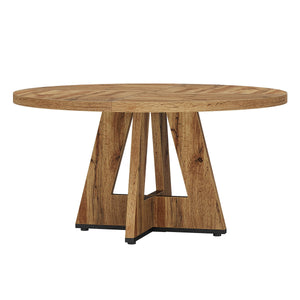
A circular walnut dining table is often more space-efficient because it eliminates sharp corners and improves circulation. A round walnut dining table also encourages better social interaction and reduces blocked pathways in tight spaces.

Material and Structural Influence
A solid wood round kitchen table adds durability and warmth, but may feel visually heavier if not balanced with lighter seating. A solid wood round dining table for 4 is ideal for compact families, especially in apartments or open-plan layouts.
Expandable Tables for Flexibility
A square dining table with a leaf provides adaptability but can become bulky when extended.
Seating Choices That Make or Break Space Efficiency
Seating is often the most overlooked cause of crowding.
Bench Seating vs Chairs
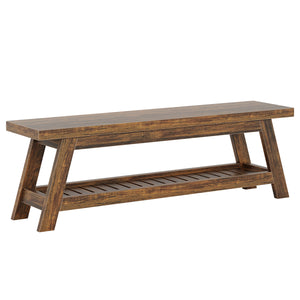
A dining room bench with a high back can reduce the number of individual chairs needed, but it introduces vertical mass. A kitchen table bench with back provides comfort, but should be used carefully in narrow rooms.
Foldable Seating Solutions
Flexible seating dramatically improves spatial efficiency: Foldable dining chairs, foldable dining room chairs, foldable wooden table and chairs. These options allow dynamic adjustment depending on daily vs guest use.
Dining Table Size vs Room Balance (Data Comparison Table)
Below is a practical comparison showing how different dining setups affect spatial efficiency:
|
Furniture Type |
Ideal Room Size |
Seating Capacity |
Space Efficiency |
Visual Impact |
|
circular walnut dining table |
Small–Medium |
2–4 |
High |
Light |
|
round walnut dining table |
Small–Medium |
4–6 |
High |
Balanced |
|
solid wood round kitchen table |
Medium |
4 |
Medium |
Moderate |
|
solid wood round dining table for 4 |
Small Apartment |
4 |
Very High |
Clean |
|
round marble dining table for 4 |
Medium–Large |
4 |
Medium |
Heavy |
|
square dining table with leaf |
Medium–Large |
4–8 |
Flexible |
Variable |
|
foldable dining chairs |
Any |
Variable |
Very High |
Minimal |
|
foldable wooden table and chairs |
Small Space |
2–4 |
Very High |
Minimal |
Layout Problems That Make Dining Rooms Feel Smaller
Even good furniture becomes problematic in poor layouts.
Poor clearance space
An ideal walking space should be: Minimum: 90cm, comfortable: 120cm.
Wall placement mistakes
Pushing large tables against walls reduces flow and increases crowding perception.
Overloading the room with storage
Too many cabinets or decorative elements reduce usable space.
The Role of Material and Visual Weight
Material selection strongly affects perceived space.
Solid wood = warm but heavy visually
Marble = elegant but dense
Light finishes = more spacious feeling
A round marble dining table for 4 can become a visual centerpiece, but it should be balanced with a minimal seating design.
How to Fix a Crowded Dining Room (Step-by-Step Guide)
Step 1: Replace sharp-edged furniture. Switch to circular or round table shapes.
Step 2: Reduce seating density. Use benches or foldable chairs.
Step 3: Introduce flexible furniture. Use extendable or foldable systems.
Step 4: Improve spacing. Ensure at least 90–120 cm clearance.
Step 5: Simplify visual weight. Avoid overly heavy materials in small rooms.
Ideal Furniture Combinations for Different Room Types
Small Apartment Setup
Solid wood round dining table for 4, foldable dining chairs, minimal decor.
Medium Dining Room Setup
Round walnut dining table, kitchen table, bench with back, and optional foldable chairs.
Large Dining Room Setup
Square dining table with leaf, dining room bench with high back, and solid wood accents.

FAQ (Frequently Asked Questions)
1. Why does my dining room feel so crowded?
Most often due to oversized furniture, poor spacing, and visually heavy materials like solid wood or marble dominating the space.
2. What dining table shape saves the most space?
A circular or round dining table is generally the most space-efficient because it removes corners and improves circulation.
3. Are round dining tables better for small rooms?
Yes. A round walnut dining table or a solid wood round dining table for 4 works especially well in compact spaces.
4. What chairs are best for small dining rooms?
Foldable dining chairs or lightweight seating options are best because they reduce visual and physical clutter.
5. Is a bench better than chairs?
A kitchen table bench with back can save space along walls, but should be used carefully to avoid adding bulk.
6. What size dining table is best for a family of four?
A solid wood round dining table for 4 is ideal because it balances comfort and space efficiency.
7. How do I make my dining room look bigger?
Use round tables, foldable seating, lighter materials, and maintain a clear walking space of at least 90 cm.
A crowded dining room is rarely a space issue—it is a design issue. By choosing smarter furniture such as a circular walnut dining table, foldable dining chairs, or a solid wood round kitchen table, you can dramatically improve both functionality and visual openness.
The key is not buying smaller furniture, but choosing more flexible and spatially intelligent designs.