













What Is a Salad Spinner?
A salad spinner is a kitchen tool designed to wash and dry leafy greens.
Most salad spinners have three basic parts:
|
Part |
What It Does |
|
Outer bowl |
Holds water during washing and catches water during spinning |
|
Inner basket |
Holds the greens and works like a colander |
|
Lid and spinning mechanism |
Spins the basket to remove excess water |
Some salad spinners use a push button. Some use a pull cord. Others use a hand crank. Commercial models are often manual crank spinners because they are simple, durable, and easy to control during high-volume prep.
The idea is the same across styles: the basket spins quickly, and the water is forced off the leaves.
Why Use a Salad Spinner?
A salad spinner is not just for convenience. It changes the texture of your greens.
Wet lettuce waters down dressing. It also gets limp faster in the fridge. Dry lettuce stays lighter, crisper, and easier to use for salads, sandwiches, wraps, burgers, tacos, and meal prep bowls.
Use a salad spinner when you want to:
- Remove dirt and grit from leafy greens
- Dry lettuce quickly after washing
- Help salad dressing cling to the leaves
- Prep greens ahead of time
- Reduce paper towel use
- Wash herbs, berries, cabbage, and other delicate produce
It is especially useful for lettuce with folds and layers, such as romaine, butter lettuce, green leaf lettuce, kale, and spinach.

How to Use a Salad Spinner Step by Step?
This method works for most salad spinners, including manual, pump, pull-cord, hand-crank, and electric versions.
Step 1: Prep the Greens
Start by removing any wilted, bruised, or damaged leaves.
If you are washing a whole head of lettuce, separate the leaves first. Dirt often hides near the base and between the folds.
For large leaves, tear or cut them into the size you plan to use. This makes washing and spinning easier.
Step 2: Place the Greens in the Basket
Put the greens inside the inner basket.
Do not pack the basket too tightly. Overfilling is one of the most common reasons lettuce stays wet after spinning.
A good rule: the greens should have enough room to move a little when the basket spins.
If you have a large amount, work in batches. One good spin is better than one overloaded spin.
Step 3: Rinse, Then Soak and Swish
Place the basket inside the outer bowl.
Fill the bowl with cold water until the greens are covered. Gently swish the leaves around with your hands.
This helps loosen dirt, sand, and tiny bits of grit.
For very sandy greens, let them sit for a minute or two. The dirt will settle at the bottom of the bowl while the leaves stay in the basket.
The FDA recommends washing fresh produce under running water and does not recommend using soap, detergent, or commercial produce wash. Plain water is the right choice for lettuce and other fresh produce.
Step 4: Lift the Basket Out
This is the step many people miss.
Do not pour the greens and dirty water out together. If you do, the grit at the bottom can land right back on the leaves.
Instead, lift the basket out of the bowl.
Then dump the dirty water from the outer bowl.
If the water looks very cloudy or sandy, repeat the rinse and soak step once more.
Step 5: Spin the Greens
Place the basket back inside the bowl. Secure the lid.
Now spin.
For most home salad spinners, 10 to 30 seconds is enough. For thicker greens or larger batches, spin a little longer.
Use steady pressure. You do not need to force it. The goal is to remove water without bruising delicate leaves.
For baby spinach, arugula, herbs, or berries, use shorter, gentler spins.
Step 6: Empty the Water and Spin Again
After the first spin, open the spinner and check the outer bowl.
You will usually see water collected at the bottom.
Pour it out.
Then close the lid and spin again for a few seconds.
This second spin helps keep water from splashing back onto the greens. It is one of the easiest ways to get lettuce noticeably drier.
Step 7: Use or Store the Greens
Once the greens feel dry, use them right away or store them.
For storage, place the greens in a clean container or bag with a dry paper towel. The towel helps absorb extra moisture.
Keep washed and cut greens refrigerated. For foodservice settings, cut leafy greens should be held at 41°F or below to reduce the risk of germ growth.
How to Use a Manual Commercial Salad Spinner?
A manual commercial salad spinner works the same way as a home salad spinner, but it is built for larger batches and faster prep.
The key is setup. Place the spinner near a sink or floor drain, load the basket without packing the greens too tightly, secure the lid, and turn the crank at a steady pace. If the spinner comes with a drain tube, point it toward the sink or floor drain before spinning so excess water can flow away from the prep area.
For high-volume kitchens, this saves time because you do not need to stop and lift a heavy bowl after every batch.
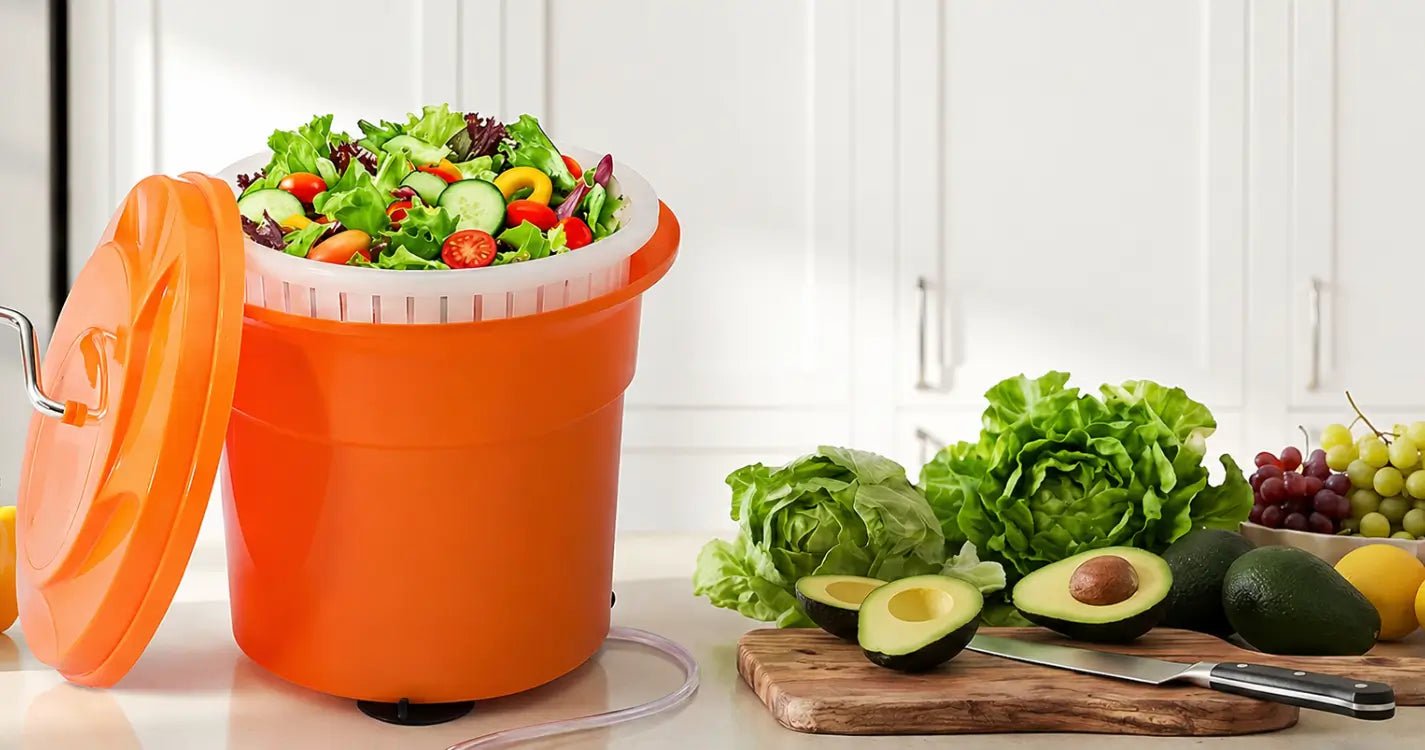
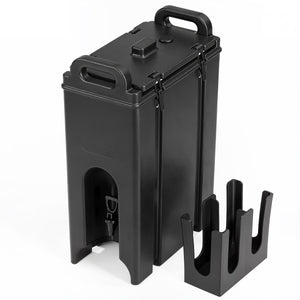
The Tribesigns Commercial Salad Spinner is designed for this kind of workflow. It has a 6.6-gallon capacity, a manual crank, anti-slip feet, and a 4.92FT drain tube to help move water away during large-batch prep.
It is a practical option for restaurants, catering kitchens, salad bars, food trucks, and anyone who needs to wash and dry several heads of lettuce at once.

What Can You Put in a Salad Spinner?
A salad spinner works best with produce that needs washing and gentle drying.
Best Uses
Use it for:
- Romaine lettuce
- Green leaf lettuce
- Butter lettuce
- Iceberg lettuce
- Spinach
- Kale
- Arugula
- Cabbage
- Cilantro
- Parsley
- Basil
- Mint
It is also useful for slaw mixes, shredded vegetables, and leafy toppings for sandwiches or burgers.
Other Smart Uses
A salad spinner can also help with:
- Berries
- Grapes
- Mushrooms
- Broccoli florets
- Canned beans
- Shredded potatoes
- Shredded zucchini
- Washed herbs before chopping
Use gentle spins for delicate items. Berries and soft herbs do not need the same force as romaine.
What Not to Put in a Salad Spinner
Avoid putting these in a salad spinner:
- Hot food
- Heavy food that may damage the basket
- Oily or dressed salad
- Very soft fruit
- Anything with hard pits or sharp edges
- Food that could clog the drain tube or spinning mechanism
A salad spinner is made for washing and drying, not mixing heavy ingredients.
How to Clean and Maintain a Salad Spinner?
A clean salad spinner works better and lasts longer.
After each use:
- Remove the lid and basket
- Dump any remaining water
- Rinse away loose leaves or debris
- Wash the bowl and basket with warm, soapy water
- Rinse well
- Let all parts air-dry before storing
For manual crank models, wipe around the handle and lid area. Do not force the crank if it feels stuck. Check for trapped leaves first.
For models with a drain tube, flush the tube with clean water after use and let it dry. This helps prevent odor, residue, or buildup inside the tube.
If the spinner is used in a commercial kitchen, follow your local cleaning and sanitizing requirements.
FAQ
How long should you spin lettuce in a salad spinner?
Most small batches need about 10 to 30 seconds. Larger batches may need longer. For the driest result, spin once, dump the collected water, then spin again.
Can you use a salad spinner for fruit?
Yes, but be gentle.Berries, grapes, and small fruit can be washed and lightly spun. Use short spins so soft fruit does not bruise.
Why is my lettuce still wet after using a salad spinner?
The basket may be too full, the greens may be packed too tightly, or you may have left water in the outer bowl. Try a smaller batch. Spin once, dump the water, then spin again.
Final Takeaway
The best way to use a salad spinner is to wash, swish, lift, drain, spin, empty the water, and spin again.
That is the simple method behind cleaner, crisper, better-tasting greens.
For everyday salads, a small spinner can do the job. For restaurants, catering prep, or large batches, a manual commercial salad spinner with a drain tube can make the process faster, cleaner, and easier to manage.