









How Many People Use the Room?
Seat count is the first decision, but daily use matters more than maximum capacity.
A table that can technically fit 10 chairs may not feel comfortable for 10 people. Meetings with laptops, notebooks, drinks, and printed materials need more room than quick check-ins. Larger chairs also reduce the number of people who can sit comfortably.
|
Seating Need |
Recommended Table Size |
Best For |
|
4–6 people |
5–6 ft |
Private offices, interviews, quick meetings |
|
6–8 people |
8 ft |
Small conference rooms, team meetings |
|
8–10 people |
10 ft |
Compact boardrooms, occasional larger meetings |
|
10 people comfortably |
12 ft |
Client meetings, leadership meetings |
|
12+ people |
14 ft or larger |
Large boardrooms, training rooms |
An 8 ft conference table around 94.49 inches long is a strong fit for 6–8 people. That size gives small teams enough room for laptops and notebooks without making the room feel crowded.
Read more: How big should a conference table be for 10 people?
Conference Table Size
Conference tables come in a wide range of sizes, and the right choice depends mainly on how many people you want to seat. For smaller teams, a 6-foot conference table is a practical option and typically seats about 6 people. An 8-foot table works well for medium-sized meetings, while 10-foot or 12-foot tables are better suited for larger teams, client presentations, or boardroom settings.
A good conference table should give each person enough space for a laptop, notebook, and meeting materials without feeling crowded. In most offices, allowing about 24 to 30 inches of table space per person creates a comfortable setup. Choose a size that fits your team’s everyday needs while still leaving the table looking balanced and professional.

Measure the Room Size
Room size decides what table will actually work. A table may fit on paper, but chairs, walkways, doors, screens, and storage cabinets all need space too.
Start by measuring the room’s length and width. Then mark anything that affects the layout, such as door swings, wall screens, whiteboards, windows, credenzas, or cabinets.
Plan for at least 36 inches between the table edge and the wall or nearby furniture. A room feels better with 42–48 inches, especially where people need to walk behind seated guests.
As a quick check, add 6–8 ft to the table length and width. An 8 ft table usually needs a room that gives it breathing space on all sides. A 12 ft table can look impressive, but it needs a larger room to keep the layout comfortable.
A smaller table with proper clearance often works better than a large table that leaves no room to move.
Choose the Right Conference Table Shape
Table shape affects seating comfort, sightlines, and how open the room feels. Most offices can narrow the choice down quickly once the room shape and meeting style are clear.
- Boat-shaped conference table. A polished choice for boardrooms, presentations, and video meetings. The curved sides improve sightlines without making the table hard to place.
- Rectangular conference table. The most space-efficient option. It fits well in long rooms, gives clear seating positions, and works for most standard office meetings.
- Oval or racetrack conference table. Softer in appearance and good for discussion-based meetings. Rounded ends look inviting, though they may reduce usable seating space.
- Round conference table. Best for small teams and equal conversation. Larger round tables take up more floor space, so they are not the most efficient choice for big groups.
- Modular or folding tables. Useful for training rooms, multi-use offices, and teams that change room layouts often.
Most offices do best with a rectangular or boat-shaped table. These shapes offer strong seating capacity, easy placement, and a professional look without wasting space.

Conference Table Color
Conference table color affects how the room feels and how formal the space looks. It should match the way the room is used, but it should not overpower the office.
For everyday team meetings, a simple and practical color usually works best. Light wood, white, or soft gray can keep a smaller room feeling open and easy to use. These colors are also easier to pair with modern office chairs, whiteboards, and video meeting equipment.
Client-facing rooms and leadership spaces often benefit from a richer or more polished look. Dark wood, walnut, black, or deep brown can make the room feel more grounded and professional. These colors work especially well in larger rooms with good lighting and enough open space around the table.
Color also changes how large the table feels. A dark table can look strong and executive, but it may feel heavy in a small room. A lighter finish can make an 8 ft conference table feel less bulky, especially in compact offices or shared meeting spaces.
- Light wood: warm, casual, and easy to use in small to mid-size offices.
- White: clean and modern, a good fit for creative workspaces or bright rooms.
- Gray: neutral and flexible, works well in offices with mixed furniture styles.
- Black: polished and modern, best for more formal rooms with enough lighting.
- Walnut or dark brown: classic and executive, often used in client-facing rooms and traditional offices.
Decide Whether You Need Power Outlets and Cable Management
Modern conference rooms often need more than a clean tabletop. Laptops, chargers, video calls, speakerphones, and presentation screens all change how the table is used.
Built-in power is especially helpful when people regularly bring laptops or present from the table. USB or USB-C charging can also reduce clutter, especially in shared meeting rooms.
Useful features include:
- Built-in power outlets
- USB or USB-C charging ports
- Cable grommets
- Under-table cable trays
- Openings for monitor or projector cables
- Easy access to nearby wall outlets
A small meeting room may not need every feature. Still, cable planning matters. Without it, even a good-looking room can turn messy once three laptops and a few chargers show up.
Hybrid meetings also need better sightlines. People should be able to face the screen, camera, and each other without twisting awkwardly in their chairs. Boat-shaped and rectangular tables usually handle this well.

Choose a Material That Fits Daily Office Use
Material affects the look, price, and maintenance of the table. Some offices need a refined boardroom feel. Others need a practical surface that handles daily use without much upkeep.
Common options include:
- Laminate. Durable, easy to clean, and budget-friendly. A practical choice for busy offices.
- Wood or wood veneer. Warmer and more executive in appearance. Often used in formal offices and boardrooms.
- Engineered wood. A strong everyday option when paired with a stable frame and a well-finished surface.
- Glass. Modern and clean-looking, but it shows fingerprints and may require more maintenance.
- Metal frame. Adds stability and works well in modern, industrial, or minimalist office spaces.
Most small and mid-sized offices care about durability, easy cleaning, and a professional look. A sturdy engineered wood tabletop with a reliable frame can be a sensible choice when the goal is everyday function rather than a custom executive boardroom.

Final Recommendation
The best meeting table should meet your space requirements, accommodate team meetings, and keep the room tidy and easy to use.
Once you've determined the number of seats, headroom, table shape, width, and power requirements, choosing the right meeting table becomes much easier.
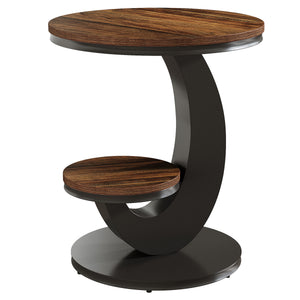
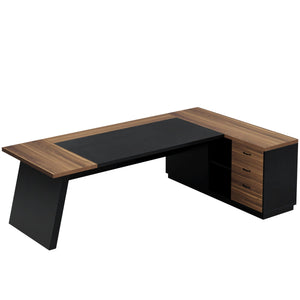
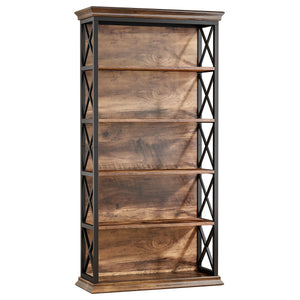
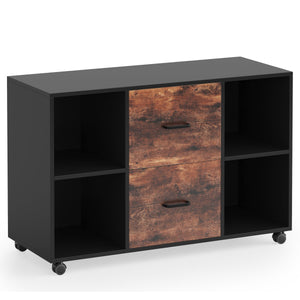
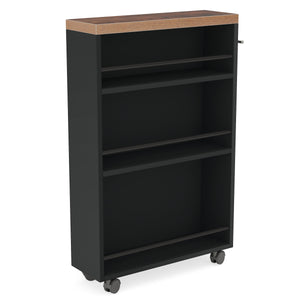
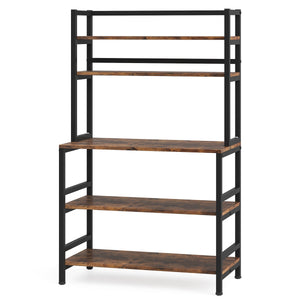
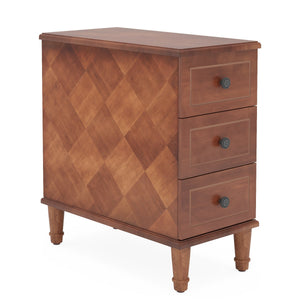
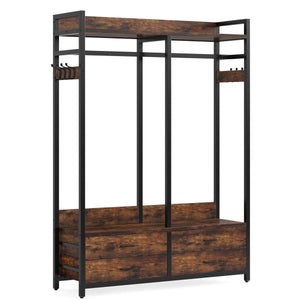
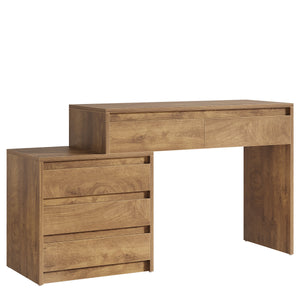
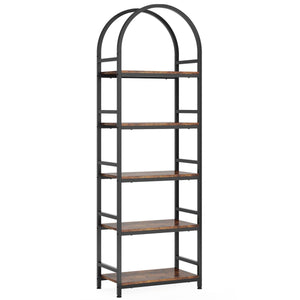
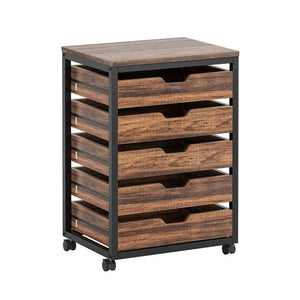
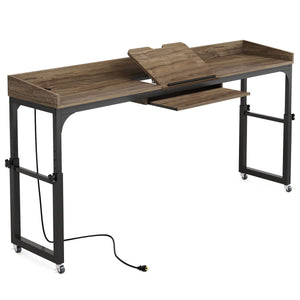
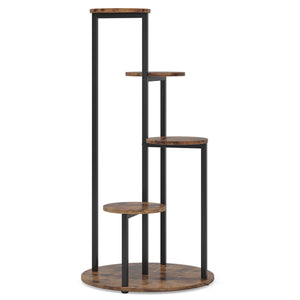
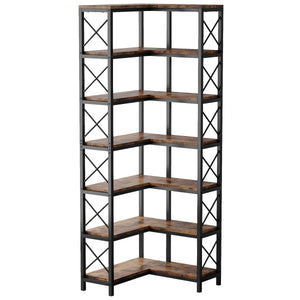
Tribesigns also offers a wider range of furniture to arrange in your meeting room, such as bookshelves and filing cabinets. Combine these with your meeting table to create an efficient and organized meeting space.
FAQ
What Size Conference Table Should I Choose?
Choose based on daily seating needs, not the largest group you might occasionally host. A 6–8 person room usually works well with an 8 ft table. An 8–10 person room may need a 10 ft table. Regular 10-person meetings usually feel better with a 12 ft table.
Is An 8 Ft Conference Table Big Enough?
An 8 ft conference table is usually big enough for 6–8 people. It works well for small conference rooms, team meetings, interviews, video calls, and shared work sessions. It is not the best choice for a true 10-person meeting room.
What Is The Best Conference Table Shape?
Rectangular and boat-shaped tables are the safest choices for most offices. Rectangular tables save space and maximize seating. Boat-shaped tables improve sightlines and look more polished in boardrooms.
What Is The Standard Conference Table Height?
Most conference tables are about 29–30 inches high. This height works with standard office chairs and gives most people comfortable legroom.