





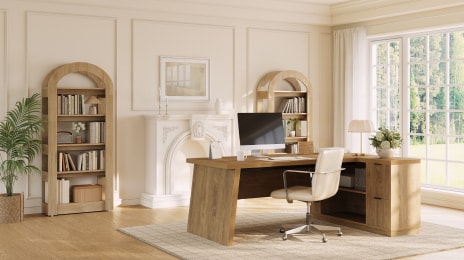




The size of the conference table is a core element of conference room planning. It directly determines the number of people the conference room can accommodate, affects the comfort and collaboration efficiency of the participants, and is related to the overall space layout, equipment integration (such as power ports), and the smoothness of the flow of traffic. Choosing the right size is the first step to creating an efficient and professional meeting space.
Table of Contents
- Standard Conference Table Size
- What's the Standard Height of a Conference Table?
- Conference Table Shapes
- How to Choose the Right Conference Table Size For A Meeting Room?
- How Do You Measure an Office Table?
- FAQ
- Conclusion
Standard Conference Table Size
Throw out generic “one-size-fits-all” advice. These industry-certified dimensions prevent costly misfits(BIFMA & ADA-Compliant):
|
Persons |
Table Size |
Min. Room Size |
Ideal Shape |
Tribesigns Table |
|
4-6 |
72”L x 36”W |
10’ x 12’ |
Rectangle |
|
|
8-10 |
96”L x 48-54”W |
14’ x 16’ |
Boat/Yacht |
|
|
12-16 |
144”L x 54-60”W |
18’ x 20’ |
Oval |
/ |
Critical Details Most Guides Miss:
- ADA Knee Clearance: 27” height under table (min.)
- Per-Person Space: 30” width + 24” depth for materials
- Walkway Safety: 42” clearance behind pulled-out chairs
- 2024 Tech Update: 54” width is the new minimum for dual monitors

What's the Standard Height of a Conference Table?
The standard height for a conference table is 29 to 30 inches (74 to 76 cm).
This height aligns with typical office desks and chairs, ensuring ergonomic comfort for seated users—keeping arms at a 90-degree angle when writing or typing.
Note:
- ADA-compliant accessible tables max out at 34 inches (86 cm) to accommodate wheelchairs.
- Custom designs may vary, but 29–30" remains the industry standard for commercial furniture.
Always pair with chairs featuring a 17–19-inch (43–48 cm) seat height for optimal posture.
Conference Table Shapes
Here are the most common conference table shapes in the U.S. office furniture market, each serving distinct functional and spatial needs:

1. Rectangular
- Most popular shape for traditional boardrooms.
- Maximizes seating capacity along the length.
- Fits efficiently in rectangular rooms; aligns with walls/cabinetry.
- Reinforces hierarchical seating (e.g., leadership at ends).
2. Boat/Racetrack
- Combines straight sides with rounded ends.
- Softens formality while maintaining efficient seating.
- Prevents "dead corners" (common in rectangles).
- Ideal for collaborative discussions (8–16 people).
3. Oval/Elliptical
- Creates egalitarian sightlines; no dominant "head."
- Works in square or rectangular rooms.
- Enhances flow in high-traffic areas (no sharp corners).
- Often used in executive or client-facing settings.
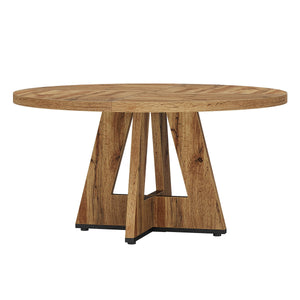
4. Round/Circular
- Best for small groups (6–10 people max).
- Promotes equal participation; no positional hierarchy.
- Requires larger room footprints (diameter = seating space + chairs).
- Avoid for large teams (distances strain conversation).
5. Square
- Rarely used beyond compact 4-person meetings.
- Corners create wasted space; sightlines feel confrontational.
- Typically niche (e.g., breakout rooms).
How to Choose the Right Conference Table Size?
1. Prioritize Capacity & Comfort:
Per Person: Allow 24–30 inches (61–76 cm) of table edge space.
Example: An 8-person rectangular table needs at least 8–10 ft (2.4–3 m) in length.
2. Calculate Room Clearance:
Critical: Leave 36 inches (91 cm) clearance around the table for chairs and movement.
Formula:
- Room Width = Table Width + 72" (36"×2)
- Room Length = Table Length + 72" (36"×2)
3. Match Table to Room Shape:
Rectangular rooms: Use rectangular, boat, or oval tables.
Square rooms: Opt for round, square, or oval tables.
Avoid filling >70% of the room with the table.
4. Factor in Tech & Storage:
Add 12–24 inches (30–61 cm) length for screens or cabinets.
For integrated power/USB: Allocate 3–5 inches (7.6–12.7 cm) in thickness.

How Do You Measure an Office Table?
Use a tape measure and record:
- Length: Left to right at the longest span.
- Width: Front to back (depth).
- Height: Floor to tabletop (typically 29–30").
- Thickness: Tabletop only (e.g., 1.5" for wood).
- Clearances:
-
- Kick space: Under-table depth (min. 12" for knees).
- ADA clearance: 27" knee height × 30" width under table.
📏 Pro Tip:
- For irregular shapes (boat, oval): Measure length at centerline, width at widest point.
- Include base dimensions if legs/pedestals affect seating space.
Conference Table FAQ
Which Shape of Conference Table Holds the Most People?
Rectangular tables maximize seating. Straight sides allow tighter spacing (24–30" per person). Example: A 14' × 5' rectangular table seats 12–14.
Runner-up: Racetrack (10–20% fewer seats than rectangular due to curved ends).
Racetrack or Oval Conference Tables?
|
Feature |
Racetrack |
Oval |
|
Seating Capacity |
Higher (straight midsection) |
Lower (fully curved edges) |
|
Space Efficiency |
Fits rectangular rooms better |
Versatile for square/rectangular |
|
Formality |
Semi-formal |
Egalitarian, collaborative |
|
ADA Access |
Harder at curved ends |
Easier (no sharp corners) |
What Are the Pros and Cons of Round Tables?
Pros:
- Equal sightlines (ideal for <10 people).
- No "head" position (encourages discussion).
Cons:
- Low capacity: Diameter dictates seats (6' table = max 8 people).
- Wasted space in corners (requires larger rooms).
- Voice strain in groups >10 (industry-recognized acoustic issue).
How to Calculate How Many People Can Fit Around the Table?
Use this formula:
Rectangular/Racetrack/Oval: Table Perimeter ÷ 30" (comfort) or Perimeter ÷ 24" (tight). Example: 14' (168") × 5' table perimeter = 436". → 436" ÷ 30" = 14–15 people.
Round: Circumference ÷ 30" → π × Diameter ÷ 30". Example: 6' (72") diameter → (3.14 × 72) ÷ 30 = 7–8 people.
Conclusion
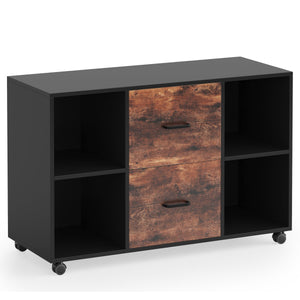
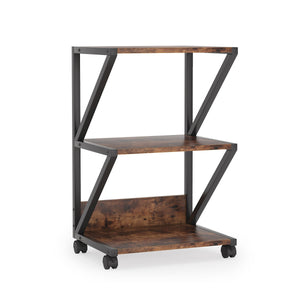
When planning your meeting room, don’t forget these practical accessories and furniture: In addition to basic tables and chairs, you can also consider equipping it with whiteboards, storage solutions, TVs, printers, bookshelves, audio-visual carts, podiums or desks, and even reserved coffee break space.
If you need to use electronic devices, it is recommended to integrate power, network data ports, and USB interfaces into the conference table. Generally, these interfaces can be seamlessly installed on various desktops without additional modifications. The reserved cable holes on the desktop can also ensure that the cables are neat and tidy.
Tribesigns office desk helps you work efficiently. We select high-quality materials and match them with comfortable colors. The surface is smooth, hard-wearing and easy to clean. When you place an order, you will enjoy a full range of accessories, tools and clear instructions, making the assembly process easy and convenient.
Missed Prime Day? Save again with Tribesigns, up to 20% off! 🎉💸