









Start with the Right Shade of Brown
The best brown for a small space depends on how much natural light the room gets. In bright rooms, deeper browns can feel rich and dramatic. In darker rooms, soft browns are usually safer.
|
Brown Shade |
Best Use in Small Spaces |
|
Tan |
Walls, bedding, curtains, rugs |
|
Taupe |
Modern neutral rooms, small bedrooms |
|
Mocha |
Accent walls, pillows, throws |
|
Walnut |
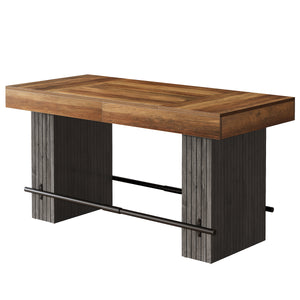
Coffee tables, desks, bookshelves |
|
Caramel |
Leather chairs, ottomans, decor |
|
Chocolate brown |
One focal point, such as a sofa or cabinet |
Undertone matters too. Browns with beige, caramel, or taupe undertones usually feel softer. Browns that are too red, too glossy, or almost black can look heavy in a tight room, especially without enough daylight.
Keep the Base Light
A small room does not need to be all white, but it does need breathing room. The easiest way to use brown is to keep the largest surfaces light, then layer brown through furniture and decor.
A simple formula works well:
- 60% light neutrals, such as cream, warm white, ivory, or beige
- 30% brown tones, such as wood furniture, leather, woven baskets, or rugs
- 10% accent colors, such as sage green, rust, brass, black, or soft blue
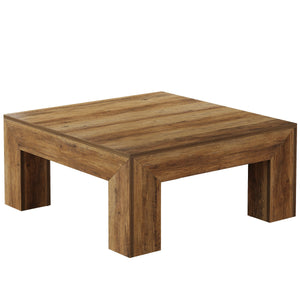
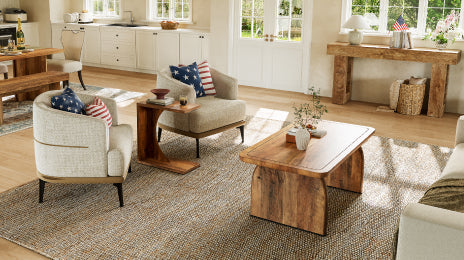
Picture a small living room with warm white walls, an ivory rug, a walnut coffee table, and two mocha pillows. The room still feels bright, but the brown details stop it from looking plain or unfinished.

Choose Brown Furniture That Feels Light
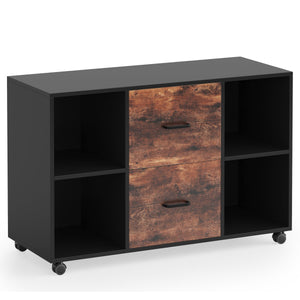
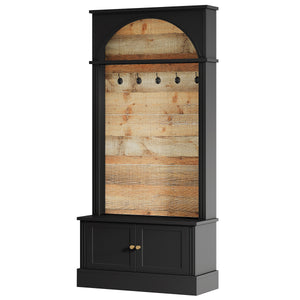
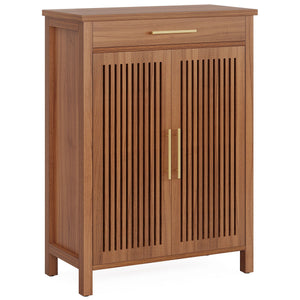
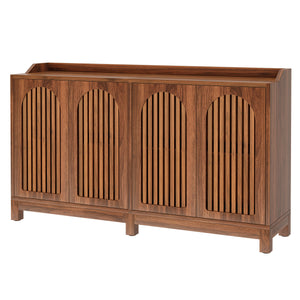
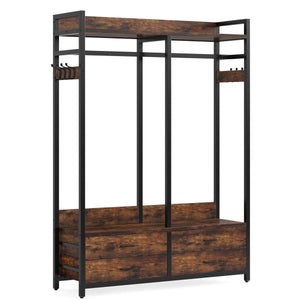
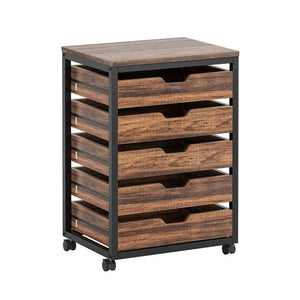
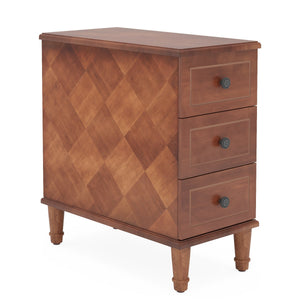
Small spaces do not always need smaller furniture. They need furniture with the right shape, scale, and visual weight. A bulky dark cabinet can make a room feel cramped, while a slim walnut table can add warmth without closing the space in.
|
Furniture Type |
Better Choice for Small Spaces |
Why It Works |
|
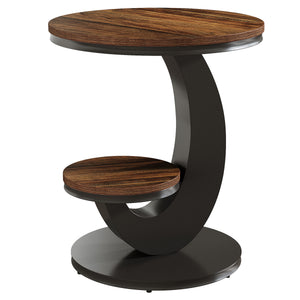
Nesting table or slim-leg table |
Keeps the center open |
|
|
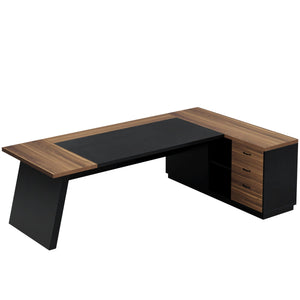
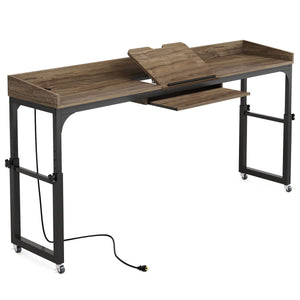
Compact writing desk |
Creates a work zone without bulk |
|
|
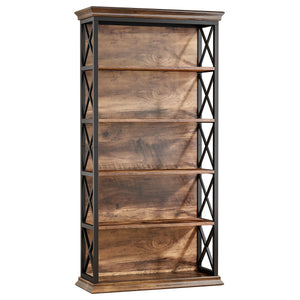
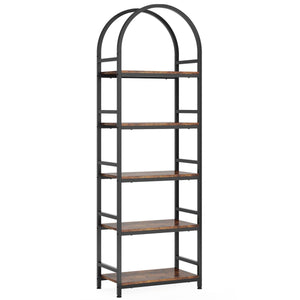
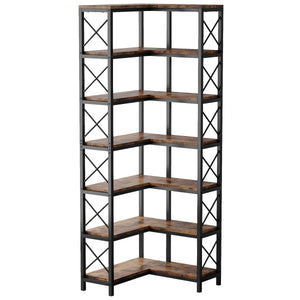
Bookshelf |
Uses wall height instead of floor space |
|
|
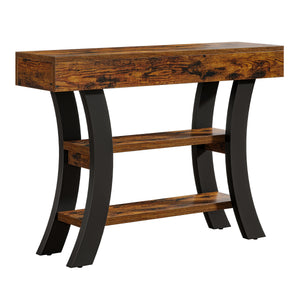
Console table |
Adds function in tight areas |
|
|
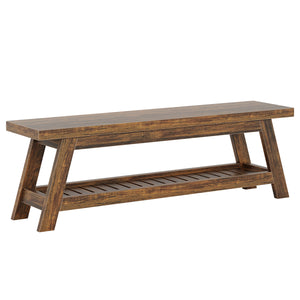
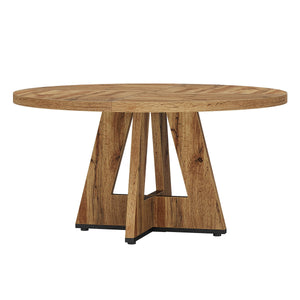
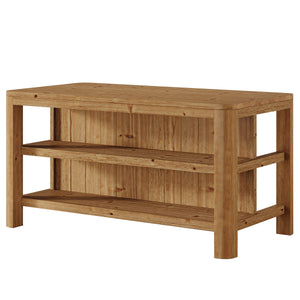
Open-frame table |
Looks lighter than a solid block |
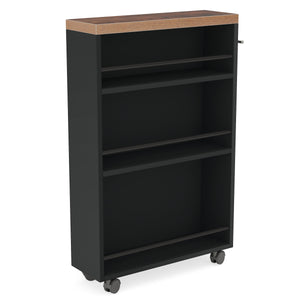
For small rooms, visible legs, open shelving, rounded corners, and vertical storage usually work better than thick, boxy pieces. Brown furniture is not the problem. Heavy furniture is.
Brown Living Room Ideas for Small Spaces
A small brown living room should feel layered, not crowded. Start with one main brown feature and build around it.
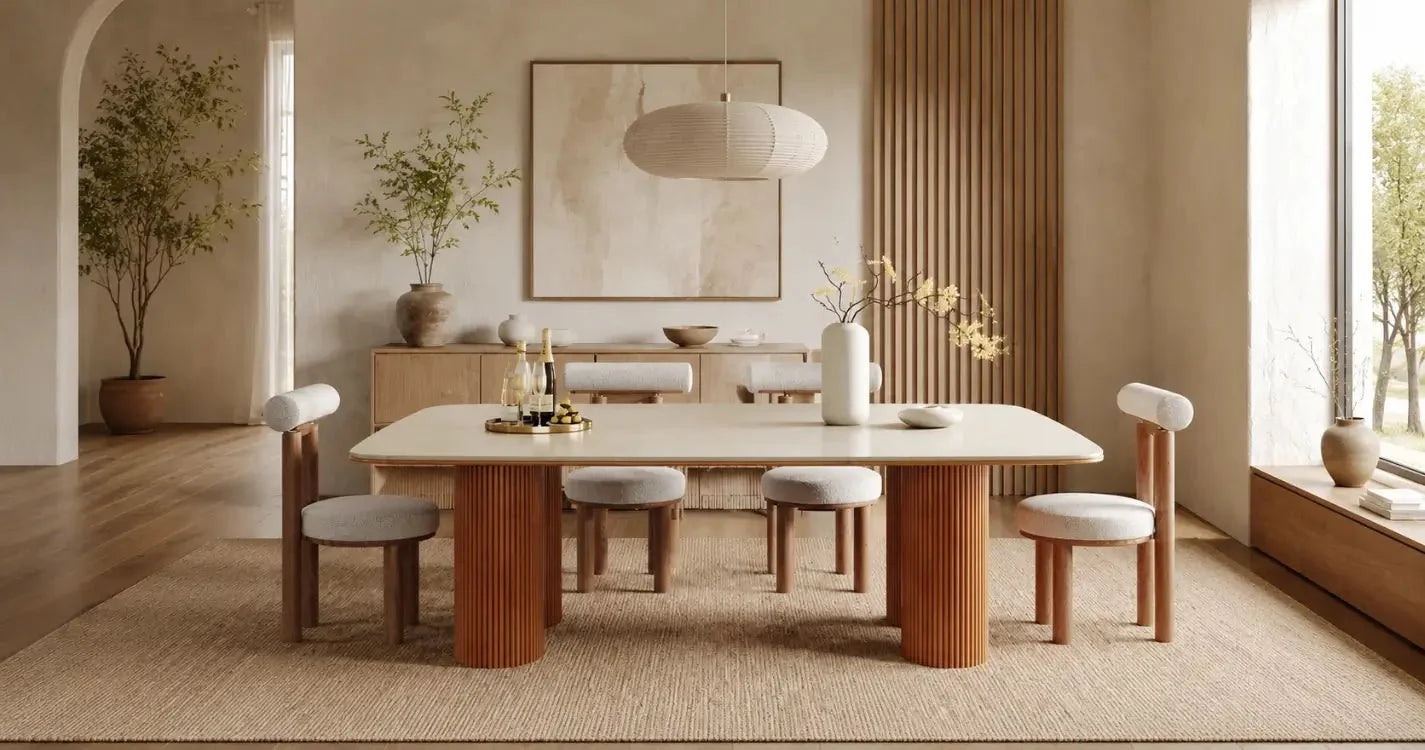
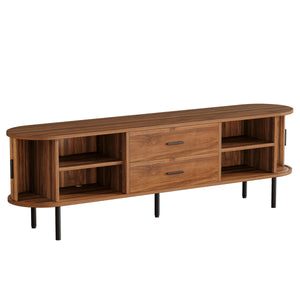
For a renter-friendly look, keep the walls white and bring in brown through a walnut TV stand, jute rug, woven baskets, and a cognac accent chair. These pieces add warmth without requiring paint or renovation.
For a modern look, try a chocolate brown sofa with an ivory rug, cream pillows, and a slim black or brass floor lamp. The sofa becomes the anchor, while the lighter pieces keep the room open.
For a cozy natural style, combine a tan rug, wood coffee table, linen curtains, and sage green accents. This palette feels relaxed but still intentional.
Avoid using dark brown on every large item. A brown sofa, brown rug, brown curtains, and brown media console may technically match, but the room can quickly feel flat and dated.

Brown Bedroom Ideas for Small Rooms
Brown works especially well in small bedrooms because it feels restful. Unlike stark black or cool gray, mocha, walnut, and caramel tones bring warmth without feeling too sharp.
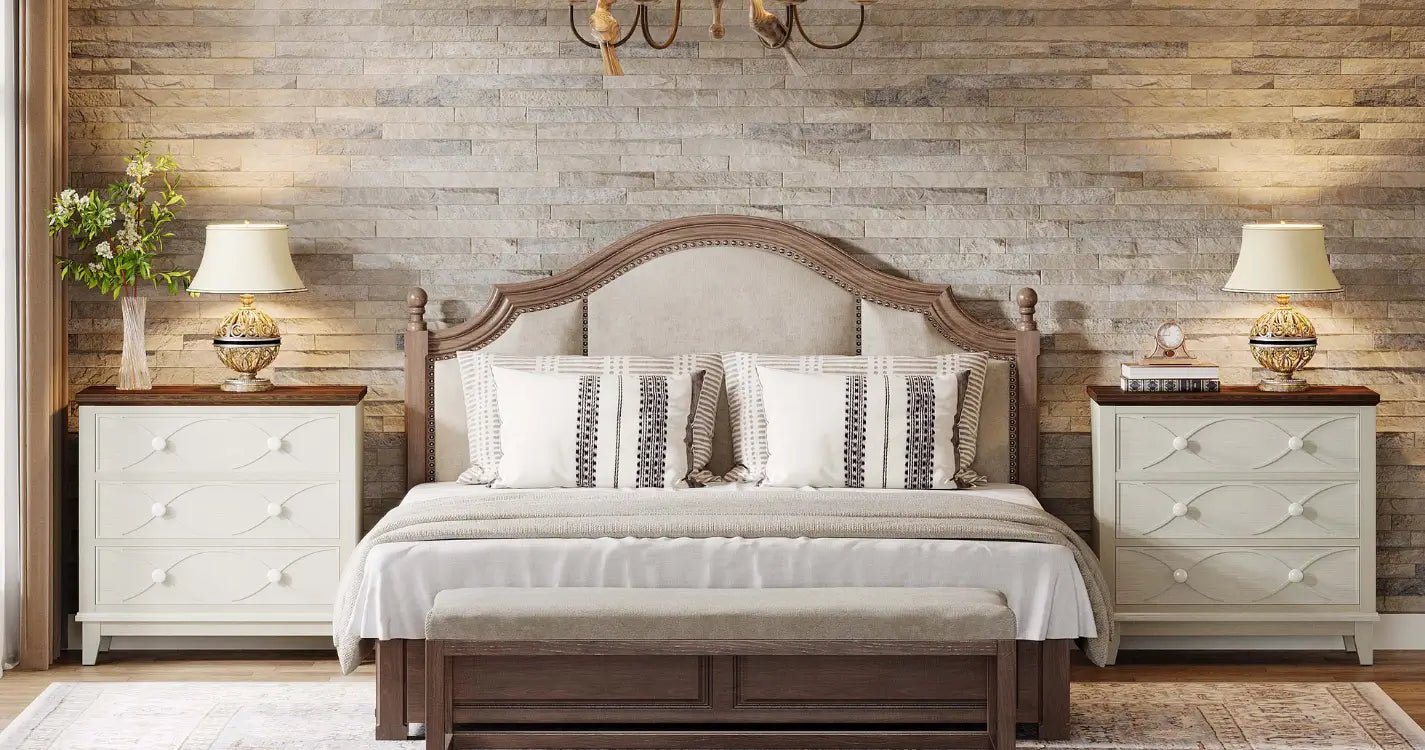
Use cream bedding as the base, then add a mocha throw blanket, walnut nightstands, and soft bedside lamps. A brown accent wall behind the bed can create depth, but keep the other walls lighter so the room does not feel boxed in.
When floor space is limited, choose wall sconces instead of table lamps. Floating nightstands, tall dressers, and vertical shelves also help the room stay functional without adding visual clutter.
Brown Home Office Ideas for Small Apartments
A brown home office can feel focused and mature, even in a small corner. The trick is to choose pieces that look warm but not oversized.
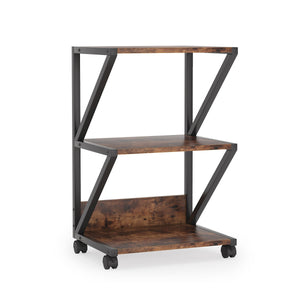
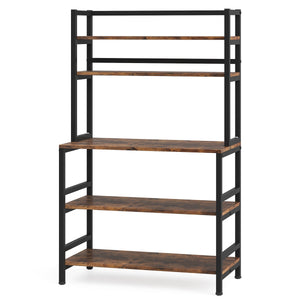
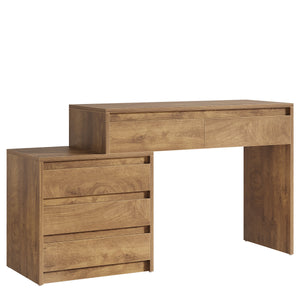
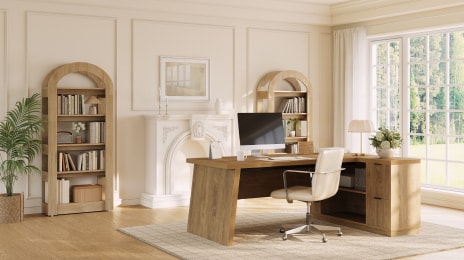
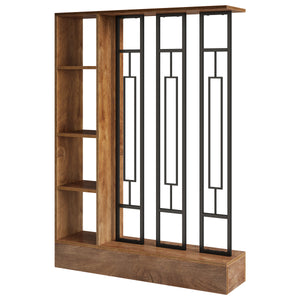
A compact walnut desk, a wood-and-metal bookshelf, or a cognac desk chair can define a work zone without making the room feel like a full office. Open shelves are especially useful because they give you storage while keeping the wall from looking too heavy.
Keep the desktop simple. A warm lamp, one tray, and a few closed storage boxes are enough. Brown already adds visual depth, so the space does not need much extra decoration.
Add Texture So Brown Does Not Look Flat
A flat brown room can feel dull. A textured brown room feels collected.
Mix wood grain, leather, linen, rattan, jute, ceramic, velvet, or woven baskets. For example, a walnut coffee table looks warmer with a jute rug underneath. A brown leather chair feels softer with a linen pillow. A mocha bedspread becomes more inviting when paired with crisp cotton sheets and a chunky throw.
Texture is what makes brown feel designed instead of dark.
Use Warm, Layered Lighting
Brown interiors need warm lighting. One bright ceiling light often makes the room feel harsh, while cold white bulbs can make brown furniture look muddy.
Use table lamps, floor lamps, wall sconces, or under-shelf lighting to brighten corners. A mirror placed near a window can also reflect natural light and make the room feel more open. Warm white bulbs around 2700K to 3000K usually make wood, leather, and woven decor look softer.
Good lighting is especially important if you are using a dark brown sofa, desk, or cabinet.

Mistakes to Avoid with Brown in Small Spaces
The biggest mistake is using too much dark brown at once. A small room does not need matching brown furniture sets, heavy curtains, and dark walls.
Also avoid:
- Oversized furniture with no visible legs
- Glossy dark brown finishes in low-light rooms
- Thick rugs that make the floor feel busy
- Too many small brown accessories scattered everywhere
- Cold lighting that makes the room feel dull
- Filling every empty corner with decor
A better approach is to choose one or two brown focal points, support them with lighter colors, and leave some negative space.
Final Thoughts
Brown interior design ideas for small spaces work best when the room feels balanced. Start with a light base, add brown through furniture and texture, choose pieces with slim profiles, and use warm lighting to soften the look.
Done well, brown does not make a small room feel smaller. It makes it feel warmer, calmer, and more intentional.
FAQ
Is Brown a Good Color for Small Rooms?
Yes. Brown can work beautifully in small rooms when paired with light neutrals, good lighting, and space-saving furniture.
What Color Makes Brown Furniture Look Less Heavy?
Cream, warm white, beige, light gray, sage green, and soft blue can all balance brown furniture.
Can I Use a Dark Brown Sofa in a Small Living Room?
Yes, but pair it with a light rug, slim coffee table, pale curtains, and minimal clutter.
What Brown Shade is Best for Small Apartments?
Light brown, tan, taupe, mocha, and walnut are easier to use than very dark espresso tones.
How Do You Make a Brown Room Look Modern?
Mix brown with clean-lined furniture, warm whites, black accents, brass, natural textures, and layered lighting.