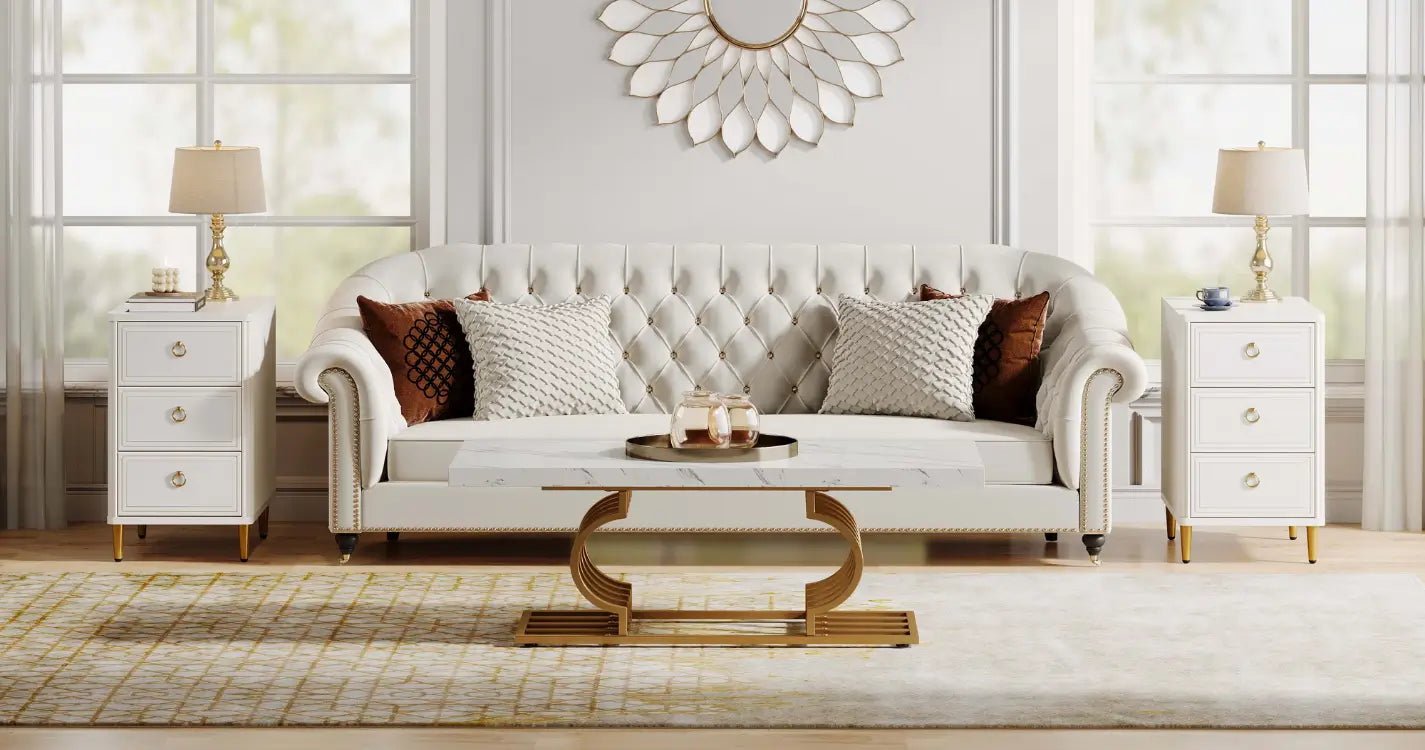



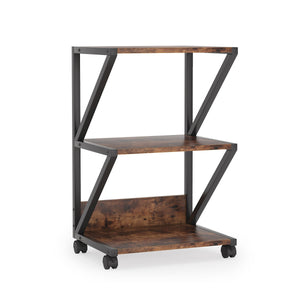

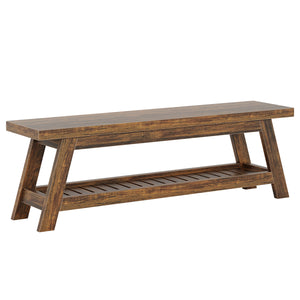
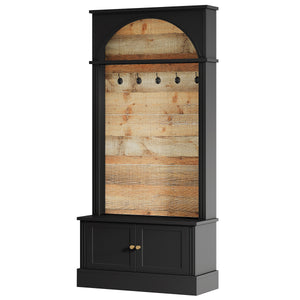
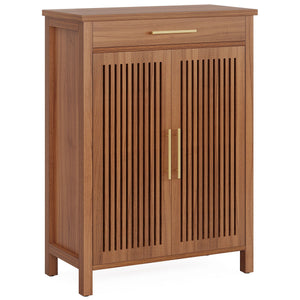

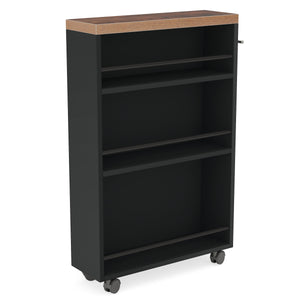
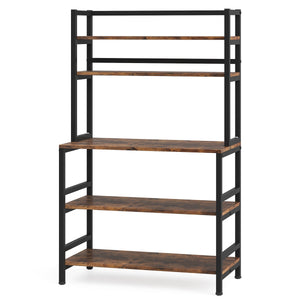
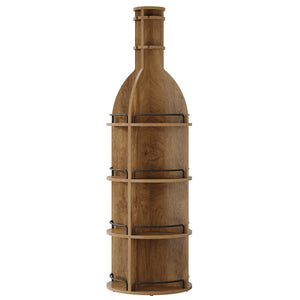

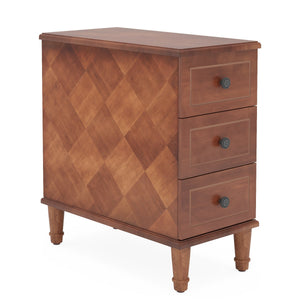
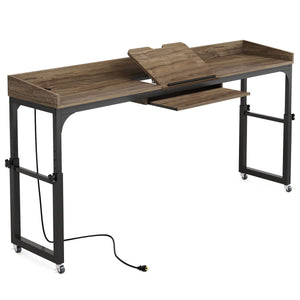


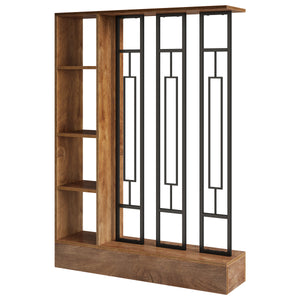


Selecting a side table is an exercise in architectural balance. While it may seem like a secondary purchase, the right side table acts as the functional and aesthetic bridge between your seating and the rest of the room.
To choose correctly, one must look past the price tag and evaluate the harmony of scale, the quality of light and shadow reflection, and the long-term utility of the material in a modern living environment.
Table Of Contents
Height And Depth
The most critical factor in your selection process is the physical relationship between the table surface and the sofa’s armrest.
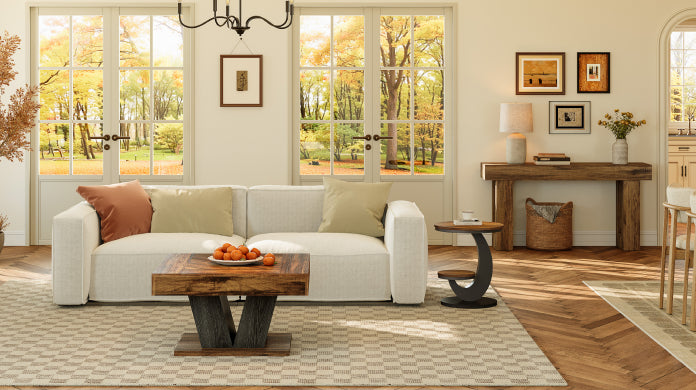
In professional design circles, the "Golden Rule" dictates that a couch side table should be within two inches of the arm height. For a standard American sofa, this typically means a height between 22 and 25 inches.
In 2026, the trend is toward "slim-profile" tables for narrow apartments and "over-sized pedestals" for sprawling sectionals. Ensuring that the table provides enough surface area for a lamp, a book, and a drink—without feeling like an obstacle—is the hallmark of a well-considered living space.

Material
When choosing a material, you must look forward to how the piece will age within your specific environment.
If your side table will be a high-traffic zone for coffee cups and electronic devices, look for materials with a high resistance to thermal shock and moisture. For instance, while a raw, unsealed marble offers a stunning light and shadow reflection, a vacuum-sealed travertine or a high-pressure laminate provides the same visual depth with significantly lower maintenance requirements.
For timber enthusiasts, the "finish" is as important as the species. Look for hard-wax oil finishes over heavy lacquers. Hard-wax oils penetrate the wood grain, allowing the natural textural friction of the oak or walnut to remain felt, while also making it easy to spot-repair scratches at home. This shift toward "maintainable luxury" means looking for materials that develop a beautiful patina over time rather than those that simply deteriorate.
Shape
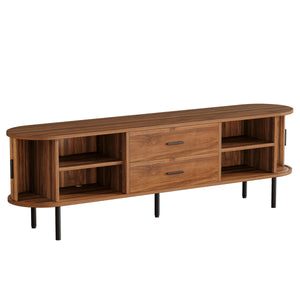
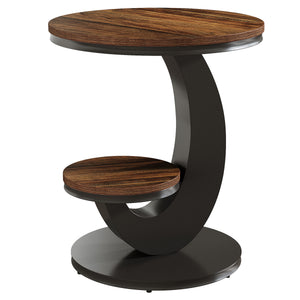
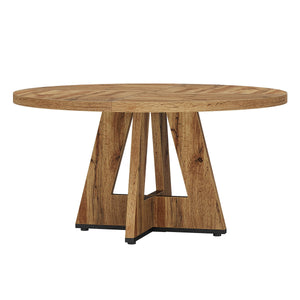
The silhouette of your side table dictates the "energy" and movement within your living room. Round or elliptical tables are the preferred choice for high-traffic zones, as their lack of sharp corners facilitates a smoother transition between furniture pieces. A round table also serves to "soften" the rigid, geometric lines of a large sofa, creating a more inviting and organic atmosphere.
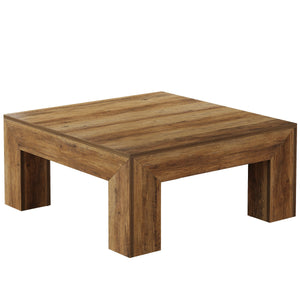
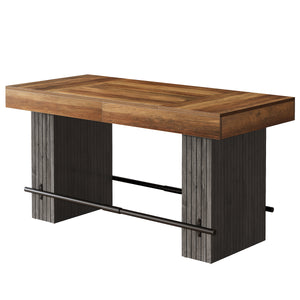
Conversely, square or rectangular tables are ideal for filling corner voids or providing a more "architectural" feel to a modern minimalist space. These shapes offer maximum surface area and can be pushed flush against the sofa, making them excellent for those who require a dedicated space for tech-integration, such as built-in wireless charging pads or cable management systems.

Color
In 2026, color selection for side tables has shifted from "matching" to "intentional contrast." Use these four professional palettes to anchor your seating area:
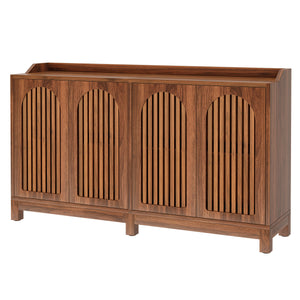
- Earth-Toned Grounding (Midnight Walnut & Espresso): Dark, dense woods create a definitive visual anchor point. Pair a deep Midnight Walnut table with a light linen sofa to frame the seating area and add a sense of permanent structure.
- Monochromatic Layering (Travertine White & Oak): For a gallery-like serenity, layer similar tones. A Travertine White or Sand-Blasted Oak table against a beige bouclé sofa relies on light reflection and subtle texture rather than bold color to provide depth.
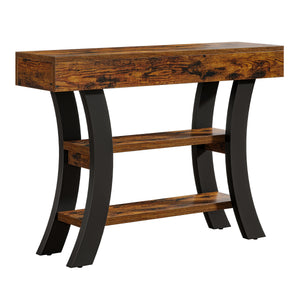
- Industrial Warmth (Rustic Brown & Charcoal): This combination offers the perfect textural friction. The organic grain of Rustic Brown wood against a matte Charcoal metal frame pairs exceptionally well with leather seating, balancing ruggedness with refinement.
- Metallic Accents (Brushed Gold & Bronze): Treat metallic frames as "jewelry" for the room. Brushed Gold or Antique Bronze surfaces bounce ambient light into darker corners, ensuring the table remains a luminous focal point without feeling heavy.

Stability
Structural stability is paramount; a side table should feel "weighted" and solid to the touch. When you apply slight pressure, there should be zero oscillation or wobbling. This stability is not just about safety; it’s about the tactile satisfaction of a piece that feels permanent.
Furthermore, inspect the base design. For those with high-pile carpets or uneven flooring, a side table with integrated leveling feet or a recessed plinth base is a crucial feature to look for. These small but vital engineering details ensure that your table remains a reliable surface for delicate objects like crystal glassware or high-end ceramics. A well-constructed base acts as the physical foundation of the room’s seating area, ensuring that functional beauty is never compromised by structural weakness.
Functionality
The "best" side table is one that solves a problem. Look for discreet functional integration, such as hidden cable management channels or recessed wireless charging pads that don't disrupt the table’s silhouette. A side table is no longer just a resting place for a book; it is a hub for connectivity.
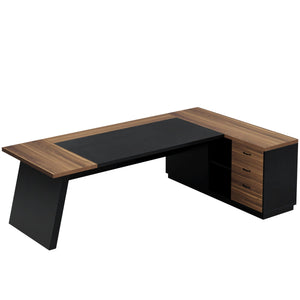
Consider the "User Persona" of your space. If your living room doubles as a home office, look for articulating C-table designs or tables with integrated storage drawers that allow you to clear clutter instantly. If you host guests frequently, look for modular nesting capabilities that allow you to expand your surface area on demand. By prioritizing these functional nuances, you ensure that your choice is not just a stylistic match for your sofa, but a strategic investment in your daily comfort and efficiency.
Price And Brand
If you consider the "annual cost" rather than the initial price, you'll find that a mid-range investment—typically between $150 and $450—ensures you get a well-crafted piece of furniture. This avoids the warping and surface aging issues common in cheaper alternatives, making the table a permanent visual focal point rather than a temporary replacement.
Furthermore, brand reputation is the ultimate guarantee. For those seeking the perfect blend of sophisticated design and industrial-grade durability, the Tribesigns side table has become an excellent choice, defined by consumers as "Afordable Luxury." They are committed to creating a stable, easy-to-assemble design that makes it a reliable addition to any modern interior space.
Read more: Best End Tables for Living Room 2025

Frequently Asked Questions
How Wide Should A Couch Side Table Be?
The ideal width depends on the scale of your sofa and the size of your room. Generally, for a standard three-seater sofa, a width of 14 to 18 inches is considered the industry standard. However, if you are pairing it with a large-scale sectional, you may need a wider "drum" style table to maintain visual balance. The key is to ensure the table is wide enough to be functional but narrow enough to leave at least 18 inches of clearance for traffic flow around the furniture.
Should I Match My Side Table To My Coffee Table?
Designers now recommend that side tables and coffee tables be "sisters, not twins." You can maintain a sense of unity by repeating a common element—such as a specific wood tone or a metallic finish—but varying the shapes or textures. Mixing a round wood coffee table with a square marble side table, for instance, creates a much more sophisticated and "collected" look than buying a matching set from a big-box store.
Are Metal Side Tables Better Than Wood Ones?
Neither is inherently "better," as the choice should depend on the textural friction you wish to achieve. Metal side tables offer a sleeker, more industrial profile and are excellent for adding light-reflective surfaces to a dark room. Wood tables, particularly in walnut or oak, bring an organic warmth and sturdiness that metal often lacks. For the best result, evaluate the dominant materials already in your room; if you have a lot of wood flooring and shelving, a metal or stone side table can provide a much-needed break in texture.
Is It Better To Have A Side Table With Drawers Or An Open Shelf?
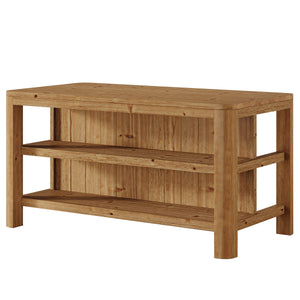
This depends on your organizational habits. If you prefer a "minimalist" look, an open shelf encourages you to display only curated objects, acting as a gallery-style visual anchor point. However, if you struggle with clutter (remotes, chargers, coasters), a side table with a soft-close drawer is a superior choice. It allows you to maintain the "clean lines" of your living room while keeping essentials within an ergonomic reach.