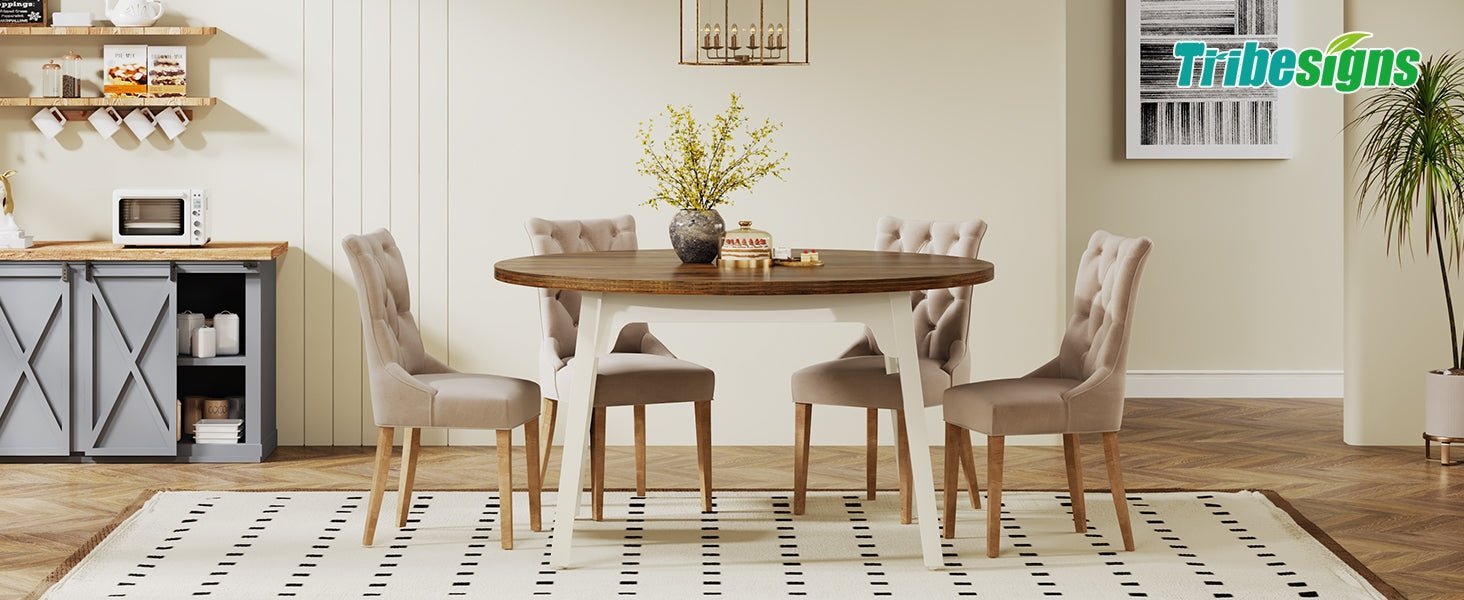


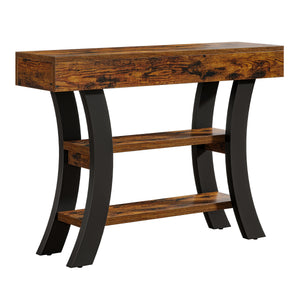
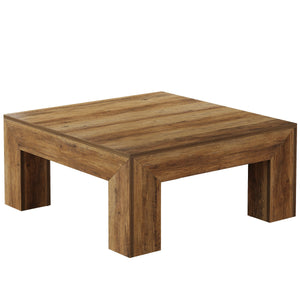
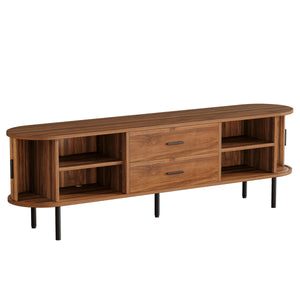
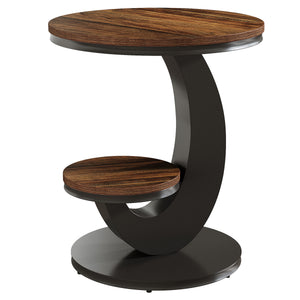

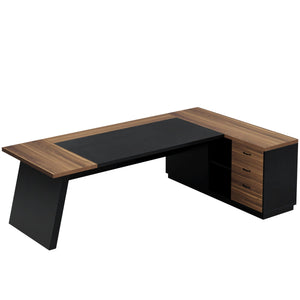
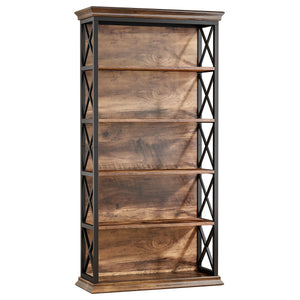
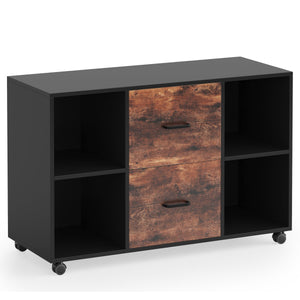
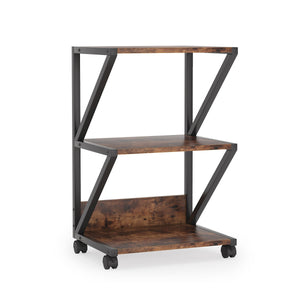

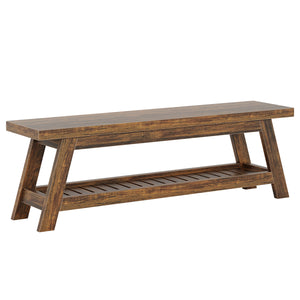
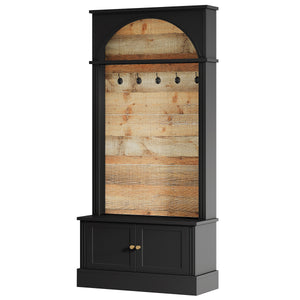
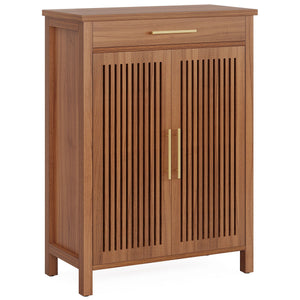

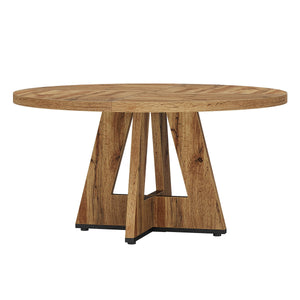
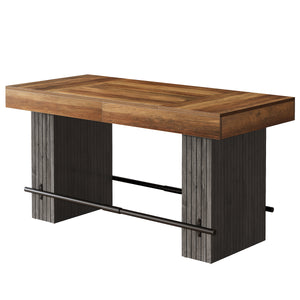
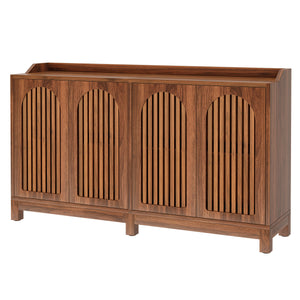

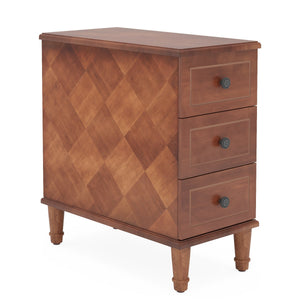
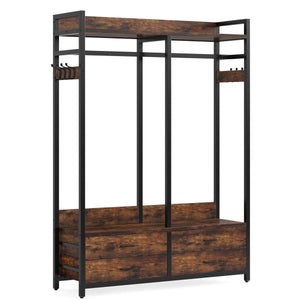
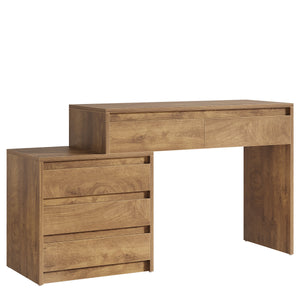
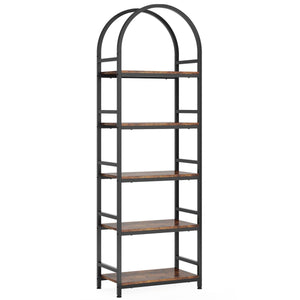
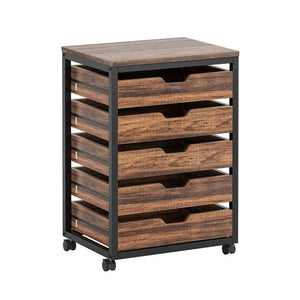
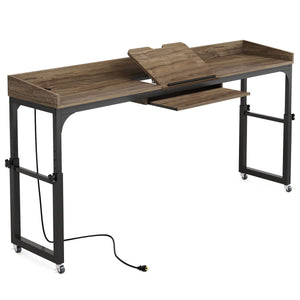
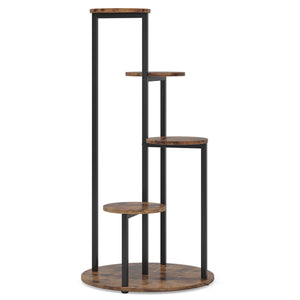
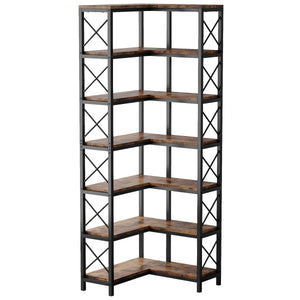
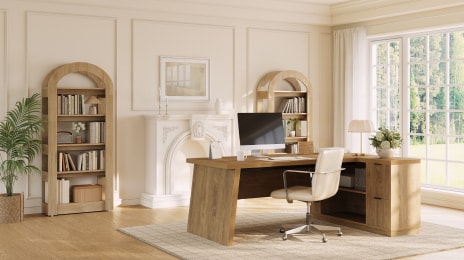


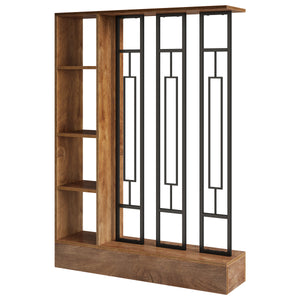


Choosing the right wood for furniture is more than a design choice. The type of wood affects how long your furniture will last, how it looks in your home, and how much you spend. In the U.S. furniture market, you will often see two main categories: solid wood and engineered wood. Each has its strengths and limitations. Understanding these options will help you make smarter decisions, whether you are buying a dining table, a bedroom set, or an office desk.
Table of Contents
Solid Wood Furniture
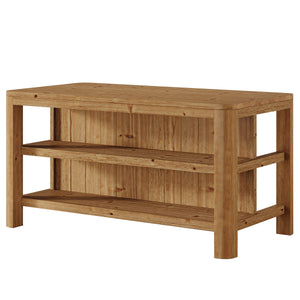
Solid wood comes directly from natural lumber. Each board shows unique patterns, grains, and sometimes knots. Because it is one solid piece, it can last for decades when cared for properly. Scratches or dents can often be sanded out, making it more repairable than most engineered products.
Check about solid wood furniture by Tribesigns.

Oak
Oak trees are primarily found in North America and Europe. As a slow-growing hardwood, oak typically takes 50 to 100 years to fully mature. This growth rate contributes to its density and strength, making it an ideal material for high-quality furniture.
Characteristics & Types
Oak is known for its durability, heaviness, and distinct grain pattern, giving furniture a classic and robust look. Oak comes in two main types: Red Oak and White Oak.
- Red Oak: Lighter in color with a coarser grain, ideal for creating traditional, rustic-style furniture.
- White Oak: Darker in color, with a denser and more uniform grain, commonly used in high-end furniture and finer designs.
Applications
Due to its exceptional durability, oak is frequently used in dining tables, cabinets, bookshelves, and flooring. Its abrasion resistance and scratch resistance make oak furniture highly suitable for high-traffic areas like living rooms, dining rooms, or offices.
Position in the U.S. Furniture Market
Oak is one of the most popular hardwoods in the U.S. furniture market. With its classic appearance and incredible durability, oak furniture is highly favored in many American homes. Whether for traditional or modern styles, oak furniture offers lasting beauty and functionality, making it a preferred choice for many consumers.
Walnut
Walnut trees primarily grow in North America (especially the U.S.) and parts of Europe. They usually take 30 to 60 years to reach a harvestable size, contributing to their dense structure and rich color.
Characteristics
Walnut is highly regarded for its rich dark brown color and tight, straight grain. It’s slightly softer than oak but still remains strong and durable. The natural color variations of walnut range from a deep chocolate brown to almost purple hues, which makes it an ideal choice for distinctive, high-end furniture.
Applications
Often used in luxury furniture, walnut is a top choice for making headboards, desks, and accent tables. Its elegant, refined appearance makes it perfect for those seeking furniture with a sophisticated touch.
Position in the U.S. Furniture Market
Walnut is considered a premium hardwood, frequently used in custom furniture or designer pieces. It’s particularly favored for high-end furniture such as headboards, desks, and statement tables, offering a timeless aesthetic that appeals to customers looking for elegance and uniqueness.
Maple
Maple trees are native to North America, and compared to other hardwoods, they grow relatively quickly, taking about 30 to 40 years to mature. Hard maple (specifically sugar maple) is especially popular for furniture making due to its density and durability.
Characteristics
Maple is known for its high density and hardness, with a fine, smooth grain. Its light, uniform color allows it to be used for both natural finishes and staining. Maple’s hardness makes it more resistant to scratching and denting compared to many other woods, making it ideal for furniture that sees heavy use.
Applications
Maple is often used in modern furniture, butcher blocks, vanity tables, and children’s furniture, where durability and clean lines are essential. Its dense structure ensures longevity, while its smooth surface is perfect for intricate designs.
Position in the U.S. Furniture Market
Maple is a popular choice in the mid-range furniture market, valued for its hardness and smooth surface. It is frequently used in both traditional and contemporary designs, and is an excellent option for anyone looking for a durable yet stylish material.
Cherry
American cherry trees are primarily found in the eastern United States. They take approximately 20 to 30 years to mature, but the wood continues to deepen in color long after it’s made into furniture.
Characteristics
Cherry wood is known for its smooth grain and warm reddish tones. Over time, exposure to light causes the color to gradually darken, developing a beautiful, rich patina. As cherry wood ages, it naturally develops a soft luster, adding depth and richness to its appearance.
Applications
It is commonly used in traditional furniture styles, refined cabinetry, and dining room sets. It is favored by buyers who appreciate classical aesthetics and the natural aging process of the wood, which enhances its beauty over time.
Position in the U.S. Furniture Market
Cherry is considered a premium hardwood, often associated with fine craftsmanship. Its natural aging process makes it highly sought after by buyers looking for timeless elegance and sophisticated charm in their furniture.
Mahogany
True mahogany is native to Central and South America, as well as parts of Africa. It is a slow-growing hardwood, typically requiring 60 to 80 years to reach maturity. Due to past overharvesting, many regions now have strict regulations on mahogany harvesting to protect its sustainability.
Characteristics
Mahogany is a luxury hardwood, known for its rich reddish-brown hues and straight, consistent grain. It has a moderate hardness and is easy to work with, making it a favorite of fine furniture makers for centuries. True mahogany is also resistant to swelling, shrinking, and warping, ensuring its long-lasting durability.
Applications
Mahogany is traditionally used in heirloom-quality furniture, executive desks, wardrobes, and antique reproductions. Its deep color and elegant appearance have long been associated with timeless sophistication and status, making it ideal for luxury furniture collections.
Position in the U.S. Furniture Market
It remains a high-end luxury wood, widely used in custom furniture or high-end designer pieces. It is favored for prestigious furniture collections and is often seen in antique-style furniture or executive offices, where both elegance and durability are crucial.
Softwood
Unlike hardwoods, softwoods come from coniferous trees (evergreens with needles and cones), such as pine, cedar, and fir. These trees grow much faster than hardwoods, often reaching maturity in a few decades instead of half a century or more. As a result, softwoods are generally lighter, easier to work with, and more affordable, making them widely available in the furniture and construction industries.

Pine
Pine is one of the most abundant softwoods, found across North America, Europe, and Asia. It grows quickly, typically maturing in 20 to 30 years, making it a highly sustainable and cost-effective option. The wood is light in color with noticeable knots and a straight grain. While it’s easy to cut, stain, or paint, pine is softer than hardwoods, making it more susceptible to dents and scratches.
Pine is commonly used in rustic, cottage, and farmhouse-style furniture, as well as shelving, vanity tables, and children’s furniture. Its affordability and versatility make it an ideal choice for buyers seeking functional furniture on a budget, especially in spaces where durability isn't the highest concern.
Cedar
Cedar trees are widely distributed in North America, growing relatively fast, with a maturity cycle of 15 to 25 years. The wood is known for its distinct reddish hue and the natural aroma it emits. Cedar is naturally resistant to insects, rot, and moisture, making it an excellent choice for items exposed to the elements. Even with minimal finishing, it can withstand the test of time, ensuring longevity without the need for heavy maintenance.
Cedar is often used in storage chests, closets, outdoor furniture, and patio furniture, where moisture resistance is crucial. Its durability, along with its natural scent and pest-repellent properties, makes it a popular choice for furniture that needs to perform in humid or variable environments.
Fir
Douglas fir and related species are found throughout North America and Europe, growing faster than most hardwoods, with a typical maturation period of 25 to 40 years. Fir wood is lightweight with a straight grain, and while it is relatively strong for a softwood, it doesn’t have the same decorative appeal as pine or cedar. Its uniform pale appearance makes it more suited to simpler designs, though it can be harder to stain evenly.
Fir is frequently used in economical furniture, such as simple desks, office furniture, and in construction. While it may not have the intricate grain or the aromatic qualities of cedar, fir offers a solid, affordable option for budget-friendly furniture and practical applications.
Engineered Wood Furniture
Unlike solid wood or softwood, engineered wood (also called composite wood, man-made wood, or manufactured wood) is made by binding or fusing different types of wood fibers together. These materials are generally more affordable, versatile, and environmentally friendly than traditional wood products, as they make use of wood by-products and can be produced with less waste.
Common types of engineered wood include plywood, MDF (Medium Density Fiberboard), and particle board. These materials are used in everything from affordable furniture to cabinetry, flooring, and construction.

Plywood
Plywood is made by bonding several layers of thin wood veneers, with each layer’s grain running in a different direction. It is commonly made from softwoods like pine, but higher-quality plywood may use hardwoods such as birch or maple. Plywood is lightweight, strong, and resistant to warping or cracking. The alternating grain structure enhances its strength and stability, even in humid environments.
Plywood is commonly used in furniture, cabinets, flooring, and construction. It’s often used as a base material for veneered furniture or for low-cost furniture. The quality of plywood largely depends on its type and thickness. It’s an ideal choice when strength and cost-effectiveness are prioritized, while still offering a decorative finish with a veneer.
MDF (Medium-Density Fiberboard)
MDF is made from wood fibers, typically from softwood, mixed with wax and resin and compressed into boards. It is widely used in furniture manufacturing. MDF has a smooth, dense, and heavy texture, making it perfect for applications requiring a smooth, even surface, such as painting or veneering. However, it is more prone to moisture damage compared to plywood, limiting its use in humid environments.
MDF is commonly used for bookshelves, cabinet doors, panels, and drawer fronts. It’s especially well-suited for affordable furniture and projects that require detailed finishes or smooth surfaces.
Particle Board
Particle board, also known as chipboard, is made by compressing wood chips, sawdust, and resin into sheets. It is one of the most affordable engineered wood products. While not as durable as MDF or plywood, particle board is strong enough for basic furniture needs. It’s lightweight, but it can swell or warp when exposed to moisture.
Particle board is commonly used in budget furniture, especially desks, cabinets, and flat-pack furniture. It’s typically used in mass-produced furniture and is the most economical option among engineered woods. Ideal for products where cost is the main consideration and performance demands are minimal.
Veneer Furniture
Veneer furniture uses a thin slice of real wood applied over an engineered wood core, offering the appearance of solid wood at a lower cost. The thin veneer layer provides the natural beauty of wood while making it more affordable than solid wood furniture. This technique allows furniture makers to create high-quality looks without the expense of using solid wood throughout.
Choosing the Right Wood
By Usage
- Dining Tables: Hardwood like oak or walnut works best because it handles daily use.
- Bedroom Furniture: Cherry or pine works well depending on budget.
- Office Furniture: Engineered options like plywood or MDF with veneer are common for modern desks and storage.
By Budget
- Entry-Level: Pine or particle board.
- Mid-Range: Maple, cherry, or veneered plywood.
- High-End: Walnut, mahogany, or custom hardwood designs.
By Style
- Rustic: Pine or reclaimed wood.
- Modern: MDF or veneer with smooth finishes.
- Traditional: Cherry or mahogany.
- Minimalist: Maple or birch with light finishes.
Care and Maintenance Tips for Wooden Furniture
Regardless of the wood you choose, regular care will ensure your furniture lasts longer and continues to look its best. Here are some maintenance tips for different furniture wood types:
Solid Wood:
- Dust regularly with a soft cloth to avoid scratches.
- Use furniture polish or wax specifically formulated for the wood type (e.g., oak polish or walnut oil) to preserve its finish.
- Avoid direct sunlight, which can cause the wood to fade or crack over time.
- For scratches or dents, sand and refinish as needed.
Engineered Wood:
- Keep engineered wood furniture away from excess moisture to prevent swelling or warping.
- Clean with a slightly damp cloth and avoid harsh chemicals that could damage the surface.
- For MDF and particle board, make sure to apply a protective laminate or sealing coat to avoid water penetration and surface damage.
Trends in the U.S. Furniture Market
Growing consumer demand for environmentally friendly furniture in the United States is driving the use of FSC-certified and recycled wood. According to a report by Mordor Intelligence, the US sustainable furniture market is projected to reach $12.72 billion in 2025 and grow to $16.48 billion in 2030, with an average annual growth rate of 5.32%.
Furniture manufacturers are adopting hybrid designs, combining solid wood tabletops with engineered wood bases, to reduce costs and increase durability. This design approach is becoming increasingly popular in modern furniture, especially in modular and multifunctional pieces.
Water-based dyes and low-VOC coatings are widely used in furniture manufacturing to reduce harmful emissions and improve indoor air quality.
Engineered woods, such as plywood and MDF, continue to dominate the budget furniture market due to their ease of transportation and assembly. These materials are widely used in flat-pack furniture, meeting consumer demand for convenience and cost-effectiveness.
Conclusion
The type of wood you choose for furniture affects more than looks. Solid wood brings strength, natural beauty, and a long lifespan. Engineered wood provides affordability and versatility. The right choice depends on your budget, style, and how you plan to use the furniture.
When shopping, always look beyond the surface. Ask about the wood type, the construction, and the finish. A smart choice today means furniture that not only looks good in your home but also lasts for years to come.
We also welcome you to shop our Tribewood: real wood, real furniture.