









1. Functional Minimalism Will Dominate Home Storage Design
The global rise of smaller living spaces—particularly in Asia-Pacific and Europe—continues to shape consumer expectations for home storage solutions. By 2026, shoe racks will further evolve toward:
Compact, multi-purpose designs
- Foldable racks for micro-apartments
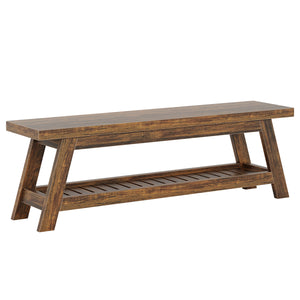
- Convertible shoe racks with seating, drawers, or modular stacking
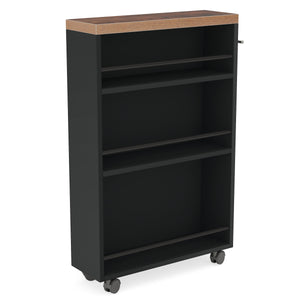
- Slim-profile vertical towers that maximize limited hallway or entryway space
Minimalist furniture has become a lifestyle choice, not just a necessity. Consumers increasingly seek products that reduce clutter while enhancing visual harmony, making multifunctional shoe rack designs especially attractive.

2. Wood and Metal Remain Top Material Choices
The DBMR report highlights wood, steel, plastic, and metal as the major material segments, with wood and metal retaining strong consumer appeal due to durability and aesthetics.
Material trends shaping 2026 include:
- Sustainable wood options (bamboo, FSC-certified lumber) gaining traction among environmentally conscious buyers
- Powder-coated metal frames offering longer life and resistance to humidity—a key concern in tropical regions
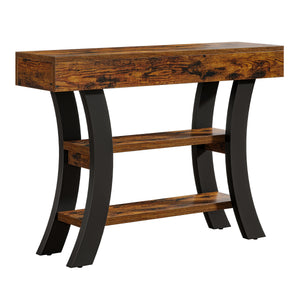
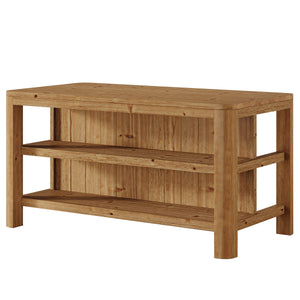
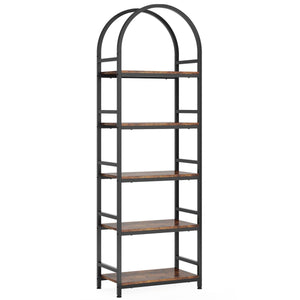
- Hybrid-material racks combining wood shelves with metal supports to balance strength and design
Plastic racks will remain relevant for budget-conscious consumers, but consumer preference is shifting toward products with higher durability and eco-friendly properties.

3. Online Sales Channels Overtake Traditional Retail
The DBMR report emphasizes the rapid rise of e-commerce as one of the strongest growth drivers. By 2026, online platforms are expected to surpass offline stores in total sales volume for shoe racks.
Contributing factors include:
- Consumer preference for fast, convenient home furniture delivery
- Better product visibility through photos, videos, and augmented reality (AR) previews
- Direct-to-consumer (DTC) brand expansion
- Price competition driven by marketplaces like Amazon, Wayfair, Flipkart, and Lazada
Smart logistics—such as flat-pack shipping, easy assembly, and free returns—will further accelerate online adoption.
|
Keyword Category |
Search Trend Strength |
Key Insight |
|
Material Preference |
★ Wooden Shoe Rack: Consistently High |
Wood is the top choice due to its natural and warm aesthetic. |
|
☆ Metal Shoe Rack: Stable |
Metal remains a steady choice for its durability and modern look. |
|
|
Function & Design |
★ Shoe Storage Bench: High & Stable |
Benches with shoe storage show strong, consistent demand, reflecting a preference for multifunctional furniture. |
|
★ Stackable Shoe Rack: High & Stable |
Stackable designs are popular for their flexibility and space-saving benefits, especially in smaller homes. |
|
|
☆ Wall-Mounted Shoe Rack: Moderate |
While search volume is lower, this trend has growth potential as it aligns with the need to save floor space. |
|
|
☆ Over the Door/Under Bed: Fluctuating but Important |
These hidden storage solutions see search spikes, particularly at the beginning of the year, indicating a desire for maximized, unseen storage. |
4. Growth of Organized Footwear Retail Drives Commercial Demand
Although the residential segment remains dominant, the DBMR segmentation shows growing commercial demand.
- High-capacity shoe display racks(over 40 pairs)
- Industrial-grade metal units
- Modular storage for backroom inventory
The expansion of branded footwear stores in developing regions, such as India, Indonesia, and parts of Africa, will fuel this growth.

5. Key Differentiators
Consumers increasingly treat shoe racks as part of home décor rather than purely functional storage.
Trends by 2026 will include:
- Color-customizable options
- Scandinavian-inspired minimalism
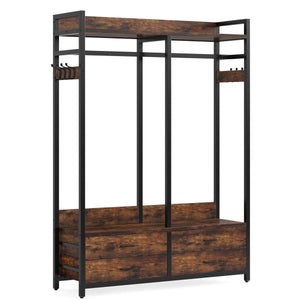
- Industrial-style metal + wood racks
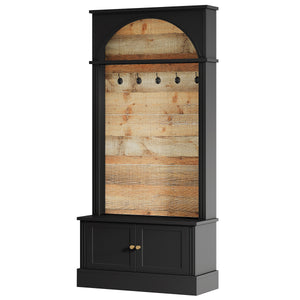
- Japanese-style hidden storage cabinets
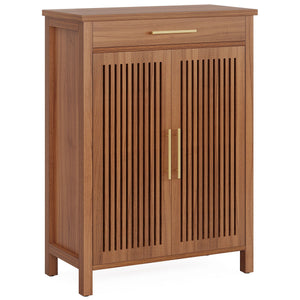
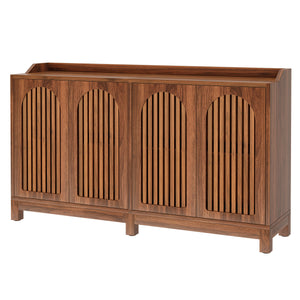
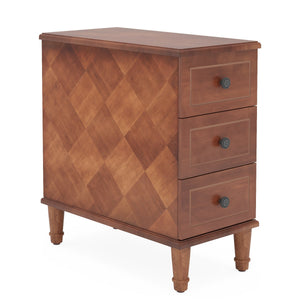
- Decorative shoe cabinets that match broader furniture sets
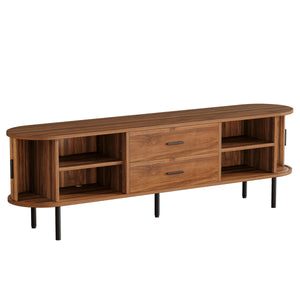
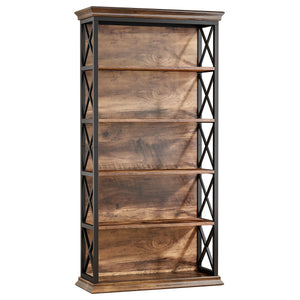
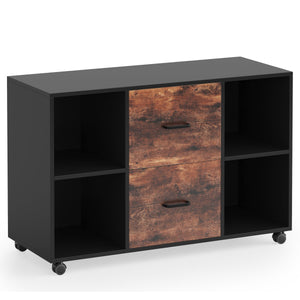
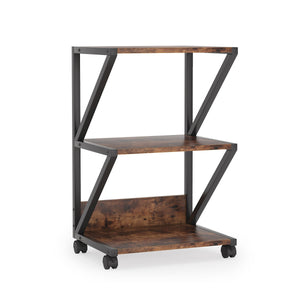
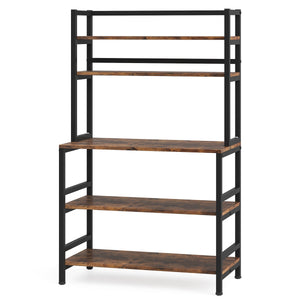
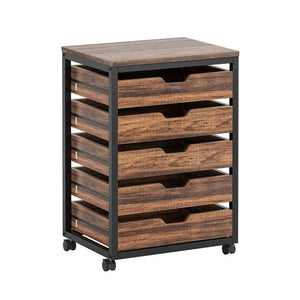
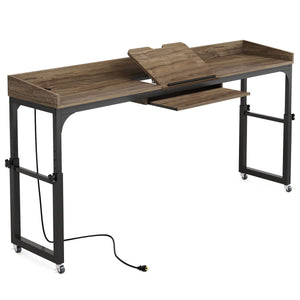
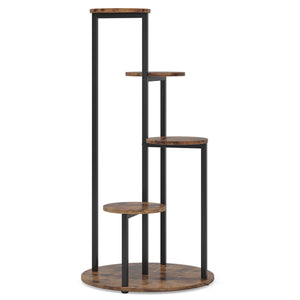
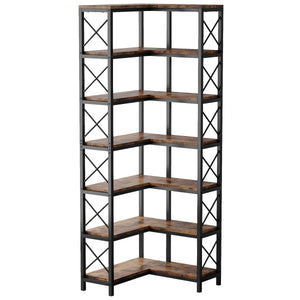
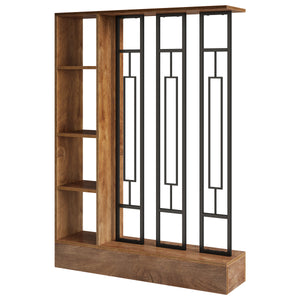
Industrial shoe cabinets combining metal frames with wood shelves, similar to designs popularized by brands like Tribesigns, will gain strong momentum because they offer durability, warmth, and a modern look.
Influence from social media platforms such as Instagram, Pinterest, TikTok, and Xiaohongshu will continue to drive aesthetic adoption.

Conclusion
By 2026, sustainability, regional growth, and competition will shape the shoe rack market together. Consumers increasingly expect eco-friendly materials, so brands use recycled plastics, reclaimed wood, and low-VOC finishes. Modular designs also help extend product lifespan.
At the same time, Asia-Pacific grows the fastest because dense cities, rising incomes, strong e-commerce, and higher footwear consumption increase demand for storage solutions. This growth strengthens the influence of manufacturers in China, India, and Southeast Asia. Competition also becomes tougher.
Low-cost producers drive price pressure, premium brands focus on design and function, and sustainability becomes a key way to stand out. Smaller brands using social commerce and flexible supply chains continue to disrupt the market.