





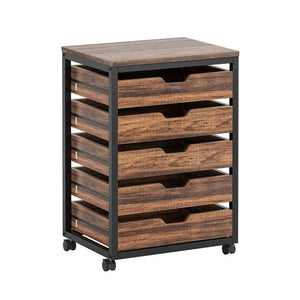
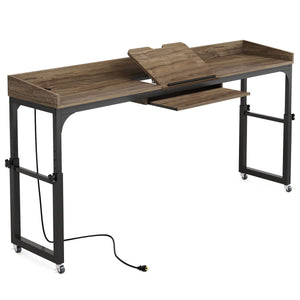
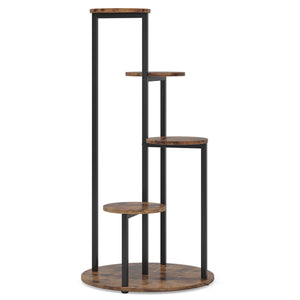
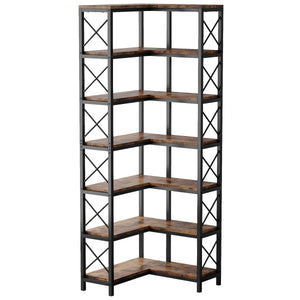
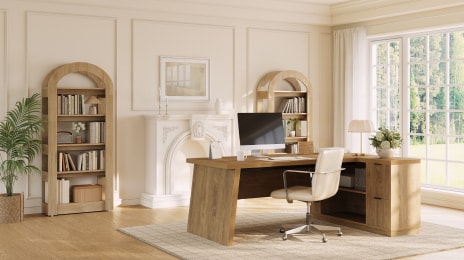




If you've ever wondered which home decor items you should use to bring more positive energy into your home and space, then this article is for you. Feng shui is the art of spatial arrangement. Here, we'll focus on feng shui guidelines for the living room. Learning how to rearrange living room furniture is very beneficial so that energy isn't blocked by huge sofas, heavy furniture, bulky decorations, or even too much small furniture—and worst of all, clutter.
Table of Contents
The Core of Feng Shui: Energy Flow
The key to good Feng Shui is positive energy flow, often referred to as "Chi." You might have heard phrases like, "This house has great energy," or "The energy feels off." Auspicious Chi—lucky energy—moves through your home in a meandering, flowing path. Inauspicious energy moves fast and in straight lines, which is considered sharp or negative energy, sometimes called "Sha Chi."
Feng Shui is the art of arranging your space. It's helpful to learn how to rearrange your furniture so that Chi isn't blocked by large sofas, heavy pieces, bulky items, or even too many small furnishings—and worst of all, clutter. The first step to introducing good Feng Shui into your home is to declutter. Get rid of anything that no longer serves a purpose, doesn't function well in your space, or doesn't feel inviting and inspiring. Make room for the items that matter most to you. Clutter causes energy to stagnate.
Chi should always have room to slow down, meander, gather, and accumulate. Good energy fills a room with vibrant, positive vibes—which is exactly what you want for your space. The goal is to achieve harmony and balance.
Here's how to energize every corner of your living space.

Step 1: Sketch Your Space
Grab a piece of paper and sketch the layout of your living room. The best way to apply Feng Shui is to focus on what you have and what you can change. There's no use stressing over things you can't control.
Divide the room into nine equal squares or zones. Don't worry if your room is L-shaped, open-concept, oblong, or irregular—just do your best to create a grid. Note any protruding corners or missing areas.
Step 2: Find the Center & Identify Directions
Stand in the center of your living room. Use a physical compass or the compass app on your phone. Note where North is.
I use true compass directions for this—rather than the front door method you might see elsewhere—because I find it more accurate and consistent.
Once you find North, fill in the other directions: South, East, West, Northeast, Southeast, Southwest, and Northwest. Mark them on your sketch.
Step 3: Activate Each Area
Now for the fun part. Each compass direction is connected to a specific element based on the Bagua map. You can boost the energy in each zone by placing decor that corresponds to its element.
East & Southeast – Wood Element
- This is the perfect spot for indoor plants and trees.
- A money plant is a classic choice for the Southeast corner.
- Keep your plants healthy! Remove dead or yellowing leaves. If a plant is struggling, revive it in another area, or replace it if it's dying.
- Everything in the East and Southeast should feel fresh and vibrant.
- If you don't have a green thumb, high-quality fake plants or silk flowers are a great alternative.
- Avoid dried flowers—they're considered dead energy.
- Auspicious plants and flowers include magnolias, peonies, orchids, chrysanthemums, bamboo, and plum blossoms.
- Steer clear of prickly plants like cacti or anything with thorns or sharp leaves.
West & Northwest – Metal Element
- Place metal decor here, like bells, sculptures, or metal frames.
- A wind chime with six or seven rods can activate this area.
- Important: Never hang a wind chime directly above where you sit. Metal overhead is seen as threatening—like a sword or knife from ancient times.
Southwest & Northeast – Earth Element
- Use objects made from the earth, like ceramics, pottery, and crystals.
- A cluster of natural quartz crystals works well here.
- Place these items in a bowl or tray and shine a light on them to enhance their energy.
- A large stone, a beautiful rock, or a landscape painting of mountains or earth would also be perfect.
- A marble statue or table is another great option.
- Burning incense here is also recommended, as the ash is an earth element.
South – Fire Element
- Think bright lights! Use table lamps, floor lamps, pendant lights, and even candles.
- A mirror in this area that reflects light can double the positive energy.
North – Water Element
- This is the place for aquariums, small tabletop fountains, or art depicting moving water like ocean waves.
- For an active living room, you want active, moving water.
- Still water, like a calm lake, represents more passive, resting energy.
- You're trying to bring in vibrant, positive energy, so focus on active water elements.

Additional Feng Shui Tips for Your Living Room
- Avoid Mirrors Facing the Front Door: Mirrors should not reflect the front door as it causes the energy (chi) to bounce right back out, essentially canceling out the good chi that enters.
- Water Features: Don’t place a water feature on the right-hand side of the front door—this is said to disrupt the balance of the home and, according to Feng Shui, could create disharmony.
- Focal Piece of Furniture: Make sure you have a focal point in your living room—whether it's a statement sofa or an eye-catching piece of art. This will draw chi toward it and encourage the energy to flow more freely through the room.
Living Room Furniture Placement - Keep it Simple
Command Position is Key: Place your main sofa so you can see the door, but not directly in line with it. This creates a sense of security and control.
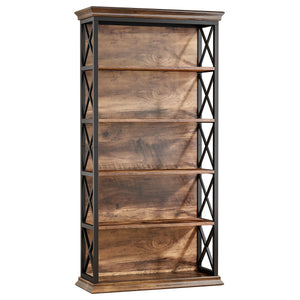
Solid Backing = Stability: Always have your sofa against a solid wall. This is your "mountain backing" for support. No wall? Use a tall bookshelf, or a large plant stand behind it instead.
Never Back the Door: Avoid having anyone sit with their back directly to the entrance. It creates unease and feels unsupportive.
Flow, Don't Block: Keep pathways between furniture clear. Avoid large, heavy pieces in the middle of the room that block energy movement.
Avoid Straight-Line Confrontations: Don't place sofas or chairs in two straight, opposing lines. This makes energy rush too fast and creates a tense atmosphere.
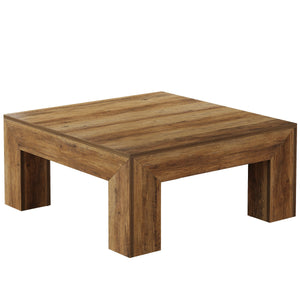
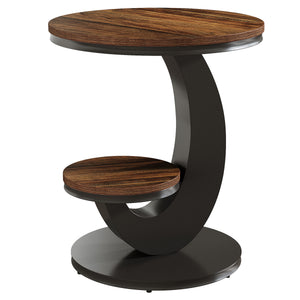
Choose Curves Over Corners: Round or oval coffee tables are great. They help energy flow smoothly and avoid the harsh "poison arrows" from sharp corners. (The reason for this is also for safety recommendations.)

Keep Center Open (Tai Chi Point): Keep the center of your living room open and uncluttered. This symbolizes balanced, stable energy for the whole home.
Create Conversation Areas: Arrange seating in a U or L-shape to foster connection, but don't close it off completely—leave space for energy to flow in.
Balance, Not Perfect Symmetry: Aim for visual balance with your furniture, but avoid perfect, rigid symmetry. A slightly relaxed balance feels more natural and modern.
Related read: