
Density fiberboard, also known as fiberboard, is a type of man-made board or composite board. Made from wood or other plant fibers, it's coated with urea-formaldehyde resin or other suitable adhesives. Depending on their density, they are categorized as high-density fiberboard (HDF), medium-density fiberboard (MDF or MDFB), and particleboard (low-density fiberboard).
Generally speaking, higher density is better. However, if environmental standards are taken into consideration, a comprehensive consideration is necessary, as higher density requires more glue. Let's discuss the specifics of MDF and HDF in detail, offering a detailed comparison.
What is MDF?
Medium-density fiberboard (MDF) is a common man-made board material made from wood fibers (such as pine and eucalyptus) that are crushed, dried, glued, and then pressed under high temperature and high pressure. Its density typically ranges from 600–800 kg/m³, and its uniform structure and fine surface finish place it somewhere between particleboard and high-density fiberboard (HDF).

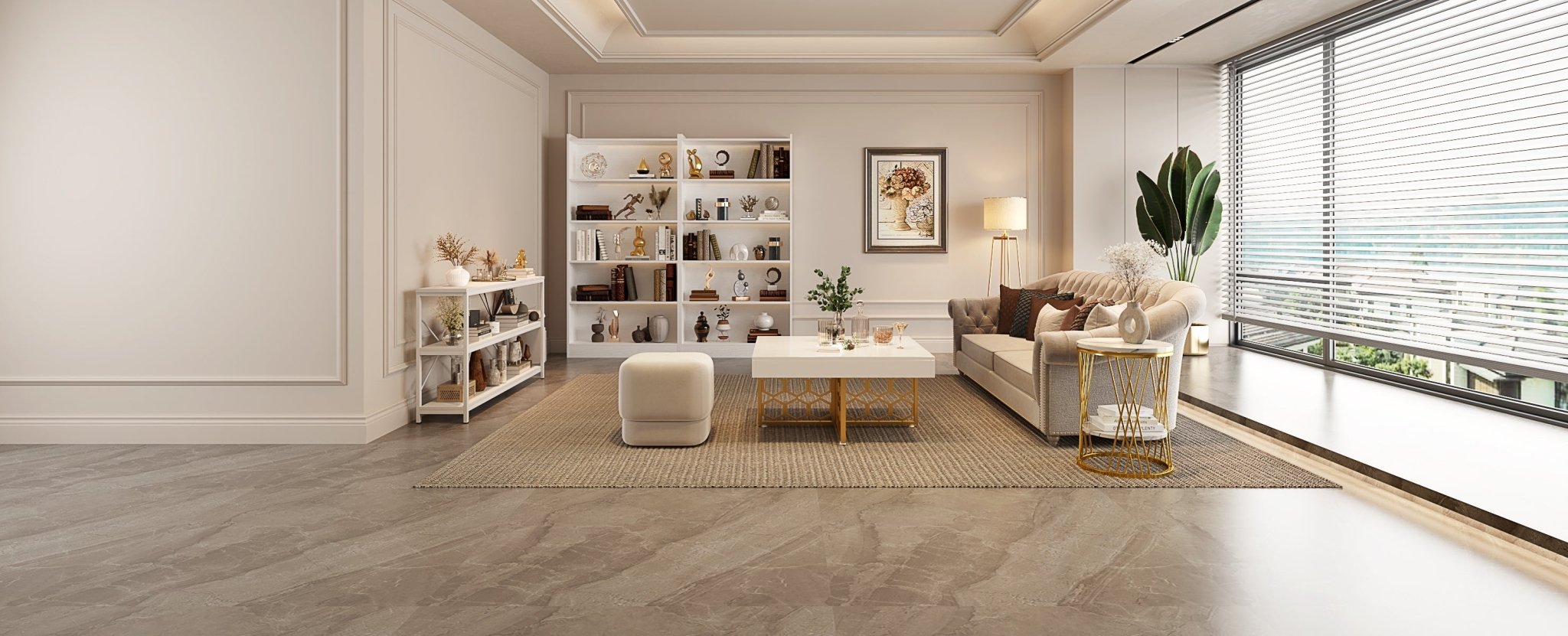
Internationally, the terms MDF and particleboard are sometimes used interchangeably, but strictly speaking, they are different: particleboard typically has a lower density, and plywood is not considered a fiberboard. Due to its uniform and fine texture, MDF is often used as a base material for furniture, flooring, door panels, and decorative panels, and is widely used in interior home furnishings.
Read more: MDF vs Plywood Furniture
The Core Advantages of MDF
1. Smooth and Even Surface – Ideal for Precision Finishing
MDF is manufactured with fine wood fibers, resulting in a uniform, smooth surface free from knots or grain irregularities. This makes it particularly suitable for painting, veneering, laminating, or CNC machining, where a flawless finish is essential. Compared to plywood or particleboard, MDF provides superior consistency in edge routing, engraving, or shaping.
2. High Dimensional Stability – Resistant to Warping and Cracking
Unlike natural wood, MDF has a homogeneous fiber structure that minimizes internal stresses. As a result, it is less prone to expansion, contraction, or cracking due to changes in temperature and humidity. This makes MDF a reliable choice for indoor furniture, cabinetry, and decorative applications, where maintaining shape over time is critical.
3. Excellent Environmental Performance
Modern MDF production often emphasizes low-emission, eco-friendly adhesives such as MDI resin. Premium MDF products can achieve E0 emission levels (≤0.05 mg/m³), far below the international E1 standard (≤0.124 mg/m³). This makes MDF a safe material for children’s furniture, bedrooms, and interior renovations where indoor air quality matters.
Eco-benefit: MDF uses wood fibers and residues that might otherwise be discarded, supporting sustainable resource utilization.
Safety benefit: With proper sealing and finishing, MDF panels release negligible emissions during use, making them eco-conscious and health-friendly.
4. Cost-Effective and Highly Versatile
MDF offers an excellent balance between cost and performance. Compared to solid wood, it is significantly more affordable, while still providing a wide range of finishing possibilities, such as matte, high-gloss lacquer, veneer, or wood-grain laminate.
Common Applications:
- Furniture: wardrobes, cabinets, bookshelves, office desks.
- Interior design: wall panels, skirting boards, door casings, ceiling trims.
- Commercial spaces: retail displays, exhibition stands, hotel interiors.
- DIY projects: decorative panels, shelving, hobby crafts.
5. Easy to Work With – Strong Machinability
Thanks to its fine fiber composition, MDF can be cut, drilled, or milled without chipping or splintering. It holds screws and fasteners well (especially with proper pre-drilling) and provides an ideal surface for adhesives and coatings. This machinability makes it a favorite material for custom furniture makers, interior designers, and DIY enthusiasts.
MDF Wood Disadvantages
1. Poor Moisture Resistance
One of MDF’s biggest drawbacks is its low resistance to water and humidity. Standard MDF easily absorbs moisture, leading to swelling, warping, or loss of structural strength. This makes it unsuitable for bathrooms, kitchens, or other damp areas.
2. Lower Load-Bearing Capacity Compared to Solid Wood
MDF is dense but not as strong as solid hardwood or high-quality plywood. Heavy loads can cause shelves to sag over time, especially with longer spans. This limits its use in structural furniture pieces like bed frames or heavy-duty bookshelves.
To address this issue, many modern furniture designs reinforce MDF with solid wood frames or metal supports, ensuring better stability and strength. Another common practice is to use MDF mainly for decorative panels or secondary components, while leaving the primary load-bearing structure to stronger materials. In shelving applications, it is also advisable to keep the span shorter—typically under 80 cm—to minimize bending and prolong durability.
3. Heavier Weight – Difficult to Handle in Large Panels
Because MDF is dense, large panels can be quite heavy, making handling and installation more challenging compared to plywood or particleboard. This can increase labor costs and make DIY projects harder for beginners.
4. Dust Generation During Cutting – Health Concerns
MDF contains fine fibers bonded with resin. When cut or sanded, it produces a large amount of fine dust that can irritate the respiratory system if inhaled.
5. Limited Moisture & Heat Resistance in Surface Finishes
Although MDF can take paint and laminate well, it is sensitive to heat and steam. Excessive heat may cause finishes to peel or surfaces to bubble, especially with low-quality laminates.
6. Environmental Considerations – Resin and Formaldehyde Content
While premium MDF can meet E0/E1 emission standards, lower-quality boards may release higher levels of formaldehyde from adhesives. This can be a concern for indoor air quality.
What is HDF Wood?
High-Density Fiberboard (HDF) is an engineered wood product made by tightly compressing wood fibers—often from hardwood or softwood residues—with resin and wax under high pressure and temperature. Its density typically falls between 800–1,000 kg/m³ (sometimes up to 1,100 kg/m³), making it significantly denser and stronger than Medium-Density Fiberboard (MDF). Because of its fine, uniform structure, HDF features a smooth surface ideal for painting, laminating, and precise machining.

The Core Advantages of HDF
1. Exceptional Strength & Durability
Due to its high density, HDF delivers superior structural integrity and long-term performance—making it ideal for high-wear applications like flooring, cabinetry, and furniture under frequent use.
2. Ultra-Smooth Finish
Made from finely processed fibers, HDF has an almost flawless surface with no visible grain. This smoothness enhances finishing options—from painting to veneers—delivering a premium aesthetic.
3. Better Moisture Resistance (Than MDF)
While not entirely waterproof, HDF offers improved resistance to moisture compared to MDF, reducing the risk of warping or deformation in moderately humid indoor environments.
4. Superior Dimensional Stability
HDF is less prone to movement due to changes in temperature and humidity, maintaining its shape without cracking or warping over time.
5. Versatile & Eco-Conscious
Easily machined and versatile in application—used in laminate flooring cores, door skins, furniture panels, and decorative wall cladding. Many manufacturers also use recycled wood fibers, supporting sustainability goals.
HDF Wood Disadvantages
1. Higher Cost
The manufacturing process for HDF is more complex and energy-intensive, making it more expensive than MDF or some plywood types.
2. Heavy & Hard to Handle
Its dense nature translates into heavier panels, which can complicate transportation, installation, and handling—especially in large formats.
3. Trim and Machining Challenges
HDF’s hardness makes it more difficult to drill, cut, or route, and there’s a higher risk of chipping or splintering if not handled with precision tools and techniques.
4. Limited Thickness for Molding
HDF is often thinner than MDF, which limits its use in applications like complex trim, baseboards, or skirting.
5. Still Moisture Sensitive in High-Humidity Areas
Although better than MDF, HDF still risks swelling or damage if exposed to prolonged moisture—so it’s not recommended for wet areas unless properly sealed.
6. Some Contains Formaldehyde Resins
As with many engineered wood products, lower-grade HDF may emit formaldehyde over time. Look for low-emission, CARB-compliant, or formaldehyde-free options when indoor air quality is a concern.
The Difference Between HDF and MDF
At first glance, HDF (High-Density Fiberboard) and MDF (Medium-Density Fiberboard) may look similar, since both are engineered wood products made by pressing wood fibers with resin under heat and pressure. But the differences in density, strength, durability, and cost make them suitable for very different applications.

1. Density & Strength
MDF: Density of 600–800 kg/m³, stable and easy to work with, but not as strong as solid wood.
HDF: Density of 800–1,100 kg/m³, significantly stronger and harder, offering higher load-bearing capacity and durability.
HDF is denser and more durable, while MDF is lighter and easier to machine.
2. Moisture Resistance
Standard MDF swells when exposed to water, though moisture-resistant MDF (MR MDF, often green core) is available.
HDF Naturally offers better moisture resistance than MDF, but it is still not waterproof—sealing or laminating is required for damp areas. Neither is ideal for constant water exposure.
3. Workability & Machining
MDF: Softer, easier to cut, drill, and shape; ideal for detailed carvings, moldings, and furniture panels.
HDF: Much harder; machining requires stronger tools and precision. While durable, it can chip or blunt tools if not handled properly.
MDF is more DIY-friendly, while HDF suits professional or industrial use.
4. Surface Finish & Aesthetics
MDF: Smooth, uniform surface that takes paint, veneers, and laminates very well. Commonly used in decorative panels and interior furniture.
HDF: Even smoother and denser surface—ideal for laminate flooring cores, high-end cabinetry, and door skins where durability and finish matter.
5. Cost & Availability
MDF: Less expensive, widely available, and cost-effective for large-scale projects.
HDF: More expensive due to its higher density and energy-intensive production process.
6. Common Applications
MDF: Furniture (wardrobes, cabinets, bookshelves), decorative wall panels, moldings, and interior design.
HDF: Flooring (laminate core layer), heavy-duty cabinetry, doors, high-traffic furniture, commercial interiors.
|
Category |
MDF (Medium Density Fiberboard) |
HDF (High Density Fiberboard) |
|
Density |
600–800 kg/m³ |
800–1,100 kg/m³ |
|
Strength |
Stable but less load-bearing; shelves may sag under heavy weight |
Stronger, harder, and more durable; better for high-wear use |
|
Moisture Resistance |
Standard MDF swells with water; MR MDF available for improved resistance |
Naturally better than MDF, but still not waterproof |
|
Workability |
Easy to cut, drill, and machine; DIY-friendly |
Harder to machine, requires stronger tools; more professional use |
|
Surface Finish |
Smooth, great for paint, veneer, laminates |
Even smoother and denser; ideal for flooring, doors, cabinetry |
|
Cost |
More affordable, widely available |
More expensive due to higher density and processing |
|
Weight |
Lighter than HDF, easier to handle |
Heavier, harder to transport and install |
|
Applications |
Furniture, cabinets, decorative panels, wall cladding |
Flooring cores, high-end cabinetry, doors, commercial interiors |
|
Lifespan |
Long-lasting with proper care, but less durable in humid conditions |
Longer-lasting, more resistant to wear, suitable for heavy-duty use |
As the table shows, MDF and HDF each serve different needs. MDF is more affordable, easier to work with, and widely used in everyday furniture and decorative applications. HDF, on the other hand, offers higher density and strength, making it a better choice for flooring cores, doors, and heavy-duty cabinetry.
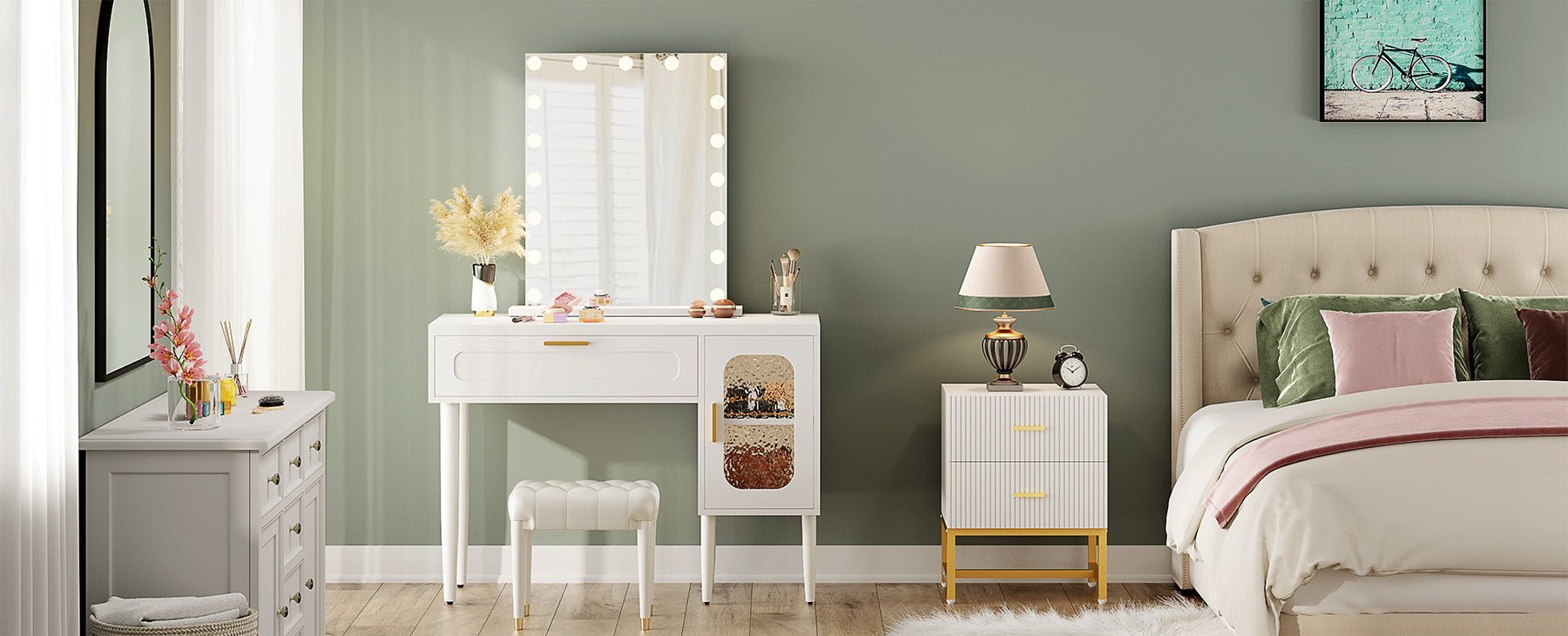
At Tribesigns, many of our furniture designs make smart use of MDF panels because of their smooth finish, versatility, and cost-effectiveness—allowing us to create stylish, space-saving pieces that balance quality and value. When reinforced with solid wood or metal supports, MDF performs reliably in daily use while keeping furniture accessible to more households.