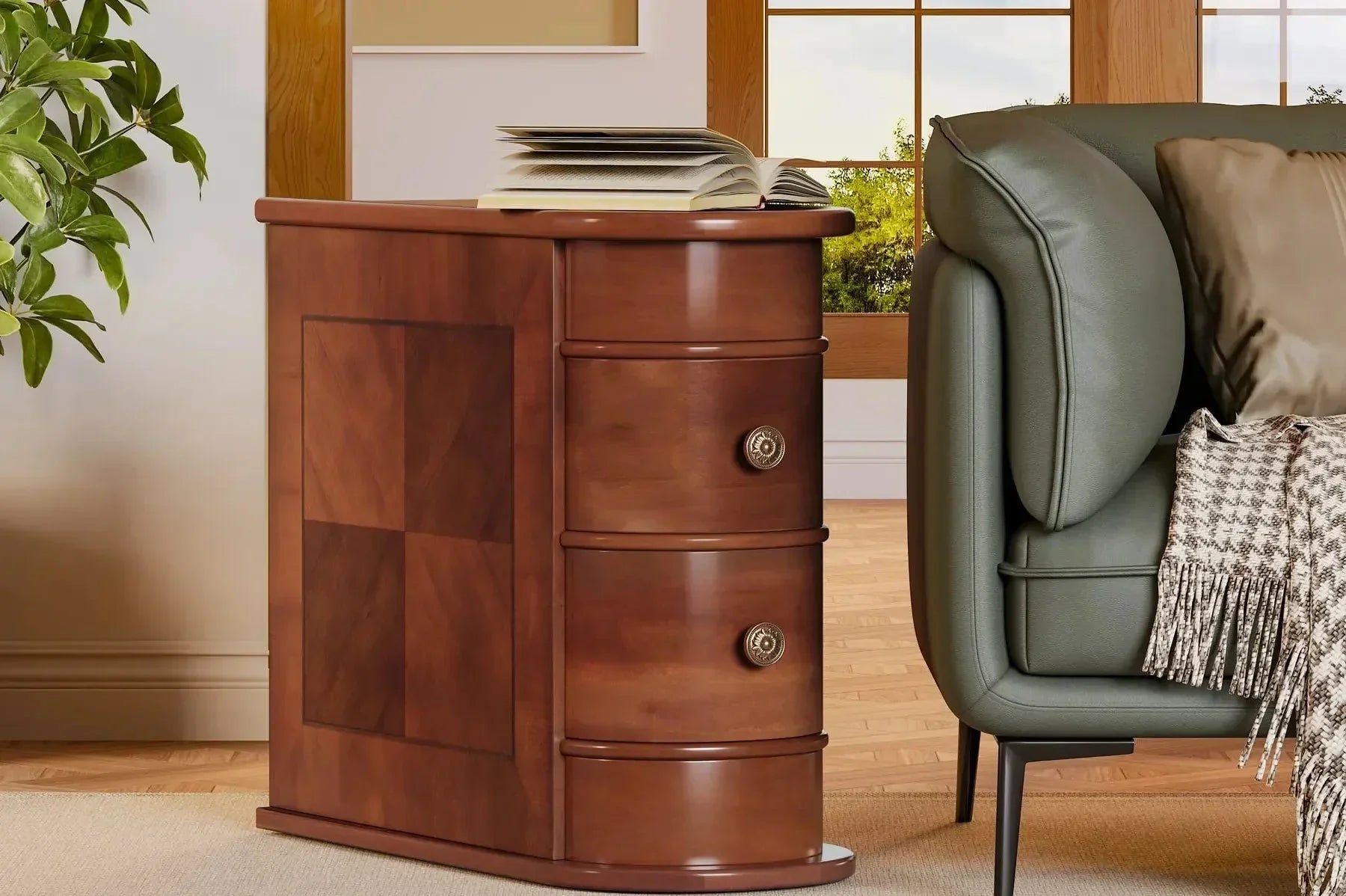

As the centerpiece of living room design, coffee tables serve both functional and aesthetic purposes. This comprehensive guide combines ergonomic principles, interior design expertise, and practical maintenance tips to help you make informed decisions.
1. What is the 2/3 Rule For Coffee Tables?
The 2/3 rule is a classic guideline for ensuring your coffee table complements your sofa in terms of size and visual balance. Here’s how to apply it:
Height: Your coffee table should be 1-2 inches lower than the height of your sofa seat. The standard height for most sofas is between 16"-18", so your coffee table should typically be around 14"-16" tall.
Clearance: Maintain a clearance of 12"-18" between the coffee table and your seating area. This ensures easy access to the table and prevents the space from feeling cramped.
Table Length: The length of your coffee table should be approximately ⅔ of the length of your sofa. For example, if your sofa is 72 inches long, your coffee table should be around 48 inches long. This proportion helps maintain visual balance and prevents the table from overwhelming the space.

2. Coffee Table Material
The material of your coffee table is an important consideration, as it affects both the table's durability and its aesthetic appeal. Here are some common materials used in coffee tables, their strengths, weaknesses, and the best design styles they suit:
| Material | Durability | Maintenance | Best For |
|---|---|---|---|
| Solid Wood | ★★★★☆ | Seasonal polishing and occasional touch-ups | Traditional/Scandinavian interiors |
| Tempered Glass | ★★★☆☆ | Regular wiping to remove fingerprints and dust | Modern spaces/Light enhancement |
| Metal with Stone | ★★★★★ | Light dusting or occasional cleaning | High-traffic areas/Industrial style |
| MDF (Medium-Density Fiberboard) | ★★★☆☆ | Wipe with a damp cloth, avoid excessive moisture | Budget-friendly options/Modern styles |
| Rattan/Wicker | ★★★☆☆ | Gentle cleaning with a brush | Bohemian, coastal, or tropical decor |
| Concrete | ★★★★★ | Minimal maintenance; dusting, avoid staining | Industrial, urban, contemporary designs |
3. Shape Psychology in Furniture Design
The shape of your coffee table can significantly influence a room's flow, balance, and feel. Here’s how different shapes affect your space:
- Round/Oval: Promotes conversation, ideal for homes with children
- Square: Maximizes surface area, best for large rooms
- Organic Forms: Create visual interest in minimalist spaces
Round/Oval
Round and oval tables are perfect for creating a welcoming atmosphere, especially in homes with children. Their soft, curved lines promote connection and encourage interaction, making them ideal for spaces where conversation is a priority. These shapes work well in smaller rooms, as they help maintain easy flow and movement. However, they do offer less surface area compared to square or rectangular tables, so they might not be the best choice if you need more functional space for items like drinks or decor.
Square
Square coffee tables provide symmetry and balance, creating a grounded look in larger spaces. Their equal-length sides maximize surface area, making them ideal for rooms where extra space is needed for drinks, decor, or other items. These tables work well in more formal or spacious rooms, offering both functionality and style. However, in smaller or more relaxed spaces, square tables can feel too rigid and disrupt the natural flow of the room.
Organic Forms
Organic-shaped coffee tables, with their free-flowing, asymmetrical designs, add a unique and creative touch to any space. These shapes evoke a sense of nature and calm, making them perfect for minimalist or contemporary interiors where visual interest is key. Organic forms act as statement pieces, bringing dynamic energy to a room. However, they may not fit well in traditional settings and can be challenging to integrate into more classic, structured spaces.
4. Functional Enhancements
Modern coffee tables come with more than just good looks. Smart features can make a big difference in both functionality and space efficiency. Here are some of the key functional enhancements to consider:
- Lift-top mechanisms for dining/work surfaces
- Built-in storage compartments (ideal for remotes/magazines)
- Convertible designs with adjustable heights
Designer Insight: For studio apartments, choose tables with waterfall edges and offset shelves to maximize vertical space.

5. Style
The style of your coffee table is just as important as its functionality. It should complement the overall aesthetic of your room while still meeting practical needs. Here are some popular styles and the elements that make them work:
-
Mid-Century Modern: This style is known for its clean lines, tapered legs, and warm wood finishes. Coffee tables in this style often feature walnut or oak finishes, bringing a sense of elegance and retro charm to any room. Pair them with minimalist furniture and bold accent pieces for a cohesive look.
-
Industrial: For a more rugged, urban feel, industrial-style coffee tables combine metal frames with materials like reclaimed wood. This style often incorporates raw finishes and exposed hardware, adding texture and character to the space. Pair it with leather or metal furniture for a cohesive industrial vibe.
-
Coastal: Coastal style embraces natural, airy elements, often using woven materials like rattan or wicker. Coffee tables in this style typically feature light wood tones, soft textures, and an overall relaxed feel. Perfect for a beach-inspired living room, pair with soft blues, whites, and plenty of natural light.

6. Coffee Table Color
Here’s a quick reference guide to help you choose the perfect color for your coffee table based on the atmosphere you want to create:
| Color | Visual Effect | Ideal for |
|---|---|---|
| Neutral Tones (e.g., white, black, gray, beige) | Creates a calm, balanced, and adaptable atmosphere. | Almost any room style, from modern to traditional. |
| Bold Colors (e.g., navy, emerald, mustard) | Adds energy, creativity, and makes a bold statement. | Modern, eclectic, or bohemian interiors. |
| Wood Finishes (e.g., walnut, oak, maple) | Brings warmth, texture, and natural charm. | Rustic, traditional, and Scandinavian designs. |
| Metallic Finishes (e.g., gold, silver, brass) | Adds sophistication, luxury, and elegance. | Glamorous, industrial, or contemporary spaces. |
Read more: What Color Coffee Table Goes Best with a Gray Couch?
7. Mantenance Protocols
Preserve your investment with proper care:
- Wood surfaces: Use coasters and avoid direct sunlight
- Glass tops: Clean with vinegar solution weekly
- Upholstered elements: Vacuum weekly with brush attachment
8. Synthesizing Form and Function
As the architectural anchor of living spaces, coffee tables transcend mere utility to become sculptural statements that orchestrate room dynamics. The ideal selection harmonizes three core principles:
-
Ergonomic Intelligence
- Height differentials (16"-18" sofa-to-table ratio) ensure comfortable reachability
- Clearance zones (12"-18") maintain spatial flow while enabling interaction
-
Material Synergy
- Wood's warmth balances modern interiors when paired with metallic accents
- Glass surfaces amplify light diffusion in compact spaces
-
Adaptive Design
- Convertible mechanisms (lift-tops, adjustable heights) address multifunctional needs
- Organic shapes soften geometric room layouts while maintaining utility
Emerging Trends (2025-2026)
| Innovation | Technical Advantage | Design Application |
|---|---|---|
| Smart Surface Coatings | Anti-fingerprint nanotechnology | Maintains pristine glass/metal finishes |
| Modular Connector Systems | Magnetic attachment points | Enables tabletop customization |
"A coffee table should function like a skilled conductor – invisibly orchestrating spatial relationships while allowing individual design elements to shine."
9. Ultimate Selection Checklist
When choosing the perfect coffee table, a few simple checks can help ensure that you’re investing in a piece that’s not only stylish but durable and functional. Here’s a quick checklist to make sure you’re getting the best quality:
Verify Stability: Perform the 45-degree push test to ensure the table stays stable under pressure. A well-built coffee table should not wobble or tip easily.
Edge Radiusing: Check the edges of the table. A minimum 0.25" curvature will ensure that there are no sharp edges, making the table safer, especially in homes with children.
Weight Capacity: Premium models should be able to hold at least 50 lbs. Make sure the table can handle the weight of your decor, drinks, and any other items you plan to place on it.