





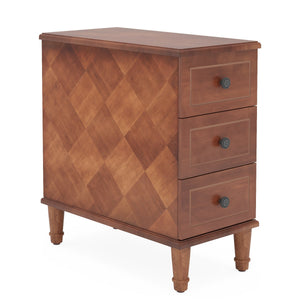
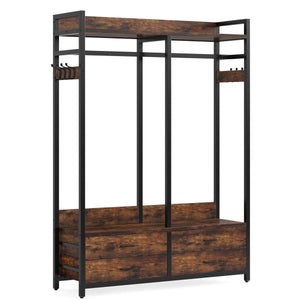
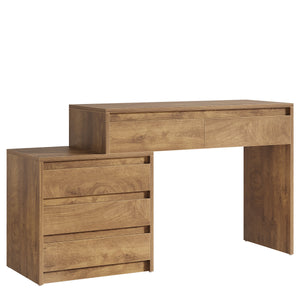
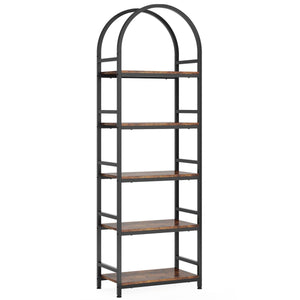
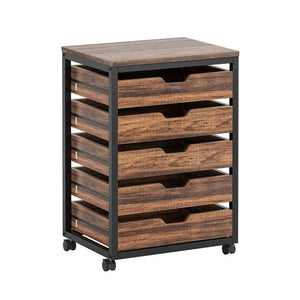
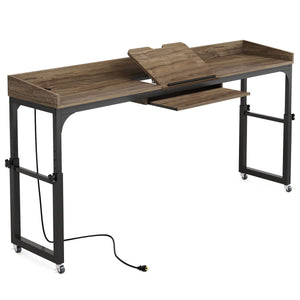
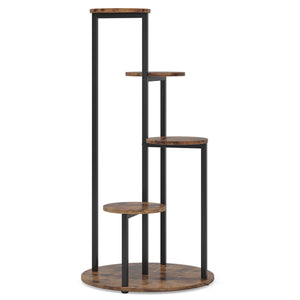
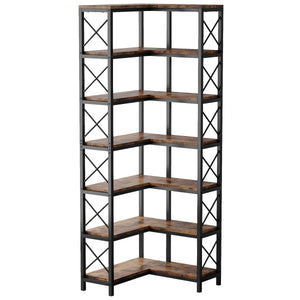




Walk into any furniture store or scroll through home decor websites, and you’ll likely encounter two terms that seem interchangeable at first glance: end tables and side tables. Many homeowners, even seasoned decorators, pause when trying to choose between them. Is it just a matter of semantics, or is there a real distinction? The truth is, while they share some similarities—both are small, versatile pieces designed to hold items and enhance a room’s functionality—they serve distinct purposes in home design.
Understanding the difference can help you make smarter choices when furnishing your space, ensuring each piece works harmoniously with your layout, lifestyle, and aesthetic goals. Let’s break down what sets them apart.
Table of Contents
- What Is an End Table?
- What Is a Side Table?
- Key Differences Between End Tables and Side Tables
- Can End Tables and Side Tables Be Used Together or Interchangeably?
What Is an End Table?
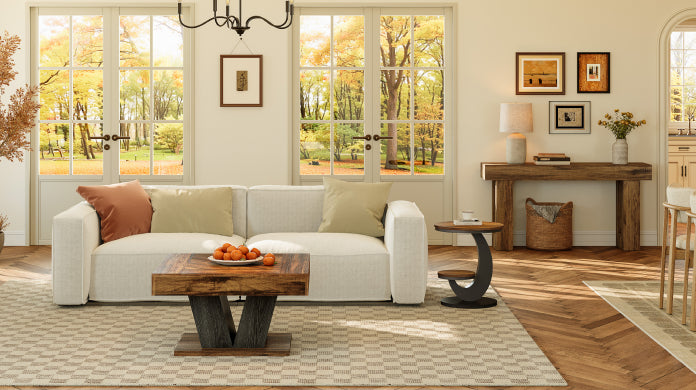
An end table is a compact, low-profile piece of furniture specifically designed to complement seating, most commonly sofas or armchairs. Think of it as the “right-hand man” to your favorite lounging spot. Its primary role is to provide a convenient surface within arm’s reach for everyday items: a coffee mug, a book you’re midway through, a TV remote, or a small potted plant.

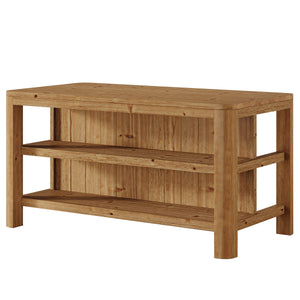
End tables typically feature a solid, stable surface—often square, round, or rectangular—and may include a lower shelf or a small drawer for extra storage (though this isn’t mandatory). Their design tends to be streamlined and functional, prioritizing practicality over bold statements. Materials range from wood (oak, walnut, or painted MDF) to metal, glass, or even woven rattan, but they’re almost always crafted to blend seamlessly with the style of the adjacent seating. For example, a mid-century modern sofa might pair with an end table featuring tapered legs and a warm wood finish, while a contemporary sectional could complement a sleek, glass-top end table with metal accents.
What truly defines an end table is its proximity to seating and its role as a support piece. It’s not meant to stand alone in a hallway or entryway; instead, it thrives in living rooms, family rooms, or reading nooks, where it’s positioned to serve someone sitting down.
What Is a Side Table?
A side table is a more versatile, adaptable piece that isn’t tied exclusively to seating. While it can certainly sit next to a sofa or chair (much like an end table), its design and functionality allow it to thrive in a variety of spaces throughout the home. Think of it as a “utility player” that can step in wherever a small surface is needed.
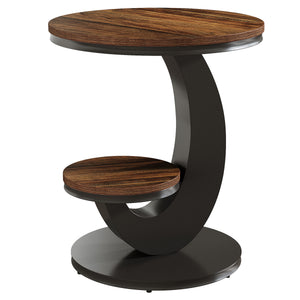
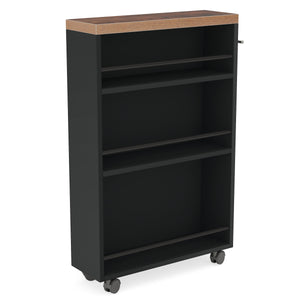
Side tables often have a more flexible design than end tables. They may be taller, slimmer, or more sculptural, with features like curved edges, unique bases, or multi-tiered surfaces. Unlike end tables, which prioritize stability for daily use, side tables might prioritize portability or style—some even come with casters for easy movement.

Functionally, side tables excel in spaces beyond the living room. You might find one in a bedroom, flanking a bed as a space-saving alternative to a nightstand, or in a hallway, holding a table lamp and a stack of mail. In dining areas, a narrow side table could serve as a temporary buffet for appetizers, while in home offices, it might hold a printer or extra office supplies. Their materials are also more varied: you might see a rustic side table made of reclaimed wood in a farmhouse entryway, or a glossy acrylic side table adding a modern touch to a bedroom corner.
The key to a side table is its adaptability. It’s not confined to one role or room, making it a go-to choice for homeowners who value flexibility in their furniture.
Key Differences Between End Tables and Side Tables
Now that we’ve defined each piece, let’s dive into their core differences—from size to style—to help you choose the right one for your space.

Size Matters
End tables are compact, designed to tuck neatly beside seating. Most range from 16 to 24 inches in height—aligning roughly with a sofa arm (24 to 30 inches high)—for easy access to drinks or remotes. Their width and depth (18 to 24 inches) keep them from overwhelming the area, fitting snugly between furniture or walls.
Side tables vary widely in size. They can be as short as 12 inches (for footrest companions) or over 30 inches (as mini bars or displays). Widths and depths fluctuate too: a 12-inch-deep narrow model works for hallways, while a 30-inch-wide sturdier version holds larger items like board games. This variability lets them fit their function, not just a specific furniture piece.
Related read: How Tall Should an End Table Be?
Placement
End tables belong flanking seating—at sofa ends, beside armchairs, or between loveseats. Positioned for arm’s-reach access, they hold relaxation essentials: wine glasses, phones, or magazines. They’re part of a cohesive seating arrangement, never standalone in hallways.
Side tables thrive in unexpected spots. Beyond seating, they work in hallways (with lamps and mail), bedrooms (as nightstand alternatives), dining areas (temporary buffets), or offices (holding printers). Their placement follows need, not tradition—filling gaps or serving daily demands.
Style and Functionality
End tables prioritize harmony, blending with adjacent seating. Finishes and silhouettes mirror sofas or chairs (e.g., mid-century legs with a modern sofa). Function is simple: a surface for essentials, plus optional storage (drawers/shelves) to hide clutter. They’re practical workhorses that blend in.
Side tables embrace personality, acting as focal points with bold bases, marble tops, or vibrant colors. Functionally versatile, they may have magazine racks, adjustable heights, or be lightweight for easy moving. A side table can hold a lamp in the morning and become a snack station by night, shifting with your routine.
In summary, end tables are reliable, space-conscious seating companions, while side tables are flexible, style-forward multitaskers. Understanding this helps you pick pieces that look great and work with your lifestyle.
Can End Tables and Side Tables Be Used Together or Interchangeably?
Yes.
End tables stick to their lane: flanking sofas or chairs, holding drinks, remotes, or books within arm’s reach. Side tables handle the extras: a hallway spot for keys and a lamp, a bedroom corner as a mini nightstand, or a dining area backup for appetizers. Together, they layer function and style—no overlap, just smart teamwork.
Swap them? Sometimes.
End table as a side table: Works if it’s compact (under 18 inches wide). A slim round end table fits a narrow hallway, holding mail or a small plant. Skip anything over 24 inches wide—it’ll block walkways.
Side table as end table: Good if it’s low (16–24 inches tall, matching your sofa arm height). A sturdy, 20-inch model with a solid top (no wobbly parts) makes drinks easy to grab. Avoid tall ones (over 28 inches)—stretching for your coffee is a hassle.
Still wondering how to mix end & side tables? Let our collection inspire you. With 94+ designs, there’s a fit for every room. Shop Tribesigns table now—your space’s upgrade starts here.
Read more: What is the Difference Between a Coffee Table and an End Table?