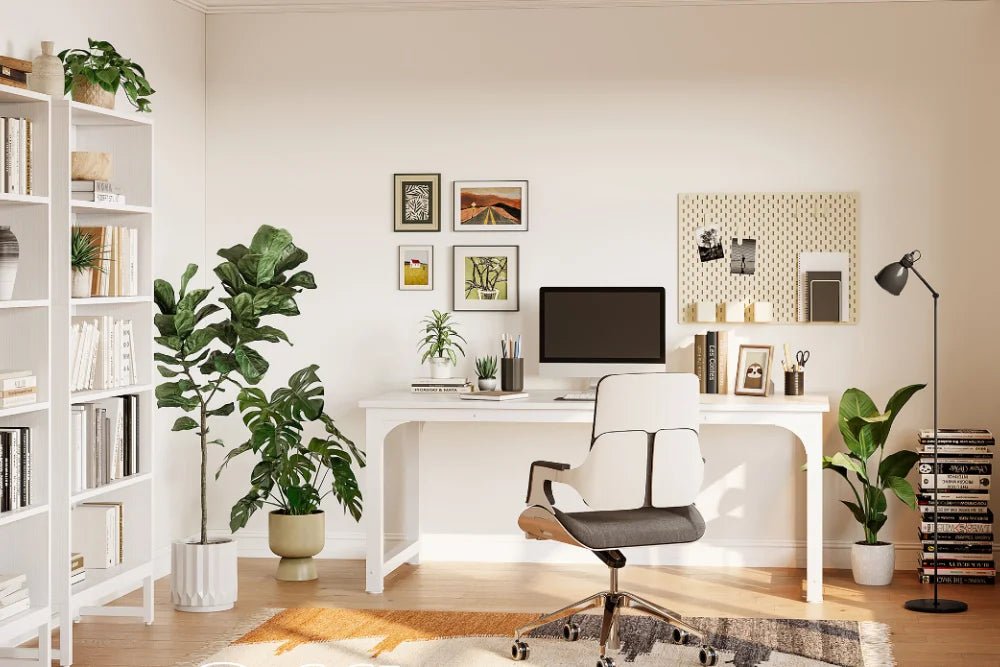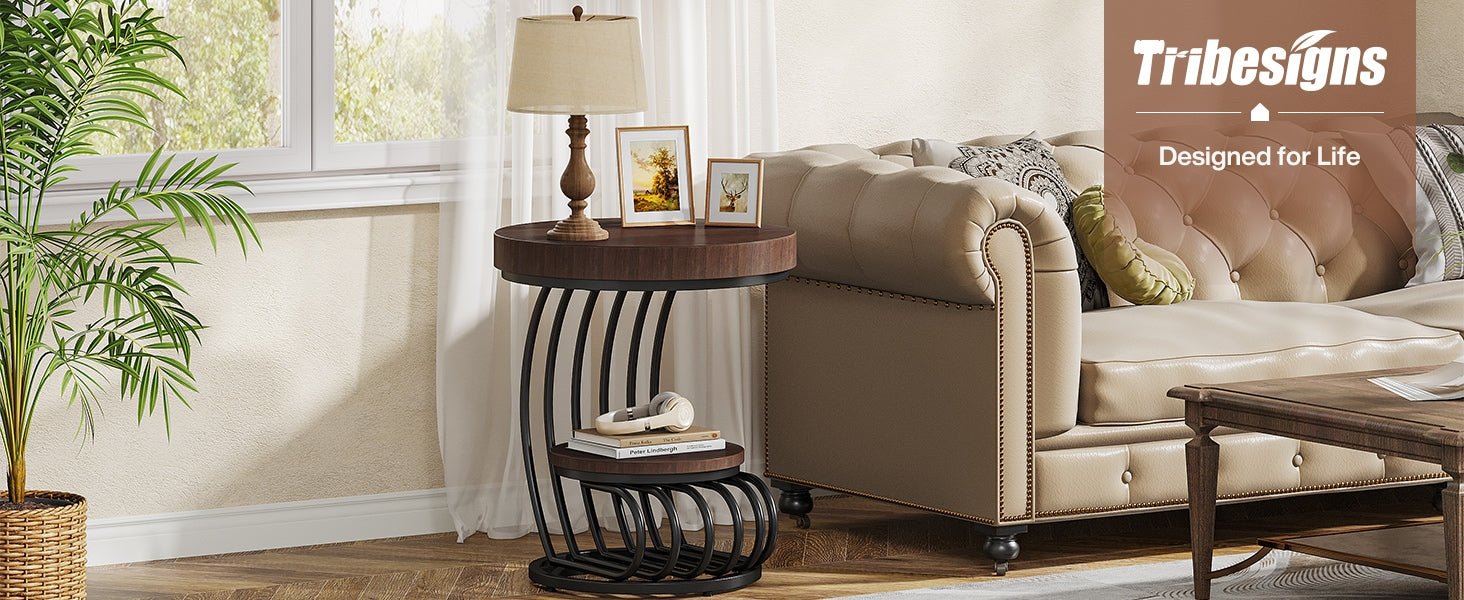

Engineered wood, often referred to as engineered wood or artificial board in Chinese, is an indispensable material in modern furniture and architecture. Rather than a single natural board, it is a composite material made from raw wood materials (such as wood chips, sawdust, and wood fiber) through mechanical processing, gluing, and lamination.
Compared to solid wood, it is more stable and economical, with better control over its size and performance. It also maximizes wood resources and reduces waste. Today, it can be found in everything from budget furniture to high-end custom homes, from flooring to wall decorations.
What Is Engineered Wood?
Engineered wood refers to a broad category of wood-based materials that are manufactured by binding or fixing strands, particles, fibers, or veneers of wood together with adhesives under heat and pressure. Instead of being cut directly from a single tree trunk like solid wood, engineered wood is a composite product—designed to improve strength, dimensional stability, and resistance to warping or cracking.

Key characteristics of engineered wood include:
Dimensional stability – Less prone to shrinkage or swelling due to changes in humidity.
Efficient use of raw materials – Uses smaller pieces of wood, wood waste, or fast-growing species, maximizing sustainability.
Versatility – Available in different grades, thicknesses, and surface finishes to suit everything from structural applications to fine furniture.
Cost-effectiveness – Generally more affordable than solid hardwood, with consistent quality and size.
Pros and Cons of Engineered Wood
Pros
- Enhanced Stability – Resists warping, cracking, and shrinking better than most solid woods, making it ideal for varied climates and indoor environments.
- Resource Efficiency – Maximizes the use of wood by incorporating small pieces, sawdust, or recycled fibers, reducing waste.
- Wide Design Options – Can be finished with veneers, laminates, or paint, offering styles that mimic premium hardwoods at a fraction of the cost.
- Consistent Quality – Manufactured to uniform thickness and strength, simplifying construction and installation.
- Affordability – Usually less expensive than solid hardwood while offering similar or even superior performance in certain applications.
Cons
- Moisture Sensitivity – Many types, especially MDF and particle board, can swell or lose strength if exposed to water for prolonged periods.
- Lower Lifespan in Heavy-Use Areas – Some engineered woods may not match the durability of high-grade solid hardwood under extreme wear and tear.
- Chemical Content – May contain adhesives that release small amounts of formaldehyde or other VOCs; quality and emissions depend on the manufacturer’s standards.
- Limited Refinishing – Unlike solid wood, most engineered wood can’t be sanded and refinished multiple times.
- Weight – High-density options like HDF and LVL can be heavier and harder to handle during installation.
In the furniture industry, engineered wood has become a go-to choice because it can be cut, shaped, and finished with precision while offering a range of aesthetic options, from wood veneers that mimic natural grain to laminates in modern colors and patterns.
Types of Engineered Wood
The furniture market uses a variety of engineered wood materials, each with its own composition, performance, and ideal applications. Below is a detailed comparison of the 10 most common types:

1. Laminated Veneer Lumber (LVL)
LVL is made by bonding multiple thin layers of wood veneer, all with their grain running in the same direction. This alignment gives it excellent load-bearing and bending strength, along with superior stability compared to solid wood. Think of it as the “rebar” of wooden structures—it’s often used in dining table frames, sofa skeletons, and the support beams of large cabinets. While pricier than particle board, its durability and consistency make it a favorite for high-end furniture construction.
2. Laminated Strand Lumber (LSL)
LSL is created by compressing long wood strands coated with adhesive under heat and pressure. The result is a dense, uniform material—imagine a “wooden meatloaf,” but built for strength. Its smoothness isn’t its selling point, so it’s usually finished with veneer or paint. Behind the scenes, it works hard in wardrobe posts, bookshelf supports, and other hidden structural components.
3. Oriented Strand Board (OSB)
OSB is composed of wood strands laid out in alternating directions, then pressed into large, strong panels. It’s affordable, dimensionally stable, and comes in big sizes, making it ideal for wardrobe backs, bed bases, and temporary structural parts. The surface is rough and visually busy, so in furniture it’s typically covered with laminate, veneer, or paint for a finished look.
4. Plywood
A classic in the engineered wood family, plywood is made by gluing together multiple veneer layers with their grain running perpendicular to each other. This cross-lamination gives it exceptional stability and resistance to warping. It can be finished smoothly or topped with a natural wood veneer, making it suitable for visible pieces like cabinet doors, tabletops, and wall panels. In high-quality furniture, plywood is often the go-to base for its balance of strength, workability, and appearance.
5. Medium-Density Fiberboard (MDF)
MDF is produced by combining fine wood fibers with resin and pressing them into dense sheets. Its surface is silky smooth, perfect for painting or laminating. Affordable and easy to machine, MDF is popular for cabinet doors, shelves, and decorative moldings. The downside: it swells when exposed to moisture, so it’s best kept away from sinks, bathrooms, or any high-humidity space.
MDF is a go-to choice for painted furniture, cabinet doors, and decorative panels thanks to its smooth surface and easy machinability. For example, our Tribesigns shoe racks and console tables use premium thickened MDF for a flawless finish and enhanced durability.
6. Particle Board
Made from wood chips, sawdust, and adhesive pressed into sheets, particleboard is lightweight, inexpensive, and widely used in budget furniture. You’ll find it inside desk tops, bookshelf panels, and wardrobe interiors. It performs well in dry, indoor environments but has low strength and poor moisture resistance, so it’s not built for heavy loads or damp conditions.
7. High-Density Fiberboard (HDF)
HDF is like MDF’s tougher sibling—denser, harder, and more impact-resistant. It’s commonly used as a flooring substrate, for high-load countertops, and for sturdy cabinet doors. It offers better moisture resistance than MDF, though it’s also heavier and more expensive. In custom furniture, HDF is often chosen when durability is a top priority.
8. Composite Board
Composite board is a “hybrid” material, blending different cores such as MDF, particle board, or even wood-plastic composites. This allows manufacturers to fine-tune its properties for specific needs, like enhanced water resistance, insect resistance, or reduced weight. It’s versatile enough for both outdoor patio furniture and indoor multifunctional cabinets, though quality depends heavily on the manufacturing process.
9. Cross-Laminated Timber (CLT)
CLT is essentially a super-thick version of plywood, made from solid timber boards stacked in layers, each oriented at 90 degrees to the last. Its strength is so impressive it’s used in whole building structures. In furniture, CLT often appears in oversized tabletops, long benches, or architectural room dividers. The solid wood look and natural grain make it a favorite in high-end, raw-wood style interiors.
10. Parallel Strand Lumber (PSL) / I-Joists
PSL is built by aligning long wood strands in parallel, bonding them under pressure to create a structural material with outstanding bending and compression strength. It’s ideal for supporting long spans in furniture like large conference tables or extended dining tables. I-Joists, on the other hand, are lightweight, I-shaped beams made from LVL or OSB, offering great strength-to-weight performance—perfect when you need strong support without adding bulk.
|
Type |
Description |
Pros |
Cons |
Common Furniture Uses |
|
Laminated Veneer Lumber (LVL) |
Multiple thin wood veneers glued together under heat and pressure, with grains aligned for strength. |
High strength, uniform quality, resists warping. |
More expensive than particle board or MDF. |
Table frames, chair legs, structural supports in cabinetry. |
|
Laminated Strand Lumber (LSL) |
Made from wood strands aligned parallel, bonded with resin. |
Strong, dimensionally stable, good for load-bearing. |
Limited decorative appeal unless veneered. |
Frame structures, hidden support beams in large furniture. |
|
Oriented Strand Board (OSB) |
Compressed layers of wood strands arranged at right angles. |
Cost-effective, strong, large panel sizes. |
Rough surface, needs covering for aesthetics, not moisture-proof. |
Back panels for wardrobes, bed bases, shelving substructure. |
|
Plywood |
Cross-laminated wood veneers glued in layers. |
Strong, resists cracking and warping, smooth surface options. |
Higher cost for premium grades. |
Cabinets, tabletops, chairs, wall panels. |
|
Medium-Density Fiberboard (MDF) |
Fine wood fibers mixed with resin, pressed into dense panels. |
Smooth surface for painting, easy to machine, low cost. |
Not water-resistant, heavy. |
Painted furniture, cabinet doors, decorative panels. |
|
Particle Board |
Wood chips and sawdust bonded with resin, pressed into sheets. |
Very affordable, lightweight. |
Low strength, swells easily with moisture. |
Budget furniture, desks, bookshelves, wardrobe interiors. |
|
High-Density Fiberboard (HDF) |
Denser and harder than MDF, made from finer fibers. |
Strong, durable, better moisture resistance than MDF. |
Heavier, costlier than MDF. |
Flooring base, heavy-duty cabinet doors, worktops. |
|
Composite Board |
Combination of materials (e.g., MDF + particle board, or wood-plastic composites). |
Customizable performance, versatile finishes. |
Quality varies by manufacturer. |
Outdoor furniture (wood-plastic), multi-material cabinets. |
|
Cross-Laminated Timber (CLT) |
Thick layers of solid-sawn lumber stacked crosswise and glued. |
Exceptional strength, eco-friendly, structural-grade. |
Expensive, usually overbuilt for small furniture. |
Specialty furniture, architectural interior features. |
|
Parallel Strand Lumber (PSL) / I-Joists |
Long wood strands aligned and laminated; I-Joists are shaped for structural use. |
Very high strength-to-weight ratio. |
Rare in visible furniture parts. |
Long-span furniture bases, benches, bed frames. |
Best Uses for Engineered Wood
Because engineered wood comes in many types with different strengths, densities, and finishes, its ideal applications vary widely. Here are some of the most common and effective uses:

Furniture Manufacturing – MDF, plywood, and LVL are popular for cabinets, shelves, tables, and bed frames thanks to their stability and smooth finish options.
Cabinetry & Built-ins – Plywood and HDF provide strong, stable panels for kitchen cabinets, wardrobes, and bathroom vanities.
Flooring – Engineered wood flooring combines a hardwood surface layer with a plywood or HDF core, offering the look of hardwood with better resistance to humidity.
Wall Paneling & Interior Design – Veneered plywood and composite boards can create decorative wall panels, feature walls, and custom built-ins with a premium look.
Structural Applications – LVL, LSL, PSL, and CLT are used for load-bearing components like beams, joists, and large table supports.
Budget-Friendly Projects – Particle board with melamine or laminate finishes offers an economical solution for desks, shoe racks, and storage units in low-moisture areas.
Outdoor Furniture & Fixtures – Certain composite boards and wood–plastic composites resist moisture and insects, making them suitable for patios and decks.
FAQ
Is Engineered Wood Good?
Yes—when made to high standards, engineered wood can be just as strong, stable, and attractive as solid wood. It’s less likely to warp or crack, and it makes efficient use of resources. Many premium furniture makers use E0-grade MDF and plywood for their smooth finishes and long-lasting performance.
What is Engineered Wood Furniture?
Engineered wood furniture is made from wood-based panels—such as plywood, MDF, particle board, or composite boards—that are manufactured by bonding wood fibers, particles, or veneers with adhesives. These materials offer versatility in design, consistent quality, and a range of finishes, from natural wood veneer to modern laminates.
What is the Best Waterproof Engineered Wood Flooring?
For superior water resistance, look for engineered wood flooring with a marine-grade plywood or high-density fiberboard (HDF) core combined with a waterproof surface sealant. Some high-end options also use plastic composite cores for full waterproofing. While [Your Brand Name] specializes in furniture rather than flooring, we apply the same moisture-resistant principles to products like kitchen storage units and bathroom cabinets.
Conclusion
Whether you’re looking for budget-friendly solutions or premium, long-lasting designs, understanding these materials empowers you to make smarter choices for your home.
At Tribesigns, we take these choices seriously. Many of our modern storage units, shoe racks, and tables are crafted from premium E0-grade MDF and durable plywood, combining aesthetic appeal with long-term stability. By using responsibly sourced engineered wood, we’re able to offer furniture that not only looks beautiful but also stands the test of time—while making efficient use of natural resources.
In the end, choosing the right material is about finding the perfect balance between design, function, and sustainability. Engineered wood gives you that balance, and with the right craftsmanship, it can elevate everyday furniture into something truly lasting.