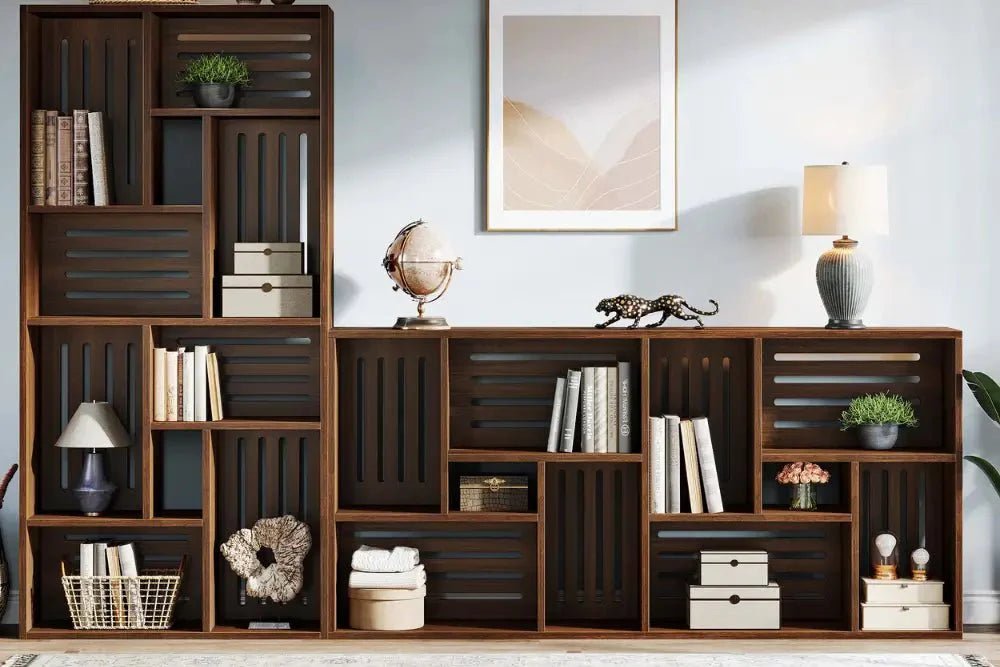


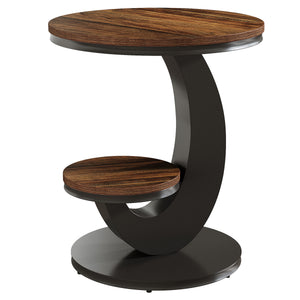

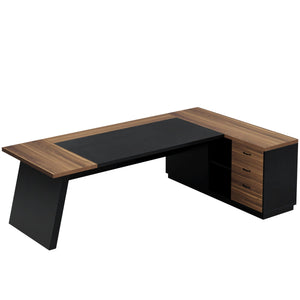
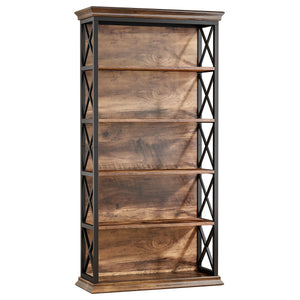
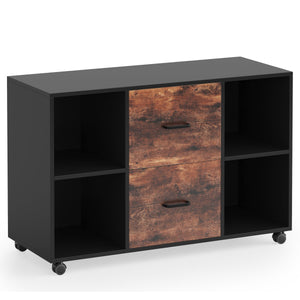
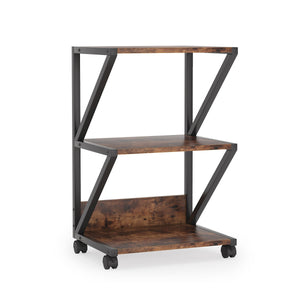

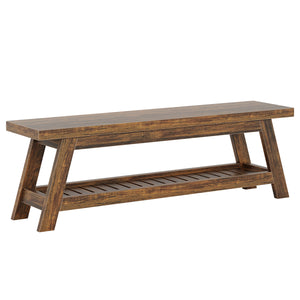
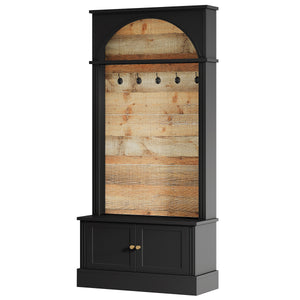
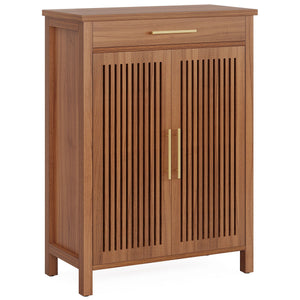

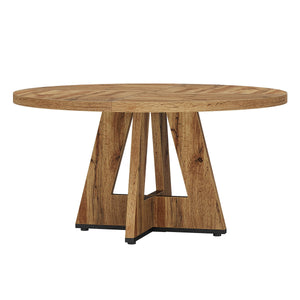
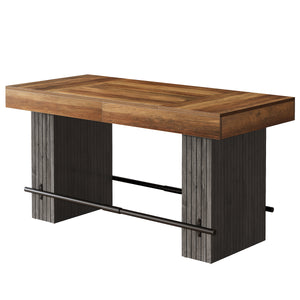
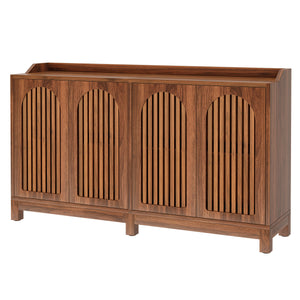
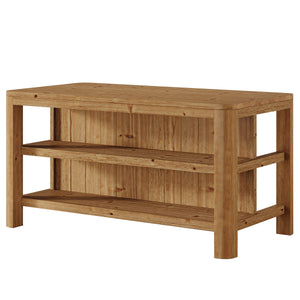
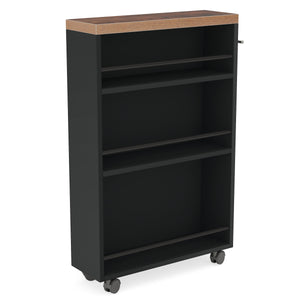
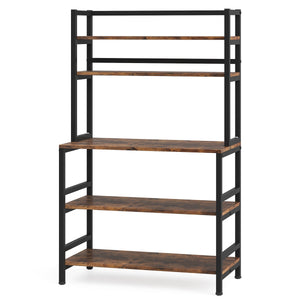
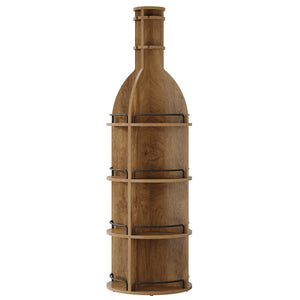

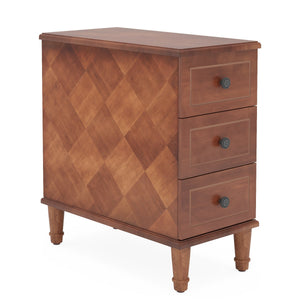
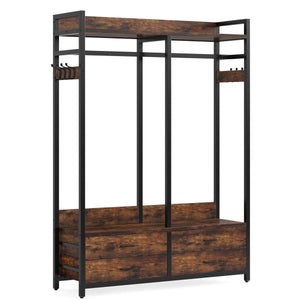
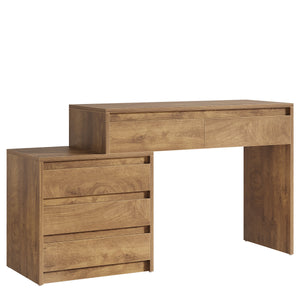
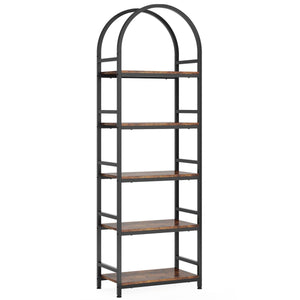
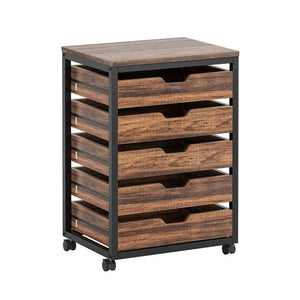
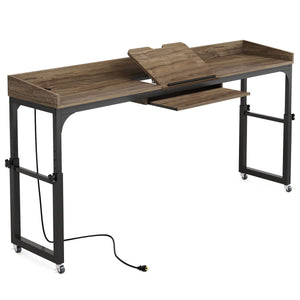
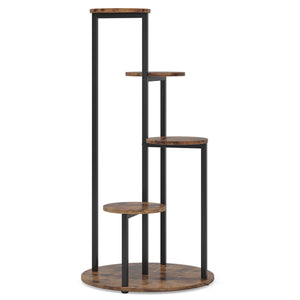
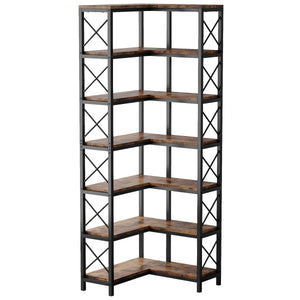


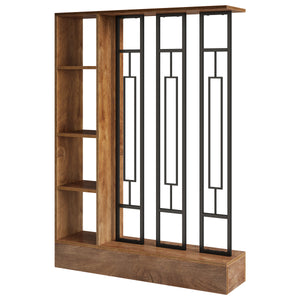


Choosing the right bookshelf material for your home is about more than just style. You want something that’s durable, fits your space, and can hold your collection of books without sagging. Whether you’re aiming for a modern industrial look or a warm wooden feel, the material you choose will define the strength, longevity, and aesthetic of your bookshelf. Here’s a breakdown of the most popular bookshelf materials and how to decide which one is best for your needs.
Table of Contents
- Best Bookshelf Materials
- How Material Affects Cost & Look?
- Matching Material to Your Home Style
- FAQs
- Conclusion
Best Bookshelf Materials
When selecting a bookshelf material, the goal is to find the perfect balance between strength, durability, style, and budget. Below, we’ve compiled the most popular bookshelf materials, explaining their pros, cons, and best uses to help you make an informed decision. We’ve also included a comparison table for quick reference.
|
Material |
Best For |
Strengths |
Weaknesses |
Best Use |
|
Solid Wood |
Heavy-duty storage, long-term investment |
Durable, natural beauty, easy to refinish |
Expensive, heavy, moisture-sensitive |
Large book collections, heirloom furniture |
|
Plywood |
Strong, budget-friendly shelves |
Strong, stable, cost-effective |
Requires veneer or finish, bulkier |
Shelving units for heavy books |
|
MDF |
Affordable, smooth finishes |
Smooth surface, cost-effective, easy to shape |
Less durable, moisture-sensitive |
Lighter books, decorative items |
|
Particleboard |
Budget storage solutions |
Inexpensive, smooth surface |
Prone to sagging, weak weight capacity |
Budget-friendly bookshelves for light use |
|
Metal |
Industrial, high-capacity storage |
Strong, low maintenance, modern look |
Cold appearance, scratches visible |
Commercial use, modern industrial style |
|
Glass & Acrylic |
Display shelves, minimalist style |
Sleek, light-reflecting, modern aesthetic |
Fragile, limited weight capacity |
Decorative shelves, light book storage |
Solid Wood
Solid wood bookshelves are made from actual timber, providing a natural, sturdy structure. Hardwoods like oak, maple, and walnut are often preferred for their superior strength, durability, and beautiful grain patterns. These materials are ideal for heavy-duty storage, making them perfect for those with large book collections or individuals who want long-lasting furniture with a premium look.

Pros:
- Durability: Hardwoods are resistant to sagging and can withstand heavy books, making them perfect for high-weight loads.
- Aesthetic Appeal: Natural wood offers a timeless look, with variations in color and grain that add warmth to any room.
- Longevity: A well-crafted solid wood bookshelf can last for generations if maintained properly.
- Customization: You can sand and refinish solid wood, meaning it can look new for years.
However, solid wood bookshelves come at a higher price point due to their premium materials and craftsmanship. They are also heavier and may require more maintenance compared to other materials.
Plywood
Plywood is an engineered wood product made by layering thin sheets of wood veneer and bonding them together with adhesive. It provides a cost-effective alternative to solid wood, offering impressive strength and stability for shelving units that will bear heavy loads.
Pros:
- Sturdy: Plywood offers solid support, making it ideal for bookshelves that need to hold heavy books or large collections without the premium cost of solid wood.
- Affordable: While it’s stronger and more durable than materials like MDF or particleboard, plywood remains more affordable than hardwood, providing great value.
- Stable: Unlike solid wood, plywood is less likely to warp or bow over time, especially when properly supported and maintained.
However, plywood's aesthetic appeal largely depends on the veneer or finish applied to its surface. Without a proper finish, it can look rough or unfinished, requiring additional treatment to achieve a polished look.
To support significant weight, thicker plywood is necessary, which can make the shelves bulkier compared to solid wood.
Plywood offers a solid balance of strength and cost-efficiency, making it an excellent choice for those who want reliable shelving without the high price tag of solid wood. It's ideal for heavy-duty applications where stability is crucial, but appearance may need some extra work to achieve a refined finish.

MDF & Particleboard
MDF and particleboard are engineered wood products, made by compressing wood fibers and resin to create a smooth, dense material. They’re often used for budget-friendly furniture and provide a smooth surface that’s ideal for painting or veneering.
Pros:
- Smooth Surface: These materials are perfect for a smooth, painted finish or when veneering.
- Easy to Work With: MDF is easy to cut and shape, making it great for custom designs.
- Affordability: MDF and particleboard are much cheaper than solid wood, making them an excellent choice for those on a budget.
- Light to Medium-Duty Use: These materials work well for lightweight to moderately heavy books but aren’t as durable as solid wood for heavy-duty use.
The downside is that MDF and particleboard are more prone to damage from moisture, so they may not perform well in areas with high humidity, like basements or kitchens.
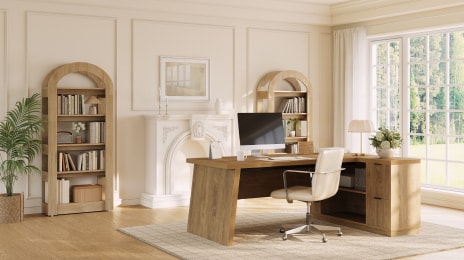
A modern, painted MDF bookshelf might be perfect for an office space where decorative items and light books are stored. (Source: The Spruce)
Metal
Metal bookshelves are typically made from steel or aluminum and are favored for their strength and industrial look. They are often seen in spaces that need to handle heavy loads and where easy maintenance is important.
Pros:
- Durable & Strong: Metal frames or shelves offer excellent weight-bearing capabilities and durability.
- Low Maintenance: Easy to clean and maintain, making it ideal for busy spaces or commercial use.
- Modern Style: Adds a sleek, industrial look to any room.
Cons:
- Cold Look: Metal can feel impersonal or cold in some interior designs, lacking the warmth of wood.
- Prone to Scratches: While durable, metal can scratch easily, which can be visible on dark finishes.
A steel bookshelf is ideal for an office or library where large books, binders, or even heavy art pieces need to be stored. Metal's ability to handle weight makes it a common choice in commercial settings as well. (Source: Architectural Digest)

Glass & Acrylic
Glass and acrylic bookshelves are typically designed for display purposes. These materials create a visually light and airy feel, making them a great choice for showcasing books in more decorative spaces.
Pros:
- Stylish & Modern: Glass and acrylic provide a clean, minimalist look, perfect for showcasing items without overwhelming a room.
- Light-Reflecting: The transparency of glass or acrylic can make a room feel more spacious and open.
- Easy-to-Clean: Glass and acrylic are both smooth, non-porous materials, so they are easy to wipe down and maintain.
Cons:
- Fragility: Glass is prone to breaking, so it’s not ideal for heavy books or high-traffic areas.
- Weight Limitations: Glass or acrylic shelves have lower weight capacities compared to wood or metal.
Glass shelves can be an excellent choice for an entryway or living room, where you want books to complement other decorative items like vases or sculptures. They are best for light books and items that won’t add excessive weight.

How Material Affects Cost & Look?
Entry-Level: MDF or particleboard, with laminated finishes like melamine. These are cost-effective and can look sleek but aren’t as long-lasting.
Mid-Range: Plywood with a wood veneer or a metal frame with wood shelves. These offer durability and a more refined appearance without the high-end price tag.
High-End: Solid hardwood or thick steel combined with wood for premium, lasting shelves. Expect natural grain patterns and high-quality finishes.
Matching Material to Your Home Style
Industrial Style: Metal shelves or steel-framed units pair well with exposed brick or modern decor.
Classic/Traditional: Solid wood shelves, such as oak or walnut, provide a timeless, elegant look.
Minimalist: Glass or acrylic shelves are perfect for creating a clean, uncluttered space.
Eco-Friendly: Choose FSC-certified wood or engineered wood with low VOC emissions.
FAQs
Is MDF good for bookshelves, or will it sag?
MDF can work for bookshelves, but it’s important not to exceed its weight limit. For larger bookshelves, consider thicker MDF or plywood to avoid sagging.
Plywood vs. solid wood—what lasts longer for heavy books?
Solid wood lasts longer and offers superior strength, but plywood is a great alternative if you’re looking for something more affordable while still strong enough for heavy books.
Are metal bookshelves better for heavy loads?
Yes, metal bookshelves provide excellent weight capacity and durability. They are commonly used in libraries and commercial settings for this reason.
Is glass safe for books?
Glass shelves can be safe if you use tempered glass, which is designed to break into small pieces rather than sharp shards. However, they are better suited for lighter loads or decorative purposes.
What’s the most eco-friendly bookshelf material I can buy in the U.S.?
Look for FSC-certified wood or shelves made with recycled materials. Low-VOC finishes also reduce your environmental impact.
Conclusion
When selecting the right bookshelf material, it's essential to consider your requirements for strength, durability, and aesthetics. If you're looking for a versatile option, Tribesigns Bookcases & Bookshelves combine high-quality engineered wood with sturdy metal frames, available in various sizes and styles to suit any home and décor. Not only are they perfect for storing books, but they also make an excellent choice for displaying decorative items. Explore our collection today to find the perfect bookshelf for your space!
Read more: