










If you’ve ever tried to fit a TV into a small living room, you know the struggle — it’s a delicate balancing act. A cozy apartment or compact condo offers limited space, yet the TV is often considered a must-have.
In this guide, we’re tackling those common challenges head-on. We’ll break down the best TV sizes for small rooms (because yes, bigger isn’t always better), share layout ideas to avoid clutter, and explore furniture and decor tricks to maximize your space.
Choosing the Right TV Size for Small Spaces
Stick with a TV size that complements your seating distance. A TV that's too large will draw attention away from the rest of the room, while a smaller screen will ensure that the space feels open and balanced. So, how do you choose the perfect TV size?
32”–43” TVs: These sizes work well in rooms where seating is close to the screen (less than 6 feet). They’re compact but still provide a good viewing experience.
50”–55” TVs: If your room has a little more space (about 6–8 feet between the couch and TV), this is often the sweet spot. A 50” TV is large enough for movie nights and binge-watching without dominating the room.
For moderate seating distance (~5–7.5 ft), a ~50″–55″ screen often strikes the right balance: large enough for movies/streaming, without dominating the room.
Bigger Isn’t Always Better: Anything larger than 55” could feel disproportionate, especially in a small room where every inch matters. The larger the TV, the further you need to sit from it to get the optimal viewing angle, which can be tough when you're limited by space.

Maximizing Floor Space
In small rooms, floor space is precious, so how you position your TV can make a big difference in how spacious the room feels. Mounting the TV on the wall is one of the best solutions to free up floor space and keep the room looking neat and tidy.
-
Sleek Look: Wall-mounted TVs have a modern, clean look and give the room a sense of openness. It eliminates the need for bulky TV stands or consoles.
-
Storage Efficiency: By moving the TV off the floor, you can introduce more storage options underneath or around the wall, without cluttering up the space.
-
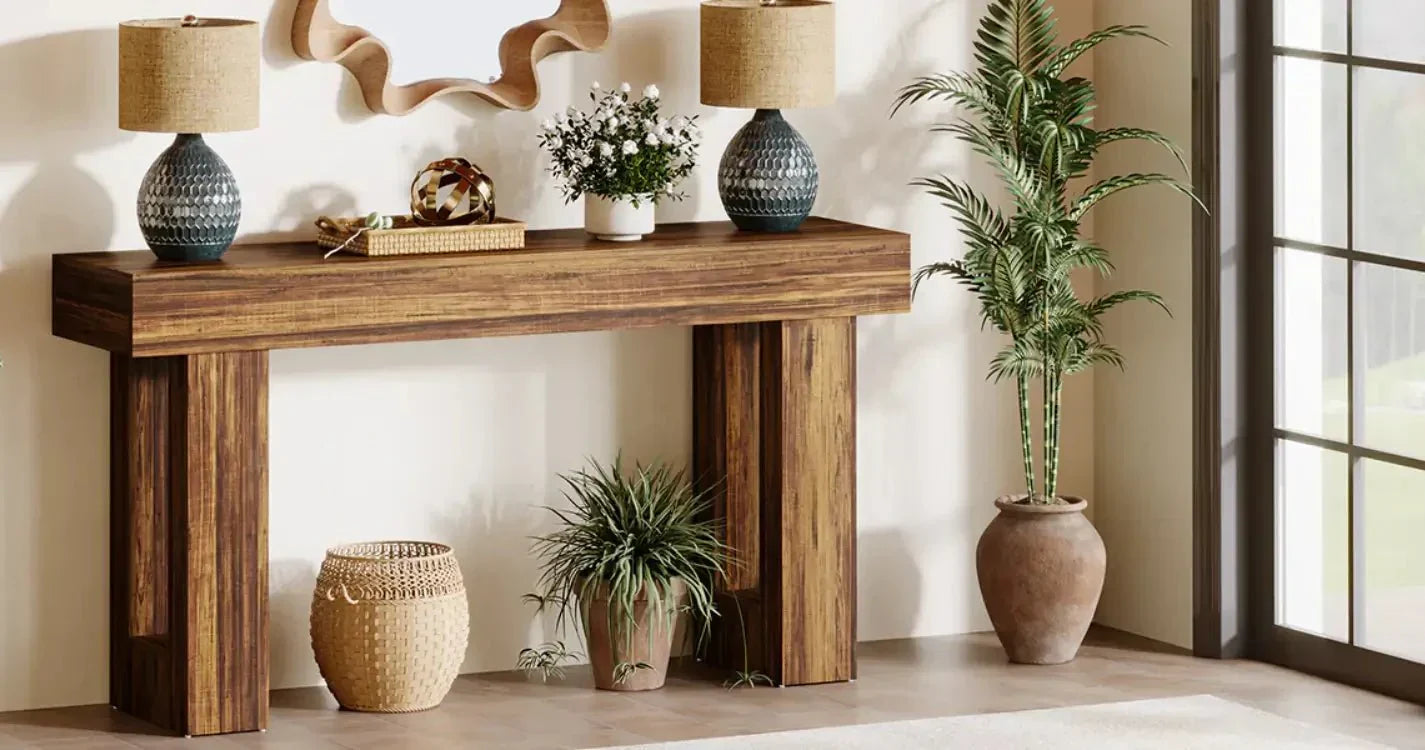
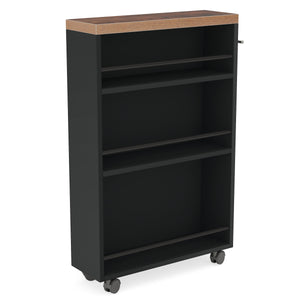
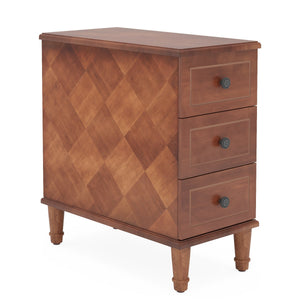
Opt for floating shelves or a narrow console table that doesn't take up too much space. If you need storage, pick a piece that keeps the floor visible and offers drawers or compartments to minimize clutter.
-
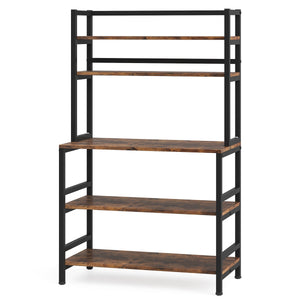
Consider furniture that doubles up, like a TV stand that also functions as a storage unit. This helps cut down on extra furniture in the room.
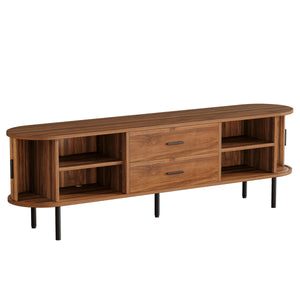
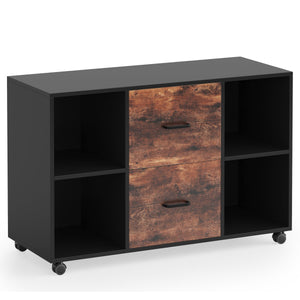
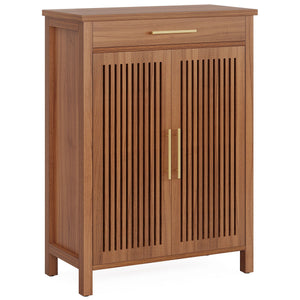
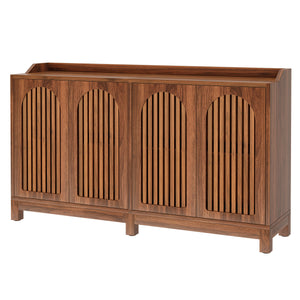
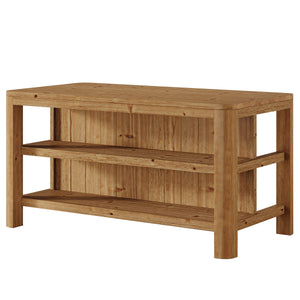
If you don’t want to mount the TV but still need the floor space, opt for a slim TV stand that’s low-profile and doesn’t dominate the room’s flow. The Tribesigns 63" TV console stand offers a large desktop and additional storage shelves, providing all the space you need to keep things neat and organized.

TV Stands & Consoles for Small Spaces
TV stands and consoles aren’t just for holding your TV — they also help keep things organized. When you're working with a small living room, look for options that offer storage solutions while keeping the space feeling open.
In addition, pay attention to the height of the TV stand, as this also affects the overall viewing experience.
Compact and Slim Design: Look for low-profile, sleek TV stands that don’t add bulk to the room. Some TV consoles even offer built-in shelving or drawers, which is great for keeping remotes, books, or other media neatly tucked away.
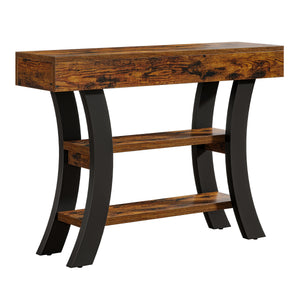
Open Shelving: If you prefer a minimal look, consider a console table with open shelving for media devices or decorative items. It keeps things accessible while letting the room breathe.
Storage Ottomans: These are great because they can double as extra seating or a footrest, and they often come with hidden storage space. This is a win-win for small spaces.
Related read: Can a console table be used as a TV table?

TV Placement for Small Living Rooms
A well-thought-out placement can optimize the room's space and viewing comfort without feeling cramped.
Against a Wall: The most straightforward placement is positioning the TV against a wall, ideally facing the main seating area. This keeps the layout simple and uncluttered.
Corner Setup: For really tight spaces, consider placing the TV in a corner. It’s an underrated trick that maximizes available seating while allowing the TV to feel like part of the room without being the focal point.
Opposite the Seating Area: Always try to place your seating directly opposite the TV. But if your room layout doesn’t allow that, consider using a slight angle for a better viewing experience. It can make a room feel more open and functional.
Pro Tip: Keep pathways clear! A TV should never block the flow of the room. Ensure there's enough space between the TV and seating for easy movement, even if it's just a small gap.
Creative Alternatives: No TV or Multi-Purpose Setup
What if you don’t want a traditional TV setup in your small living room? Or what if you’re looking for a multi-purpose setup that works harder for your space?
Some small-space dwellers opt for using projectors or laptops for media consumption instead of a traditional TV. If you’re not glued to the screen 24/7, this can be a great way to save space and still enjoy your favorite shows.

Design of a Small Living Room With A TV
Gallery Wall:
Turning the TV into part of a larger visual conversation helps it feel less like the centerpiece of the room and more like one element in a cohesive, personalized space. By creating a visual story, you allow the TV to coexist with art, photos, or decor without dominating the room.
Tactile Comfort (Throws, Cushions, Blankets):
These soft, cozy elements not only enhance the comfort of the space but also help to break up hard lines, creating a more inviting, lived-in feel. Plus, they add texture and color, which help balance out the sleek, often cold look of a mounted or large TV.
Plants:
Bringing in greenery instantly adds life, energy, and softness to a room. Whether you go for large statement plants or small windowsill arrangements, they make a space feel warmer and more organic. They also help soften the rigid lines of modern furniture and technology like a TV.
Accessorizing the TV Area:
The idea of treating the TV area as a space to express your personal style is key. You can decorate around the TV with items that reflect your taste, whether it’s candles, books, or personal keepsakes. This turns the TV into a part of a broader design concept rather than a solitary item.
The beauty of a well-styled small living room is that it isn’t about perfection; it’s about balance. It’s about creating a place that’s comfortable, welcoming, and uniquely yours.