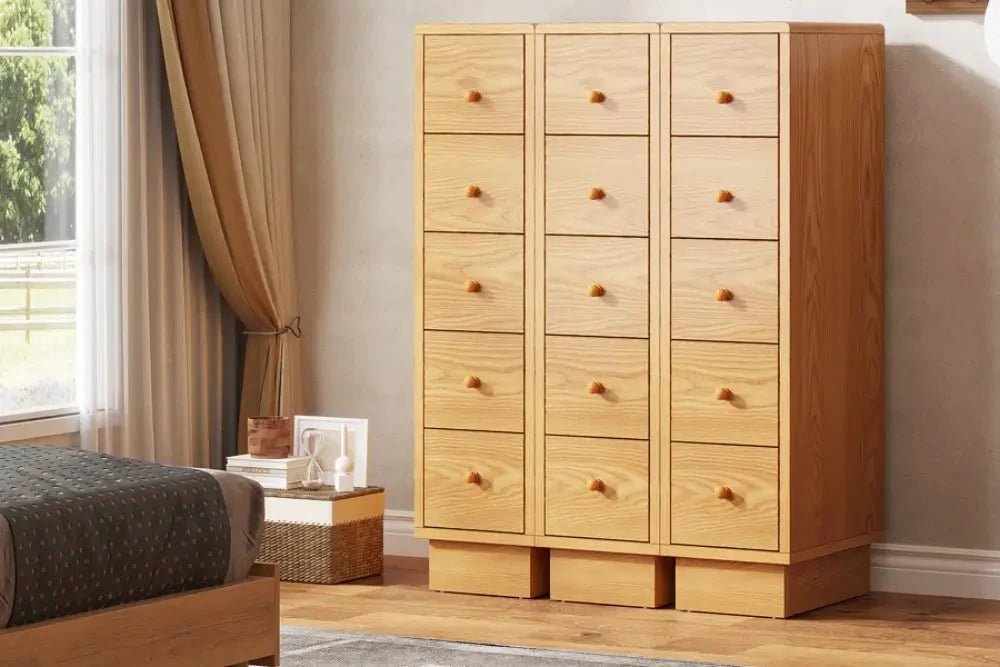


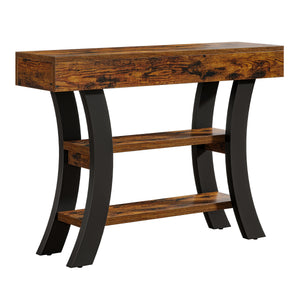
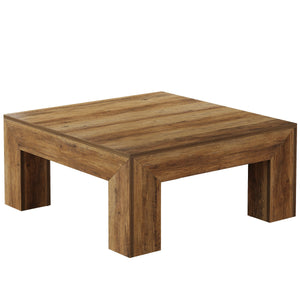
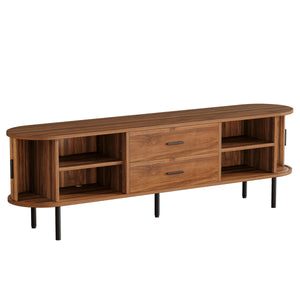
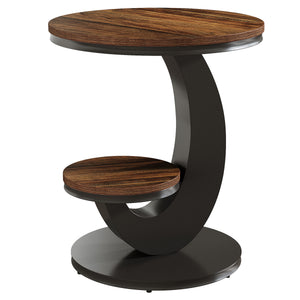

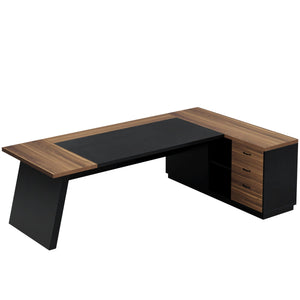
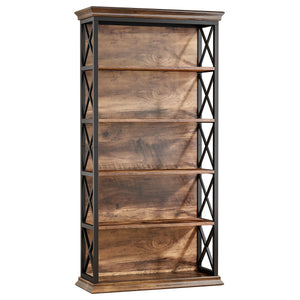
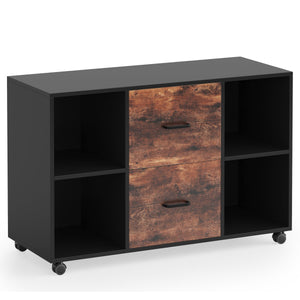


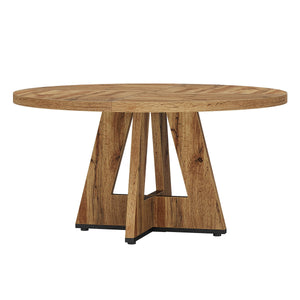
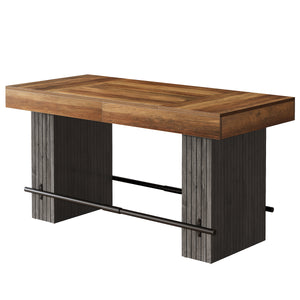






Wooden dining tables are a centerpiece in any home. Whether you're hosting family dinners, having a casual meal, or just gathering for coffee, your dining table takes a lot of wear and tear. Taking proper care of it not only helps maintain its beauty but also extends its life. Here’s how you can protect your wood dining table and keep it looking pristine for years to come.
Table of Contents
How to Prevent?
As they say, an ounce of prevention is worth a pound of cure. Here are some simple steps to help prevent damage before it happens.
Clean Spills Immediately
Accidents happen—food and drinks will spill. The key is to clean them up quickly. Wipe away any liquid or food spills as soon as they happen to avoid staining. The longer a spill sits, the harder it is to remove.
Use Coasters and Placemats
Always use coasters for your drinks and placemats for hot dishes. Hot plates can leave marks, and liquids can leave water rings on your table. These simple tools act as a protective barrier, saving you from unnecessary damage.
Cover It Up
If you’re worried about spills or scratches, a tablecloth or runner can add an extra layer of protection. Plus, it’s an easy way to change the look of your dining area for different seasons or occasions.
Keep It Away from Direct Sunlight
Sunlight can fade wood and cause discoloration over time. If possible, position your dining table away from windows that get direct sun exposure. This will help preserve its color and finish.

Regular Cleaning
Proper cleaning is essential to maintaining the appearance of your wood dining table. Regular maintenance will keep it looking great and can prevent minor issues from turning into major problems.
- Dust Regularly: Dust can build up and scratch the wood’s surface if left unchecked. Use a soft, lint-free cloth or a feather duster to remove dust and debris. Make this a part of your weekly cleaning routine.
- Wipe Away Spills Gently: For routine spills, use a damp cloth with mild dish soap to wipe down the table. Always wipe in the direction of the wood grain to avoid scratching the surface. Be gentle—avoid using harsh chemicals or abrasive cleaners, as they can damage the finish.
- Tackle Stubborn Stains: Some stains, like those from turmeric or beetroot, can be tough to remove. When these spills happen, blot the area immediately with an absorbent cloth to prevent the stain from spreading. Then, clean the area with a mild cleaning solution or a special wood cleaner.
Adding an Extra Layer of Protection with Wood Treatments
Sometimes, cleaning alone isn’t enough. Wood treatments like oils and varnishes provide an extra layer of defense against stains and scratches.
Oils and Varnishes
Oils penetrate the wood’s surface, helping to prevent moisture and dirt from entering the wood. Varnishes, on the other hand, form a hard barrier that acts as a first line of defense against spills and damage. When the surface has a protective layer, cleaning up becomes a lot easier.
Wax for Extra Shine
Depending on the finish of your dining table, waxing can add another level of protection. It gives your table a polished, shiny look and helps preserve the wood. Be sure to follow the manufacturer’s recommendations or seek professional advice on how often to wax your table.
Furniture Covers
If you’re not using your table every day or you want to ensure maximum protection, consider using furniture covers. They shield your table from dust, spills, and potential scratches. They're easy to use and especially useful when you’re not expecting guests.

Protection Over Time
Over time, your wooden dining table will experience wear and tear. But with a few simple strategies, you can protect it from damage and keep it looking like new.
Regularly Clean and Dust: As mentioned earlier, dusting is crucial. Be sure to do this regularly to prevent dirt from scratching the surface.
Keep It Dry: Wood can absorb moisture, which can lead to warping or swelling. Always make sure the table is dry after cleaning and avoid placing wet items on the surface for long periods.
Repair Damage Early: If you notice any scratches or dents, fix them early to prevent further damage. There are many touch-up kits and products available that can help fill in small imperfections.
Repair and Restoration
Even with the best care, things can go wrong from time to time. But don’t worry—you can restore your table to its former glory.
Dealing with Stains and Discoloration: If your table has developed a stain or water ring, don't panic. Sometimes, using a gentle heat source, like a hairdryer, can help lift the stain. Apply a little oil afterward to condition the wood.
Refinishing: For deeper damage or if your table’s finish is worn out, you might need to refinish it. Sand the surface, reapply the stain, and finish it off with a fresh coat of varnish or wax. Refinishing will bring back the table’s beauty and protect it for years to come.

What to Use When Sealing a Dining Table?
When sealing a dining table, it's important to choose a finish that balances durability, ease of application, and drying time. For a surface that will see daily use, here are a few solid recommendations:
Polyurethane
If you're looking for a durable, quick-drying option, polyurethane is a great choice. It creates a tough, water-resistant surface that’s ideal for tables exposed to moisture, heat, and daily wear. You can apply a few coats of polyurethane, and it typically dries quickly, so you won’t have to wait too long. For best results, choose a water-based polyurethane like Minwax Polycrylic, which is easy to apply and has held up well for many users (including those with heavy kitchen use). It has a relatively fast drying time, and it can be touched up with minimal effort over the years.
Table Varnish or Lacquer
For a long-lasting, professional finish, applying a precoat sealer followed by lacquer or table varnish is a solid option. This provides a hard finish that resists wear and won't need to be redone within a few years. This process takes a little more time compared to polyurethane but is worth it for the durability.
Tung Oil and Beeswax
If you're aiming for a natural wood finish that’s both beautiful and incredibly long-lasting, tung oil followed by a beeswax top coat is an excellent option. However, this method takes longer—typically a month of curing time, with multiple coats of oil and hand-rubbing between each. This process results in a durable, water-resistant surface, but it's best for those who are willing to invest the time.

FAQ
What is The Best Top Coat for a Wood Dining Table?
The best top coat for a wood dining table is polyurethane. It’s a popular choice because it creates a durable, hard surface that’s resistant to scratches, heat, and spills. Polyurethane can be applied over stained wood or even on unstained wood for a glossy, protective finish.
Is it Better to Varnish or Oil a Dining Table?
Both varnish and oil can be good choices for a dining table, but it depends on your priorities.
Varnish is ideal if you want a harder, more durable finish. It provides long-lasting protection against spills, scratches, and moisture. It’s perfect for high-traffic areas and is especially good for a table that needs to stand up to daily use.
Oil gives a more natural look and enhances the wood grain. Tung oil or linseed oil are popular choices for people who prefer a matte or low-sheen finish. However, oils require more maintenance over time, as they tend to wear off quicker than varnish. They’re great for someone who wants a natural feel and is willing to reapply oil as needed.
For high-durability and minimal maintenance, varnish is typically the better option for a kitchen table.
Which Material is Best For a Dining Table Cover?
When choosing a cover for your dining table, performance materials like polyester or canvas are the best options. These materials are designed to withstand exposure to the sun, wind, and moisture. They maintain their shape and don’t sag, which helps your table look neat and presentable. For outdoor dining tables or areas with varying weather conditions, performance fabrics are durable and resistant to fading.
If you’re looking for a more aesthetic, softer touch, linen or cotton can be great for indoor use, but they are not as durable or moisture-resistant as synthetic covers. These natural fabrics are more likely to sag or stain when damp, so they’re better for decorative purposes rather than everyday use.
Why Choose Tribesigns for Your Dining Table?
If you’re looking for a dining table that blends style, quality and everyday usability, the Tribesigns collection is a standout in the U.S. furniture market. Tribesigns dining table offers multiple shapes — round, square, rectangular, oval and even extendable models — so you can find a size and shape that fits your space.
Consider the Tribesigns line for a reliable, stylish wood dining table that fits your lifestyle. Whether you’re hosting family dinners, casual meals or entertaining guests, a Tribesigns dining table is built for it. Click through and explore your options — you’ll find models sized for 4 to 8 people, finishes that match your home, and the quality you need. Make your next dining table a lasting centerpiece.