





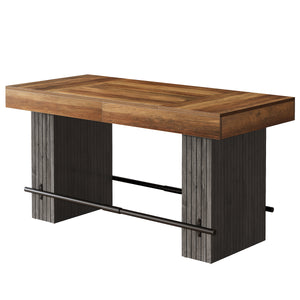
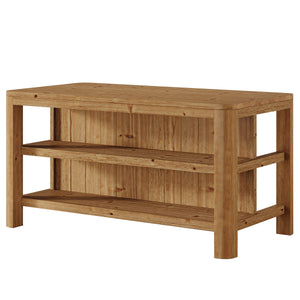





A dining room table you choose in three minutes will stick with you for at least three years—from homework scratches to party water rings. The real questions aren’t “round or rectangular,” but how many seats you need, how much daily wear it can handle, and whether you’ll still love it two years from now. This guide breaks down sizing formulas, material trade-offs, and room layouts so you pick right once—and stop wrestling with your table.
Table of Contents
- Find the Best Table Shape for Your Space
- Select a Color That Supports the Room’s Mood
- Table Size
- Table Material
- Choosing Your Dining Table Style
- Additional Considerations
Find the Best Table Shape for Your Space
When it comes to choosing a dining table, shape plays a significant role in how the table functions in your room. Here’s a breakdown of the most common shapes and how they can work in your space:

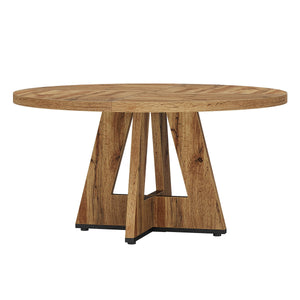
Best Price : 47-inch Round Farmhouse Dining Table, $164
- Round Tables: Round tables are ideal for small spaces. Furthermore, the absence of sharp corners makes them a good choice for families with children.
- Rectangular Tables: Rectangular tables are the most common shape and are well-suited for larger rooms. Available in sizes ranging from 4 to 12 seats, they can easily accommodate growing families or guests.
- Square Tables: Square tables are an ideal compromise between round and rectangular tables. They are often used in smaller dining rooms or as an alternative to traditional rectangular tables.
- Oval Tables: If you appreciate the advantages of rectangular tables but want a softer visual effect, an oval table is a good option.
Check it out: What Shape Dining Table Saves the Most Space?
Select a Color That Supports the Room’s Mood
The color of your dining table needs to complement your décor and the room’s natural lighting. Here’s a quick look at some of the most popular dining table colors and how they can enhance your space:

Color sets the mood of a dining room before anything else. Instead of choosing a shade on its own, think about the feeling you want the space to have.
White keeps the room light, open, and easy to style. It works well when you want the dining area to feel clean and airy.
Black creates contrast and structure. It suits spaces that need a stronger visual anchor or a more modern edge.
Natural wood brings warmth and texture. It softens the room and makes the dining space feel more relaxed and lived-in.
Gray is calm and flexible. It blends easily with different materials and keeps the overall look understated.
Beige and taupe add softness without feeling plain. These tones work well for warm, quiet, and natural interiors.
Dining Table Size
Give each person about 24 inches of table edge. Leave 36–42 inches around the table for chairs and movement. Keep the dining table height around 28–30 inches, with enough room between the seat and tabletop.

Rectangular & Oval
|
Table Size (L × W) |
Seats (Comfortable) |
Notes |
|
48" × 36–38" |
4 |
Good everyday 4-seater. |
|
60" × 36–38" |
4–6 |
Add head seats only if chairs are slim. |
|
72" × 36–40" |
6 |
Popular “family of six” size. |
|
78–84" × 36–40" |
6–8 |
Works for dinner parties; check leg spacing. |
|
96" × 40" |
8–10 |
Large rooms; verify 42–48" clearance. |
Round
|
Diameter |
Seats (Comfortable) |
Notes |
|
42–44" |
4 |
Compact, easy conversation. |
|
48–54" |
4–6 |
54" can squeeze 6 with armless chairs. |
|
60" |
6–8 |
Great for square-ish rooms. |
|
72" |
8–10 |
Large; mind reach to center. |
Chair width and table-base placement can also affect seating capacity. See our guide to choosing dining chairs for a round table.
Table Material
The material of your dining table sets the tone for the entire room. Whether you want something sleek, rustic, or modern, the material you choose can make all the difference.

Wood: A classic choice that adds warmth and texture to your space. It’s durable and comes in a variety of finishes, from light oak to deep walnut. Wood tables are perfect for both traditional and modern homes. They’re easy to maintain with a little care.
Read more: Tips to Clean Wood Furniture
Glass: For a sleek, contemporary look, a glass table can make the room feel open and airy. It pairs well with metal or wooden legs and is a great option for smaller spaces since it doesn’t visually take up much space.
Metal: Strong and modern, metal tables often feature industrial or minimalist designs. They’re durable, easy to clean, and offer a bold look—great for modern and urban spaces.
Sintered Stone or Stone: If you're after luxury, marble, stone, or sintered stone can all offer a stunning and elegant look. Unlike traditional marble or stone, a sintered stone table is more resistant to scratches, stains, and heat. However, all of these options require some maintenance to keep them looking great, especially when used as a dining table.
Choosing Your Dining Table Style
The style of your table will tie everything together in your dining room, so choose something that feels right for you.
- Modern: If you like clean lines, neutral colors, and minimalistic designs, go for a modern table. These tables typically feature simple, sleek designs with materials like glass, metal, and wood.
-
Rustic or Farmhouse: If you want warmth and charm, a rustic or farmhouse-style table might be the perfect fit. These tables are typically made of reclaimed wood and have a timeless, inviting feel that works well in cozy spaces.
Industrial: Combining metal and wood, industrial-style tables are perfect for an urban loft or modern home. They have an edgy, functional vibe and are great for casual or trendy spaces. - Traditional: A traditional table is classic and elegant, often featuring detailed woodwork, carving, and a timeless look. These tables work well in more formal dining areas or homes with vintage decor.

Looking for the best deals on dining options? From November 4 to November 13, grab our best early black friday deals:
- 15% off orders over $149 — Code: Early15
- 18% off orders over $199 — Code: Early18
- 20% off orders over $299 — Code: Early20
FAQ
Round or Rectangular For a Small Space?
If your room is narrow, go rectangular—it lines up with the walls and keeps traffic flowing. If your room is closer to a square, a round table softens corners and can feel more open. Either way, leave about 36–42 inches of clearance around the table so chairs can slide and people can pass comfortably.
What’s the Standard Size For a 6-person Table?
Most 6-seaters fall around 72" x 36–38" (rectangular) or 54–60" diameter (round). Plan on roughly 24 inches of width per person, and a bit more at the heads if you’re using armchairs.
How Do I Know an Extendable Table is Stable?
Check the base and hardware. A pedestal or trestle base with cross-bracing reduces wobble, and quality slides/locks keep leaves tight. When extended, the table shouldn’t rack (twist) if you press on opposite corners; look for levelers on the feet, under-table support rails, and leaf locks that click firmly into place.

