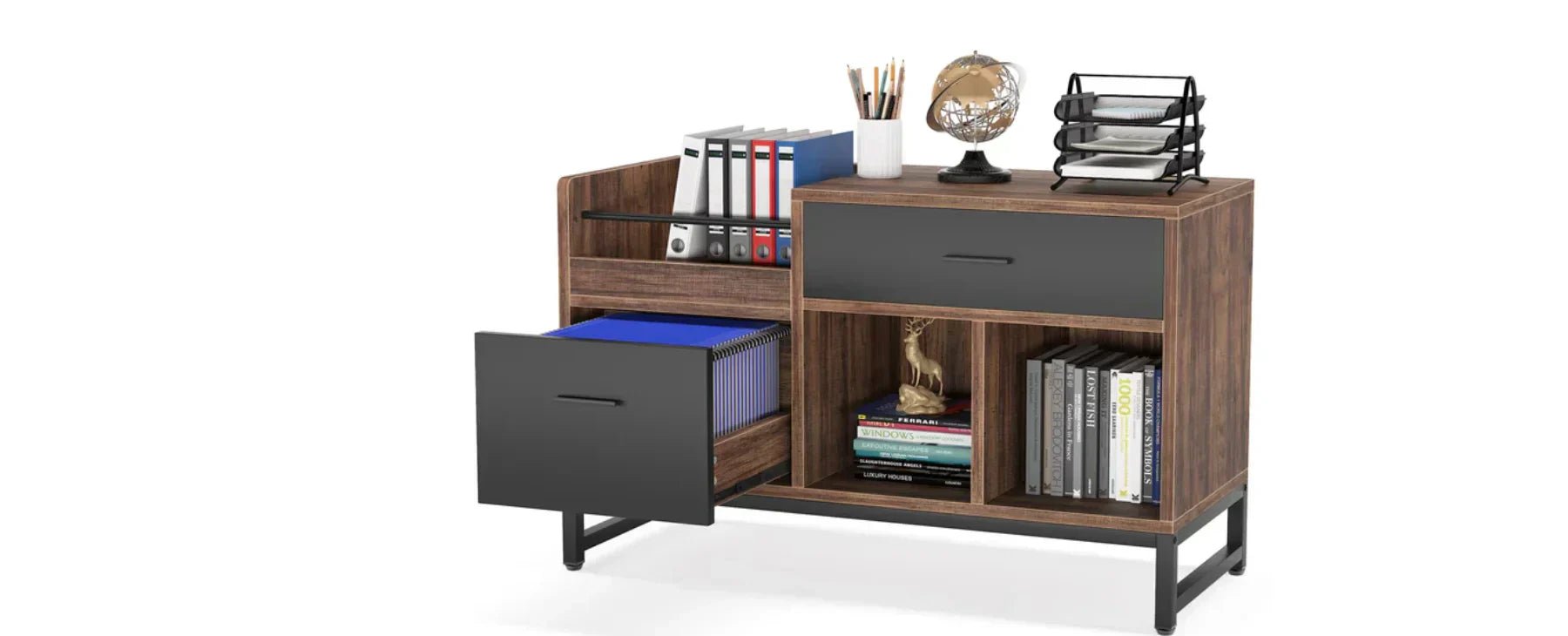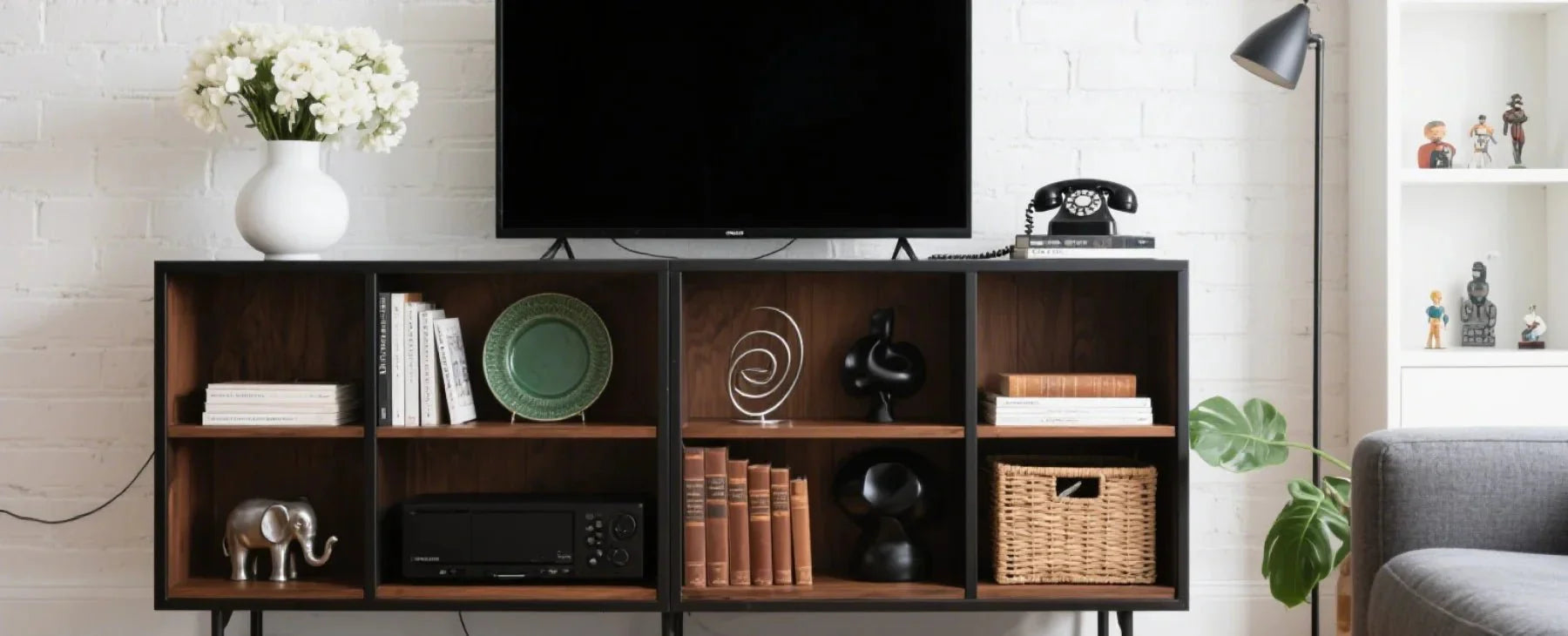






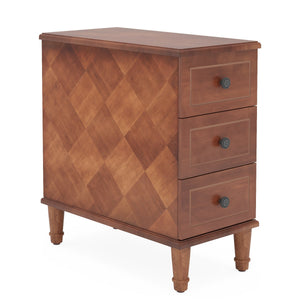
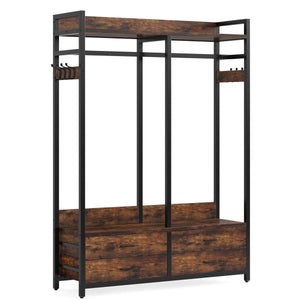
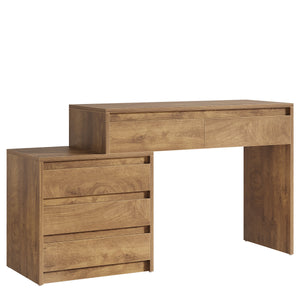
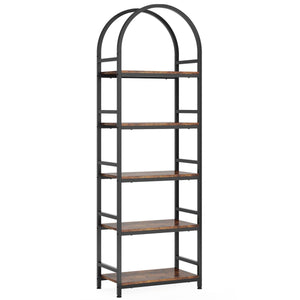
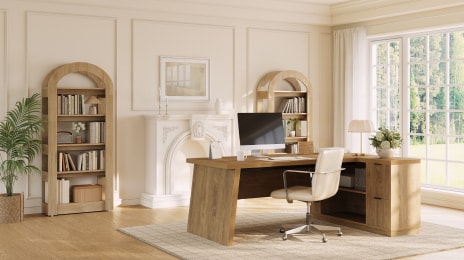




Size and Configuration
Before choosing a bookshelf, measure the wall area where it will go, including ceiling height, floor space, nearby doors, windows, outlets, and baseboards. A good bookcase should fit your room, your storage needs, and the items you plan to display.
Common Bookshelf Size Guide:
|
Feature |
Common Range |
Best For |
Buying Tip |
|
Height |
60"–84" |
Full-size bookcases, living rooms, home offices |
Most U.S. ceilings are about 96" high. Choose 60"–72" if you have lower ceilings or want to place decor on top. |
|
Depth |
10"–15" |
Books, baskets, binders, decor |
10"–11" works for novels and paperbacks. Choose 12"–15" for art books, binders, or storage baskets. |
|
Width |
24"–36" for single-column bookcases; 72"+ for larger units |
Small walls, wide walls, multi-column storage |
Match the width to your wall space and leave room for doors, walkways, and nearby furniture. |
For a more detailed height guide, read our article on choosing the best height for bookcases.
Shelf Spacing and Weight Capacity
Shelf spacing and weight capacity affect how useful the bookcase will be in daily use. If you store mixed items such as books, baskets, framed photos, and decor, adjustable shelves are usually the most flexible option.
|
Feature |
Recommended Range |
Best For |
Notes |
|
General shelf spacing |
10"–12" |
Novels, paperbacks, everyday books |
Works for most standard book storage. |
|
Taller shelf spacing |
14"–16" |
Vases, framed photos, storage bins, large books |
Better for mixed storage and decorative displays. |
|
Particleboard shelf load |
30–70 lbs per shelf |
Light to medium books, small decor |
Avoid overloading long shelves to prevent sagging. |
|
Solid wood or metal shelf load |
40–100+ lbs per shelf |
Heavy books, files, larger decor |
Actual capacity depends on shelf thickness, frame support, and construction. |
Quick Buying Tips
- Leave 1–2 inches of clearance above your tallest book.
- Choose adjustable shelves if you plan to store both books and decor.
- Pick a tall vertical bookshelf if you want to save floor space.
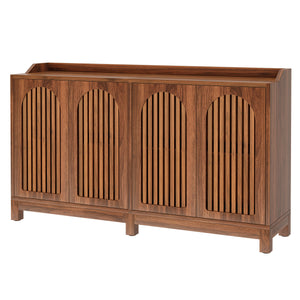
- Pick a low horizontal bookcase if you want console-style storage or easier access.
- For children’s rooms or playrooms, a shorter bookcase is usually more practical and easier to reach.

Bookshelf Type
Bookcases come in a wide variety of forms—each designed for different spaces and functions. Here are some of the most popular types you’ll find in the market:
- Standard Bookcase: A classic upright unit with open shelving, great for most home and office settings.
- Ladder Bookcase: Leaning designs with a modern, airy feel. These are stylish but usually hold less weight.
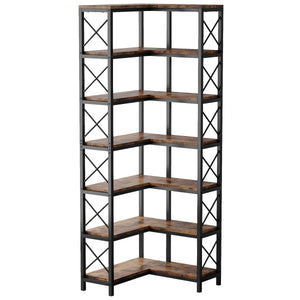
- Corner Bookshelf: Perfect for small spaces or awkward corners. Great for maximizing storage in underused areas.
- Cube Storage: Modular and flexible, often used for both books and baskets or bins. Popular in kids' rooms or for casual storage.
- Wall-Mounted Bookcase: Saves floor space and creates a clean, floating look. Requires secure wall installation.
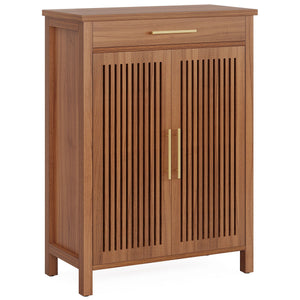
- Closed Bookcase or Bookcase with Doors: Keeps contents dust-free and adds a neater appearance. A good fit for formal rooms.
- Small Bookshelf: Ideal for compact spaces, bedside storage, or next to a desk.
Choose the type that complements your room layout and storage habits—form should follow function.

Bookshelf Budget
Bookshelf prices vary by size, material, construction, and finish. In the U.S. market, basic bookcases often cost around $100, while larger solid wood or designer options can reach several hundred dollars or more.
|
Budget Level |
Typical Price Range |
Common Materials |
Best For |
|
Entry-level |
$50–$150 |
Particleboard, laminate, MDF |
Dorms, rentals, light storage |
|
Mid-range |
$150–$400 |
Engineered wood, veneer, metal frames |
Living rooms, home offices |
|
High-end |
$400–$1,000+ |
Solid wood, hardwood veneer, custom finishes |
Long-term use, statement pieces |
The best bookshelf is not always the cheapest one. Choose a piece that fits your room, storage needs, and daily use so it does not need replacing after a year.
Application
Bookcases aren’t just for books—they’re versatile pieces that adapt to different rooms and purposes. When choosing one, think about how and where you plan to use it.

Home Office
-
A tall, standard bookcase is ideal for keeping reference materials, binders, and office supplies organized.
-
Choose models with adjustable shelves or a mix of open and closed storage for a cleaner look during video calls.
Living Room
-
Go for a bookcase that doubles as a display unit for décor, framed photos, or collectibles.
-
Low bookcases work well beneath windows or art, while ladder or cube designs add a modern edge.
Bedroom
-
Use a small bookcase as a nightstand alternative or place a narrow unit near a reading chair.
-
Consider units with doors if you want to reduce visual clutter.
Kids’ Room
-
Cube bookcases are ideal—use bins to store toys, books, or clothes.
-
Look for units with rounded edges and tip-over restraints for safety.
Entryway or Hallway
-
A slim, shallow bookcase adds vertical storage without crowding narrow areas.
-
Use the top surface for keys, mail, or a decorative catch-all tray.
Multi-Use Storage
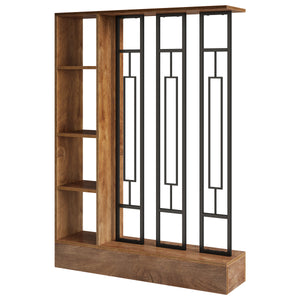
- Bookcases can also serve as room dividers in open-plan spaces.
-
Modular and open-back units work well for creating zones while keeping things light and airy.
💡 Pro tip: Don’t limit yourself to traditional placements. A well-chosen bookcase can be as functional as it is decorative—especially when used to solve tricky storage challenges in overlooked spaces.
Bookshelf Style
Choose a bookcase that matches your room’s color palette, material, and overall furniture style. It does not need to be the exact same color as your other pieces, but it should feel visually connected.
|
Style |
Recommended Colors |
Common Materials |
|
Modern / Contemporary |
Black, white, gray, walnut |
Metal, glass, matte wood finish |
|
Traditional |
Cherry, espresso, dark brown |
Solid wood, wood veneer |
|
Farmhouse / Rustic |
Oak, natural wood, whitewash |
Distressed wood, wood-metal mix |
|
Industrial |
Black, rustic brown, reclaimed wood tones |
Metal frame, wood-look shelves |
|
Scandinavian / Minimalist |
Light oak, beige, white |
Light wood, smooth laminate |
Design tip: Match your bookcase by tone or texture, not necessarily by exact color. For example, a walnut bookcase can pair well with a brown leather sofa, while a black metal frame can echo black lighting, table legs, or cabinet hardware.
Read more: What Color Bookshelf Should I Get? A Simple Guide for Every Room

Material
The material you choose will not only affect the look of your bookcase, but also its longevity and how much weight it can safely carry.
Solid Wood
Common woods: Oak, Pine, Walnut, Acacia. Can be stained, painted, or left in their original color and are durable and have a high-end feel. Usually heavier and pricier, but will last.
Composite Wood (MDF, Particleboard)
More affordable, lighter, and available in a variety of finishes. Often used with laminate or veneer surfaces. Less durable under heavy loads or frequent handling, but a good choice for budget-conscious buyers.
Metal
Often used in frames or open industrial designs. Great for lofts or minimalist spaces. Often powder-coated to prevent rust.
Glass
Mainly used for doors or shelving for a sleek, modern look. Best for adding visual lightness to display areas.
Mixed Materials
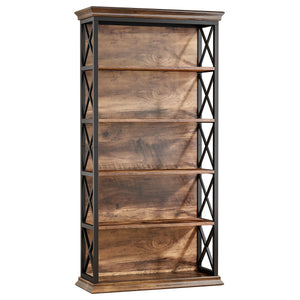
The combination of wood and metal is popular in modern and rustic designs. Mixing glass with wood creates an elegant, modern look.
Durability Tip: If you are storing heavy hardcover books, give priority to solid wood or reinforced metal frames. For lightweight decorative or small books, MDF or laminate materials are also good choices.
Features and Options
- Adjustable shelves
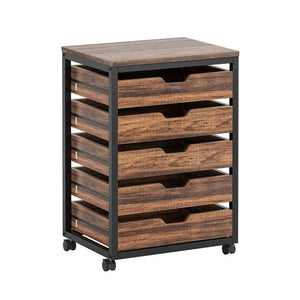
- With doors or drawers
- Hidden storage
- Movable wheels
- Lighting
-
Expandable / modular
Bookcase Trends
- Modular & stackable units let you expand or rearrange as needed. Great for small spaces.
- Multifunctional designs combine storage with benches, desks, or media stands.
- Sustainable materials like FSC wood and bamboo are becoming more common.
- Bold colors—navy, black, and forest green—are trending beyond traditional wood tones.
- Open and asymmetrical shelving adds visual interest in modern spaces
-
Room dividers using open-back bookcases are popular in open floor plans.
Conclusion
Ready to find your perfect fit? Whether you're furnishing a new home or upgrading your space, the right bookcase brings order and style together. Explore Tribesigns' uniquely designed furniture.