



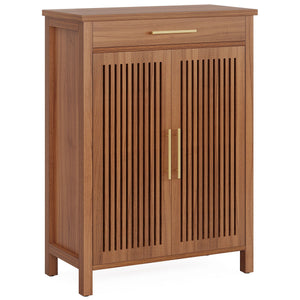

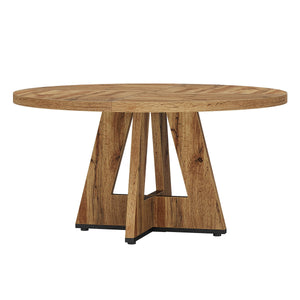
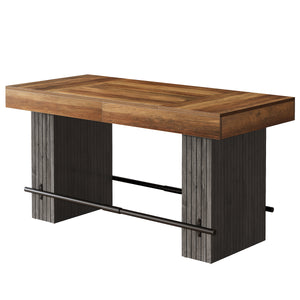
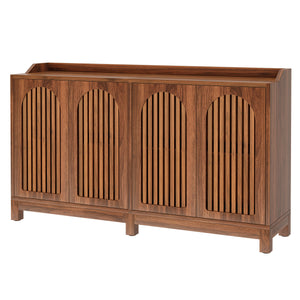





Common Desk Top Materials in the U.S. Market
When researching what desks are made of, you’ll find six primary categories: solid wood, veneer, laminate, metal, glass, and bamboo. Each has distinct qualities, price points, and maintenance needs.
|
Material |
Typical Price Range (USD) |
Durability |
Common Use Case |
|
Solid Wood (Oak, Walnut, Cherry) |
$500–$2,000+ |
★★★★★ |
Luxury executive offices |
|
Veneer / Plywood |
$200–$800 |
★★★☆☆ |
Mid-range office setups |
|
Laminate / Composite |
$200–$600 |
★★★☆☆ |
Home or hybrid offices |
|
Metal (Steel, Aluminum) |
$400–$900 |
★★★★★ |
Modern industrial offices |
|
Glass |
$400–$1,200 |
★★★★☆ |
Contemporary workspaces |
|
Bamboo |
$350–$900 |
★★★★☆ |
Eco-conscious offices |
Solid Wood
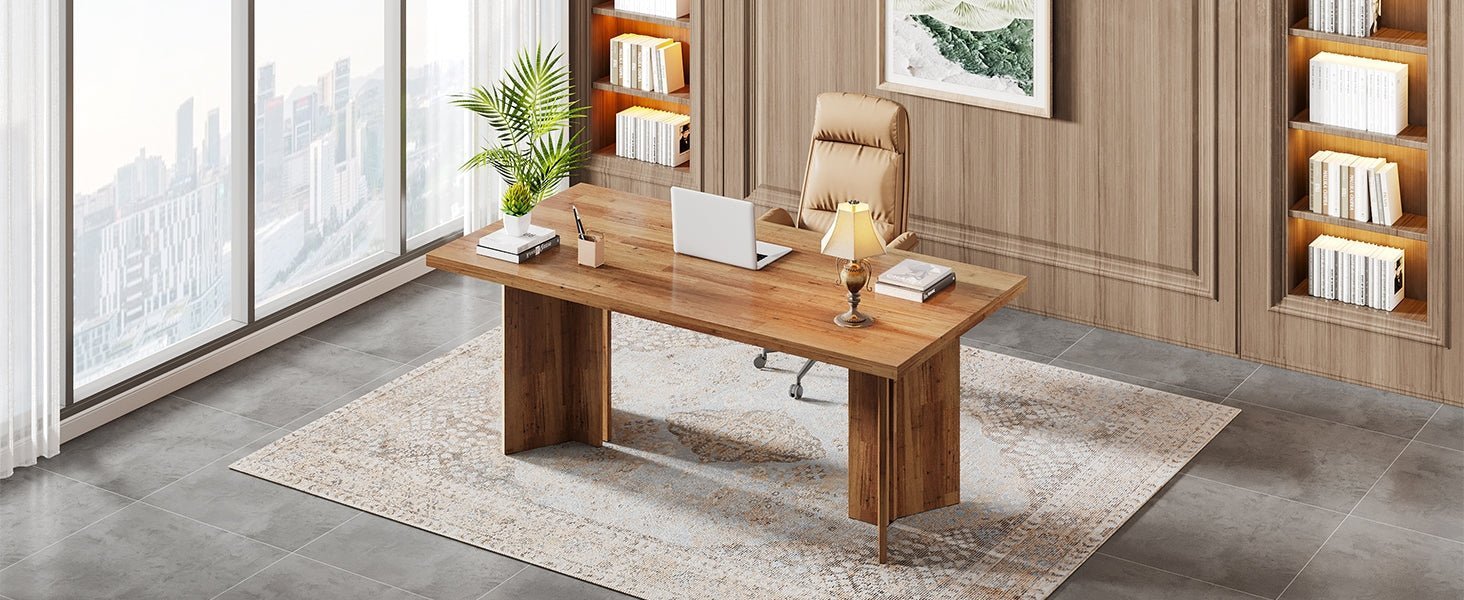
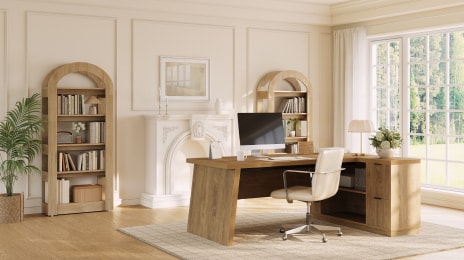
When people think of an executive desk, solid wood often comes to mind. American hardwoods like oak, walnut, and cherry dominate this category. These desks feel substantial, age beautifully, and can last for decades if properly maintained.
Pros: unmatched durability, timeless appearance, and the ability to refinish or repair scratches.
Cons: heavy, more expensive, and sensitive to humidity.
In U.S. executive settings—especially law firms or corner offices—solid walnut desks are often chosen to convey authority.
Veneer and Laminate
If you want the look of real wood without the cost, wood veneer or laminate is a practical choice. These desks are typically built with MDF or particleboard cores and finished with a thin wood layer or printed laminate surface.
Pros: lighter weight, affordable, wide variety of finishes.
Cons: can chip, warp, or peel over time; harder to repair than solid wood.
For example, the EcoOffice report found that veneer desks accounted for over 40% of executive desk sales in mid-range price categories. They’re ideal for startups or home offices where you want visual appeal without breaking the budget.

Metal
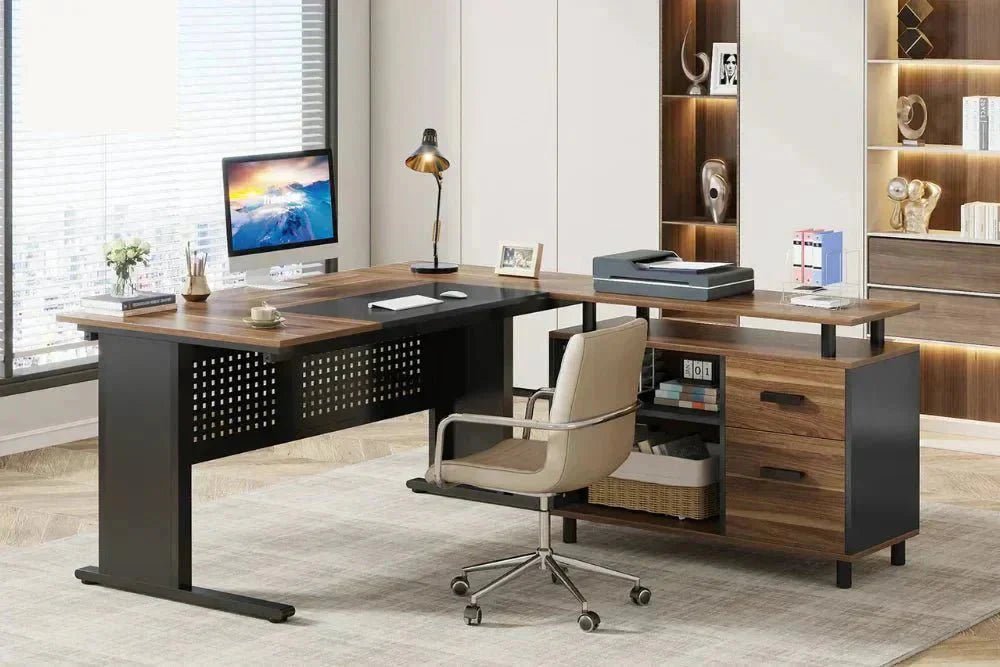
Metal desks—often made of steel or aluminum—stand out for their strength and sleek, modern appeal. While metal tops are less common, many executive desks now use metal frames paired with laminate or wood surfaces for a contemporary, durable combination.
Pros: excellent stability, low maintenance, scratch-resistant.
Cons: less warmth, prone to fingerprints, heavier weight. In a humid environment, metal will rust.

Glass, Marble, and Bamboo
If you’re aiming for sophistication, a glass-top executive desk adds instant elegance. It’s easy to clean and pairs well with metal bases. The downside? It shows smudges easily and may scratch if not properly cared for.
Marble and stone desks fall in the luxury category. They’re incredibly durable but extremely heavy and costly. Some high-end U.S. offices use marble-topped desks as statement pieces rather than everyday workstations.
Bamboo, on the other hand, offers an eco-friendly and surprisingly sturdy alternative. It’s renewable, lightweight, and delivers a warm, natural aesthetic. Autonomous reports bamboo desks are gaining traction among sustainability-focused buyers—especially for home offices.
How to Choose the Right Desk Top Material?
When deciding which desk top material fits you best, consider usage, durability, and design:
- For executives and professionals: go for solid wood or veneer for prestige and longevity.
- For hybrid or home offices: laminate or engineered wood provides flexibility at a lower cost.
- For modern aesthetics: metal and glass combinations create a sleek and minimal environment.
- For eco-conscious users: bamboo delivers sustainability with a touch of warmth.
Also, look at your daily routine—if you work long hours or use heavy equipment, sturdier materials like solid wood or steel are worth the investment. Avoid cheaper particleboard tops that sag or chip over time; Reddit user reviews often warn against these when they start bending under monitor weight after just a year.

Maintenance and Longevity Tips
|
Material |
Maintenance Tips |
Expected Lifespan |
|
Solid Wood |
Dust regularly and apply furniture polish twice a year. |
10–15+ years (can last decades with care) |
|
Veneer / Laminate |
Clean with a damp cloth; avoid harsh chemicals or excessive moisture. |
5–8 years depending on use |
|
Metal |
Wipe with a microfiber cloth; keep dry to prevent rust or corrosion. |
10–15 years |
|
Glass |
Use anti-smudge spray and avoid abrasive cleaners or pads. |
8–12 years |
|
Bamboo |
Reapply natural oil occasionally to prevent drying and cracking. |
8–10 years |
Tip: Regular maintenance not only keeps your desk looking new but also extends its lifespan. A well-cared-for solid wood desk can outlast cheaper laminate models by more than a decade—saving both money and frustration in the long run.
Conclusion
American buyers are shifting toward materials that balance design, durability, and sustainability. Solid wood remains a top-tier choice for executives, while engineered wood and bamboo are growing fastest among younger professionals. ExploreWorkspace’s 2025 trend report highlights increased demand for reclaimed wood and eco-conscious materials—a clear signal that aesthetics and ethics now share the same desk.
Choosing the best material for your executive desk isn’t about trends; it’s about finding the perfect balance between style, performance, and longevity. Whether you’re drawn to the timeless beauty of walnut, the efficiency of laminate, or the sustainability of bamboo, understanding what desks are made of helps you make a smarter, long-lasting investment.
Ready to elevate your workspace? Explore Tribesigns top picks for executive desks across every material and find the one that matches your office, your workflow, and your vision.
FAQs
What Size is Best For An Executive Desk?
Most executive desks in the U.S. range between 60" and 72" long and 30" to 36" deep.
The standard executive size—around 72" × 36"—offers plenty of surface area for dual monitors, paperwork, and accessories without feeling cramped.
If you’re working with a smaller office, a 63" × 30" desk provides enough workspace for a laptop, notepads, and essentials while still looking professional.
Pro Tip: If you plan to use multiple screens or store files on your desk, always choose a width of at least 60 inches for comfortable workflow.
What is the Most Durable Material For an Executive Desk?
Solid hardwood remains the most durable choice for executive desks.
Woods like oak, walnut, maple, and acacia are dense, resistant to dents, and can last decades with proper care. These species are commonly used in premium U.S. executive furniture because of their longevity and natural beauty.
That said, metal frames and high-quality laminate tops are also highly durable and more resistant to scratches or spills—making them popular in modern and high-use office environments.
Best for durability: solid oak or walnut (for timelessness) and steel-frame laminate (for heavy daily use).
Can I Mix and Match Different Materials For My Desk?
Absolutely! Mixing materials is a growing trend in American office furniture design.
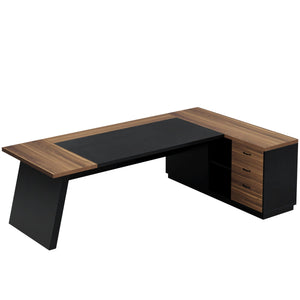
Combining a metal base with a wood or glass top adds contrast and visual appeal while balancing durability and style.
This approach—often seen in brands like Tribesigns Furniture—is popular for home offices where users want modern aesthetics with practical function.
Example: A walnut top with matte-black metal legs gives a sleek, contemporary executive look.
How Do I Clean and Maintain My Desk?
Care depends on the material, but here are general guidelines:
- Wood: Wipe with a dry or slightly damp cloth; use wood polish every few months.
- Laminate/Veneer: Use a damp cloth with mild soap; avoid harsh chemicals.
- Metal: Clean with a microfiber cloth and mild cleaner; keep dry to prevent rust.
- Glass: Use ammonia-free glass cleaner to avoid streaks.
- Bamboo: Apply a light coat of natural oil occasionally to prevent drying.
Avoid abrasive pads and bleach-based cleaners—they can damage finishes.