

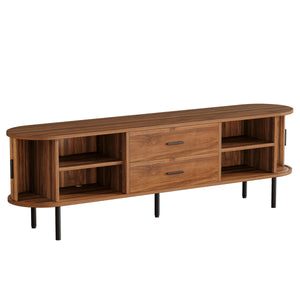
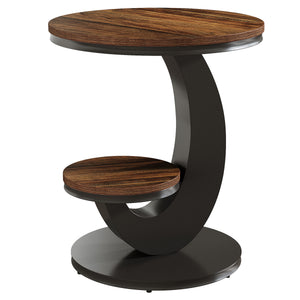

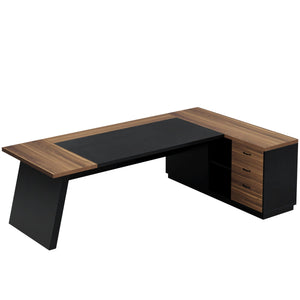
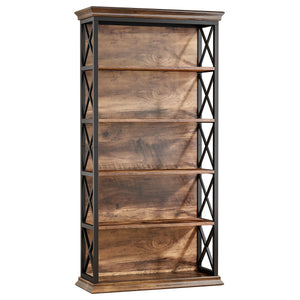

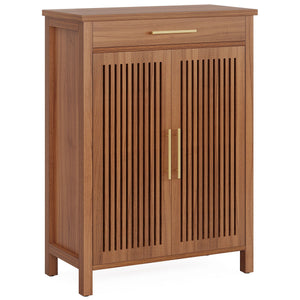

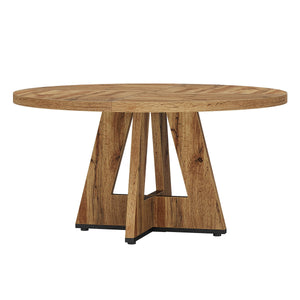
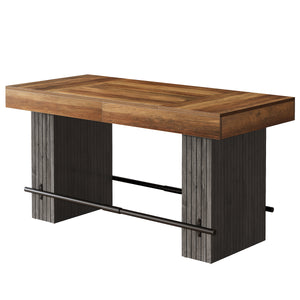
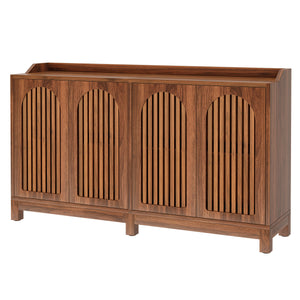
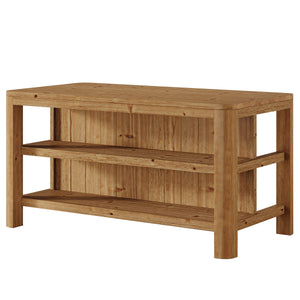
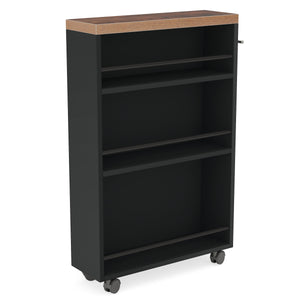
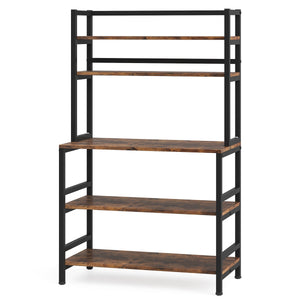
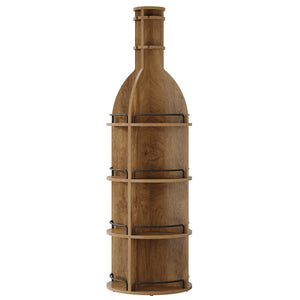

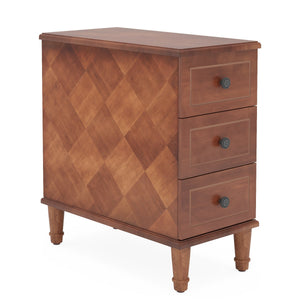
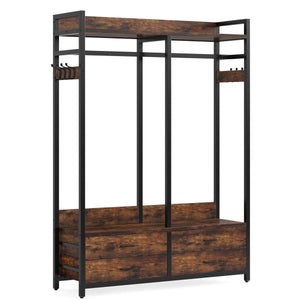
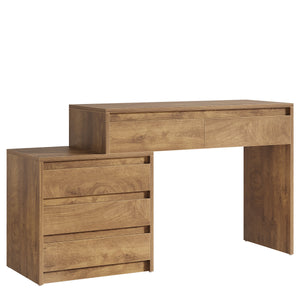
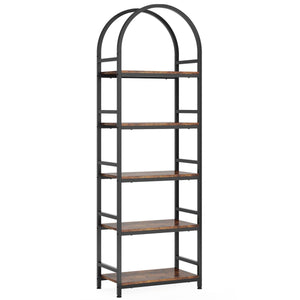
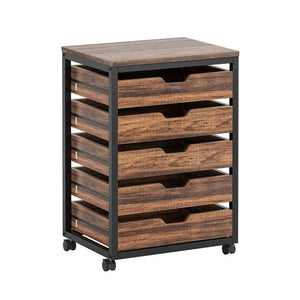
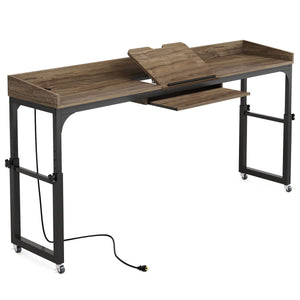
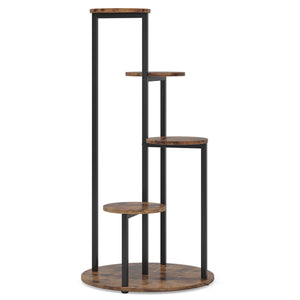
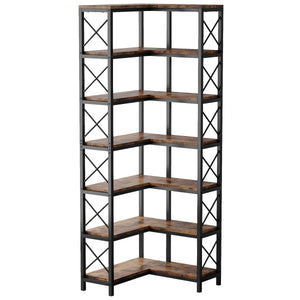




The Golden Rules for Mixing and Matching
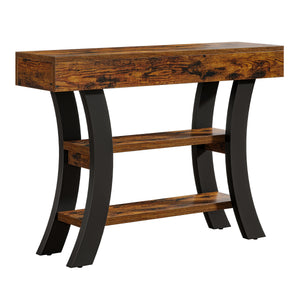
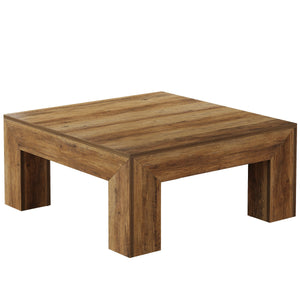
Mixing isn't a license to be messy. To make mismatched tables look like a deliberate choice rather than a collection of yard-sale leftovers, you need to follow three non-negotiable principles:

Rule 1: Height is King
The most common mistake isn't a style clash—it's a height disaster. Your end tables should sit within 2 inches of your sofa's arm height. If one table is a low-slung stone block and the other is a tall bistro table, the room will feel physically lopsided. Consistent height provides the "horizontal line" your brain needs to feel the room is organized.
Rule 2: Balance the Visual Weight
Think of your living room as a scale. If you have a chunky, dark wood chest on the left side of your sofa, don't balance it with a tiny, spindly wire stool on the right. You want the visual volume to be similar. If one piece is "heavy," ensure the other has enough presence—through color, width, or a solid base—to hold its own.
Rule 3: Find a Common Thread
Every successful mix needs a "bridge." This is the element that ties the two pieces together. It could be the same wood species, a shared metal finish (like brushed brass), or even a similar leg style. If the tables have nothing in common, they will look like strangers; if they share one trait, they look like cousins.
3 Pro-Styling Strategies for a Cohesive Look
Strategy A:
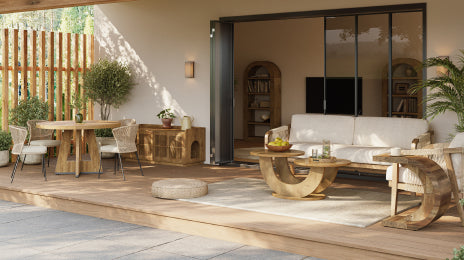
Same Style, Different Shapes. If you love Mid-Century Modern, try one round walnut table and one square walnut table. The shared "DNA" of the wood and the era creates harmony, while the different silhouettes keep the eye moving.
Strategy B:
Same Material, Different Eras. Try pairing a rustic, antique oak pedestal with a sleek, ultra-minimalist oak cube. The shared material creates a bridge across time, making the room feel "collected" rather than "decorated."
Strategy C:
Using Decor to Unite. This is the designer's "cheat code." Place a pair of identical, high-quality lamps on two completely different tables. The symmetry of the lamps acts as a visual anchor, tricking the eye into seeing a cohesive pair.

Visual Flow vs. Symmetry
Professional designers like Button and Mays emphasize that while mismatching is encouraged, it shouldn't create "visual speed bumps." As Mays perfectly puts it, “You want the eye to move softly across a room without stopping.” If two tables are so drastically different that they pull focus away from the overall design, the experiment has gone too far.
To achieve this seamless flow, consider the "Material Anchor" strategy. Even if the designs vary wildly—say, a pedestal table versus a four-legged stand—using the same wood species or finish creates an invisible thread of continuity. This allows the pieces to relate to one another without being identical twins.
Despite the trend toward the eclectic, symmetry hasn't lost its architectural value. There are two specific scenarios where matching end tables are actually the superior choice:
- High-End Formalism: In formal sitting rooms or ultra-minimalist bedrooms, matching sets provide a sense of calm and intentional order that mismatched pieces can’t replicate.
- The "Visual Quiet Zone": If your room is already alive with bold patterns, vibrant art, or a maximalist rug, matching tables act as a grounding force. In a space that feels "loud," identical tables provide a necessary spot for the eye to rest, preventing the room from feeling overwhelming or chaotic.

FAQ
How different is "too different" when it comes to height?
Stick to the 2-inch rule. Your end tables don't need to be identical, but they should be within 2 inches of your sofa’s arm height. If one is a low-slung stone block and the other is a tall bistro table, the room will feel lopsided and uncomfortable to use.
Can I mix wood tones, or will it look like a mess?
You can, but you need a "bridge." If you have a dark walnut coffee table, don't just throw in a light oak end table. Aim for a common undertone (either both warm or both cool). A good rule of thumb: keep the wood species different but the visual weight similar.
Should my lamps match if the tables don’t?
Yes—this is the "cheat code" for mismatched tables. Using a pair of identical lamps on two different tables is the fastest way to create intentional symmetry. It tells the eye, "these pieces belong together," even if their shapes are completely different.
Do the end table and coffee table have to match?
Absolutely not. In fact, matching all three is a major design faux pas in 2026. If your coffee table is a heavy rectangular wood piece, try a round metal or glass end table to break up the lines.
Do people still use end tables in living room?
Absolutely, but their role has evolved. While they aren't always used in "pairs" anymore, end tables remain a living room essential for functionality and layering. In a world of smartphones and coffee culture, people still need a dedicated surface for drinks, charging docks, and ambient lighting.