


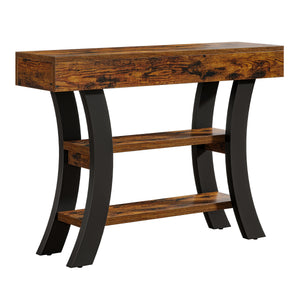
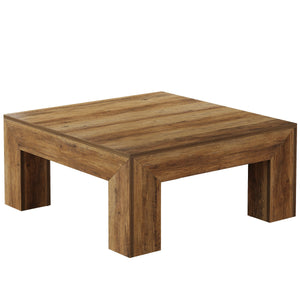
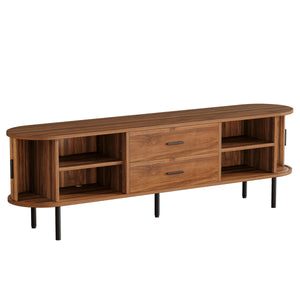
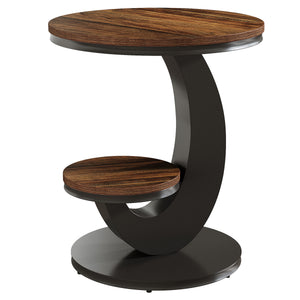

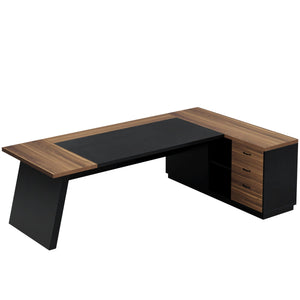
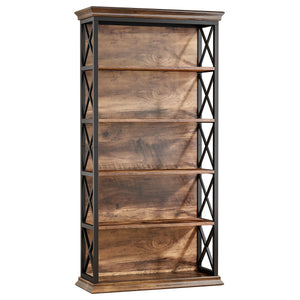
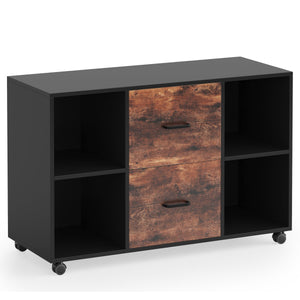
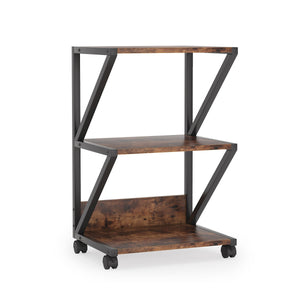


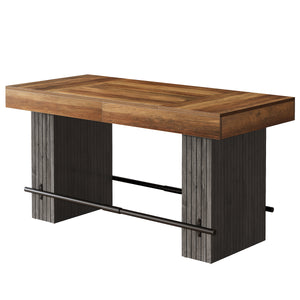
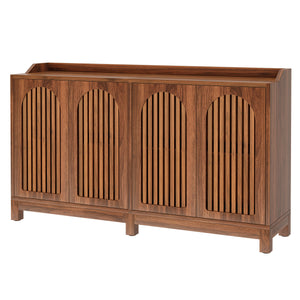
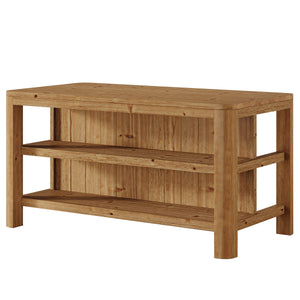
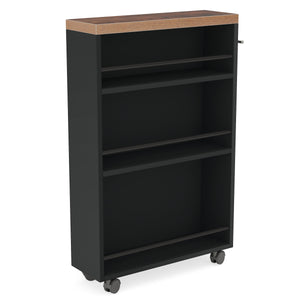


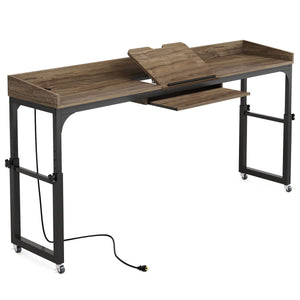
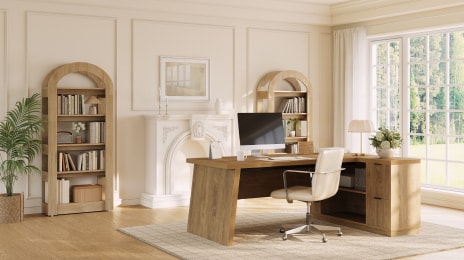




A writing desk is a simple, streamlined desk designed for reading, writing, studying, and light laptop use. The right writing desk depends on how you use your space every day. Room size, storage needs, work style, and the amount of surface space you need all play a role in finding the best fit.
In this guide, we’ll break down the key differences between desk types and help you compare size, layout, materials, and features so you can choose a writing desk that works beautifully in your home and supports your daily routine.
Where Will the Desk Go?
Start with the room. A writing desk should feel easy in the space—not too big, not too office-like, and not awkward with the rest of your furniture.
In a home office or study, it can be a simple spot for reading, writing, and everyday laptop work. In a living room, it works best when it blends in, whether placed behind a sofa, along a wall, or near a window. In a bedroom, a desk makes sense as long as it does not crowd the bed area or interrupt the flow of the room.
For smaller apartments or multipurpose spaces, a slimmer desk with a little storage usually works best. If you are short on space, it also helps to choose a piece that can do double duty, like a desk that can pass as a console or vanity. And if you have an underused corner, that can be one of the easiest ways to carve out a workspace without taking over the room.

How to Choose the Right Desk Size
Choosing the right desk size comes down to how you plan to use it and how much space your room can comfortably give up. The goal is to find a desk that feels practical without making the room feel crowded.
Best Desk Widths By Use Case
A 40" to 43" desk works well for small spaces, light writing, and occasional laptop use. A 47" to 55" desk is the most versatile option for everyday use and fits most homes well. A 63"+ desk is better for dual monitors, shared workstations, or anyone who needs more surface space.
Best Desk Depth
A depth of 18" to 20" is a good fit for compact rooms and lighter tasks. 21" to 24" works best for everyday writing and laptop use. If you use larger monitors or keep more accessories on the desk, 24"+ may be the better choice.
Standard Desk Height
Most writing desks are around 28" to 30" high, with 29" being a common standard. The right height should work with your chair, leave enough legroom, and let your arms rest comfortably while writing or typing.
Clearance Around the Desk
Make sure there is enough room to pull out your chair and move around easily. In bedrooms and smaller rooms, the desk should not block walkways or make the layout feel tight.
Features to Look For in a Writing Desk
Once you know the right size, focus on the features that match your space and daily routine. The best writing desk is not the one with the most extras—it is the one that fits the way you actually use it.
Drawers or Open Design
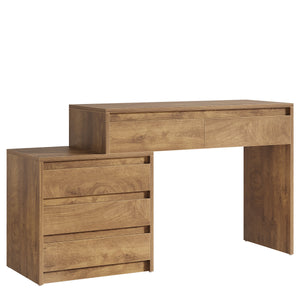
Drawers help keep pens, notebooks, chargers, and small items out of sight. An open design feels lighter and works well in smaller rooms or more minimalist spaces.
Hutch or Shelves
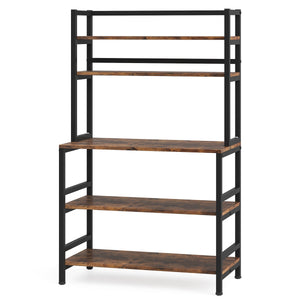
Built-in shelves or a hutch add vertical storage without taking up much more floor space. This is a smart option for smaller homes, student rooms, or anyone who wants extra organization.
Read more: The Benefits of a Desk with Hutch
Reversible or Corner Layout
A reversible or corner desk gives you more flexibility with room layout. It is especially useful for making the most of underused corners or tight floor plans.
Material and Finish
Engineered wood is a popular choice for everyday durability and value. Finish also affects the overall look, whether you prefer modern, rustic, industrial, or farmhouse style.
Stability and Weight Capacity
A writing desk should feel sturdy enough for daily use. This matters even more if you plan to use monitors, store books, or keep heavier items on the desk.
How to Match a Writing Desk to Your Home Style
A writing desk should do more than fit your space—it should also look right in the room. The best choice is one that works with your existing furniture, finishes, and overall style.
Modern and Minimalist
A modern or minimalist writing desk usually has clean lines, simple shapes, and a lighter visual footprint. This style works especially well in home offices, bedrooms, and apartments where you want the space to feel open and uncluttered. Pair it with a streamlined desk chair, a simple table lamp, and a small filing cabinet or floating shelves for extra storage.
Rustic or Industrial
Rustic and industrial desks often feature wood-look surfaces, darker finishes, and metal frames. They add warmth and character while still feeling practical for everyday use. This style fits well in living rooms, home offices, and multipurpose spaces. It pairs nicely with a leather or mesh office chair, open shelving, and metal or wood storage pieces.
Farmhouse
A farmhouse-style writing desk brings a softer, more relaxed look to the room. It often works well in bedrooms, casual home offices, and family spaces where you want the desk to feel welcoming rather than overly work-focused. Match it with an upholstered chair, woven baskets, and simple storage cabinets or bookcases for a more comfortable, lived-in feel.
Small-Space and Multifunctional
For smaller homes, the best style is often one that feels versatile and easy to blend in. A compact writing desk with a simple shape, built-in storage, or a multifunctional design works well in apartments, bedrooms, and shared spaces. Pair it with a slim chair or stool, wall shelves, and storage baskets to keep the setup practical without making the room feel crowded.
What's The Difference Between A Writing Desk And A Computer Desk?
A writing desk and a computer desk may seem interchangeable, but they create very different kinds of workspaces. A writing desk usually feels lighter, cleaner, and easier to blend into the home. It is designed for simple daily tasks like writing, reading, planning, studying, or working on a laptop. A computer desk is more geared toward a full workstation, with extra room for screens, accessories, and all the equipment that comes with a more demanding setup.
Surface Space
A writing desk is usually just enough desk. It gives you space for the essentials without overwhelming the room, which is part of what makes it so appealing in bedrooms, living rooms, and smaller home offices. A computer desk tends to offer a larger work surface, which is more useful if your setup includes multiple monitors, extra devices, or anything that needs a more permanent place.
Storage and Shelving
In general, writing desks are more pared back. Some include a small drawer or two, but many keep the design open and uncluttered. That simplicity makes them easier to style and easier to live with, especially in spaces where the desk is visible all day. Computer desks usually lean more practical, with added shelving, keyboard trays, monitor stands, or storage built in to support a busier setup.
Cable and Equipment Support
This is where the difference becomes more obvious. If you mostly work with a laptop, a charger, and a few everyday items, a writing desk is often more than enough. But if you rely on monitors, speakers, a docking station, or a tangle of cables, a computer desk will usually handle that setup more comfortably. It is built with a more equipment-heavy workspace in mind.
Best Use Cases
A writing desk works best when you want your workspace to feel simple and integrated into the rest of your home. It is a good choice for light remote work, studying, journaling, reading, and everyday tasks that do not require a lot of gear. A computer desk makes more sense when your desk is the center of your workday and needs to support longer hours, more equipment, and a more technical setup.
People also ask these questions
How Much Should a Simple Writing Table Cost?
If you are looking to buy a new writing desk for bed, the prices range from $200 to $1,200 depending on the materials, features, and style you choose.
How To Choose A Computer Table For Students?
Choose a computer table that fits the student’s room, study habits, and storage needs. It should provide enough space for a laptop, books, and daily essentials, while still feeling comfortable in the room. Drawers or shelves can help keep school supplies organized, and a sturdy, properly sized desk will make everyday studying more comfortable.

